Some links below are affiliate links. We earn a commission on purchases at no extra cost to you. Although our opinions are based on curated research, we haven't used these products. Article generated with AI.

How Stress Contributes to Inflammation and What You Can Do
Stress triggers your body’s “fight or flight” response, releasing hormones that can lead to chronic inflammation if left unchecked. This ongoing inflammation can affect your heart, joints, and even your brain. You might notice signs like fatigue, body aches, and digestive issues. But don’t worry! You can break this cycle by adopting stress-reduction techniques and making anti-inflammatory lifestyle changes. Deep breathing, mindfulness meditation, and regular exercise are great ways to manage stress. Eating a diet rich in colorful fruits and vegetables, getting enough sleep, and limiting exposure to toxins can help reduce inflammation. There’s so much you can do to take control of your health and well-being!
Table of Contents
hide
Key Takeaways
- Chronic stress activates the “fight or flight” response, leading to an overactive immune system and increased inflammation.
- Stress-induced cortisol release disrupts sleep and alters eating habits, exacerbating inflammation in the body.
- Persistent stress can cause digestive issues, muscle tension, and mood changes, all of which contribute to systemic inflammation.
- Practicing stress-reduction techniques like deep breathing, mindfulness meditation, and regular exercise can help manage inflammation.
- Adopting an anti-inflammatory lifestyle with a nutrient-rich diet and adequate sleep can counteract stress-induced inflammation.
The Stress-Inflammation Connection

While stress is often viewed as a purely psychological phenomenon, it actually has profound effects on our physical health, particularly through its connection to inflammation. When you’re stressed, your body releases hormones like cortisol and adrenaline, which trigger your “fight or flight” response. This response is helpful in short bursts, but when it’s constantly activated, it can lead to chronic inflammation.
Your immune system, which normally fights off infections, can become overactive due to stress. This overactivity causes inflammation throughout your body, affecting your heart, blood vessels, and even your brain. It’s like your body is always on high alert, even when there’s no immediate threat.
Chronic stress can also disrupt your sleep patterns, change your eating habits, and reduce your exercise levels. These lifestyle changes further contribute to inflammation. You might notice symptoms like fatigue, body aches, or mood swings.
It’s important to recognize these signs and take steps to manage your stress. Remember, you’re not alone in this struggle, and there are many effective ways to reduce stress and inflammation in your life.
Chronic Stress and Your Body

Your body bears the brunt of chronic stress, with far-reaching effects that can impact nearly every system. When you’re constantly under pressure, your heart rate increases, your blood pressure rises, and your muscles tense up. This ongoing state of alertness takes a toll on your body over time.
Your digestive system may suffer, leading to stomachaches, nausea, or changes in appetite. You might find it harder to fall asleep or stay asleep, leaving you feeling exhausted during the day. Your immune system can weaken, making you more susceptible to colds and infections.
Chronic stress can also affect your mood and mental health. You may feel anxious, irritable, or overwhelmed more often. It’s not uncommon to experience difficulty concentrating or making decisions. Remember, these reactions are your body’s way of trying to cope with ongoing stress.
While these effects may sound intimidating, there’s hope. By recognizing how stress impacts your body, you’re taking the first step towards better health.
With the right tools and support, you can learn to manage stress and reduce its harmful effects on your body and mind.
Inflammation’s Impact on Health

Beyond its role in fighting infection, inflammation can have a significant impact on your overall health when it becomes chronic.
It’s like your body’s alarm system gets stuck in the “on” position, constantly sending out signals that something’s wrong. This ongoing inflammation can lead to a variety of health issues, affecting different parts of your body.
You might experience problems with your heart, as inflammation can contribute to the buildup of plaque in your arteries.
Your joints can also suffer, becoming stiff and painful, which is a common sign of arthritis.
Chronic inflammation may even affect your brain, potentially increasing your risk of conditions like Alzheimer’s disease.
But don’t worry, there’s hope!
Understanding how inflammation impacts your health is the first step in taking control.
By making positive lifestyle changes, like improving your diet and managing stress, you can help reduce inflammation in your body.
Remember, small steps can lead to big improvements in your overall well-being.
You have the power to make a difference in your health, and every effort counts!
Recognizing Signs of Chronic Inflammation
Recognizing chronic inflammation in your body can be tricky, as the signs aren’t always obvious. However, there are some common symptoms you can look out for. You might notice persistent fatigue, even after a good night’s sleep, or unexplained aches and pains that don’t seem to go away.
Digestive issues, like bloating or constipation, can also be signs of inflammation. Pay attention to your skin, too. Chronic inflammation can lead to rashes, redness, or even acne flare-ups. You might also find yourself catching colds more often, as inflammation can weaken your immune system.
Mood changes, such as feeling anxious or depressed, can be linked to inflammation as well. Don’t ignore these signs if they persist. While they don’t always mean you have chronic inflammation, it’s important to listen to your body.
If you’re concerned, talk to your doctor about your symptoms. They can help determine if inflammation is the cause and guide you toward appropriate treatment options. Remember, recognizing these signs early can make a big difference in managing your health and well-being.
Stress-Reduction Techniques

With stress being a major contributor to inflammation, it’s essential to incorporate effective stress-reduction techniques into your daily routine.
You’ll find that these methods can help you feel more relaxed, centered, and in control of your well-being. It’s important to keep in mind that what works for one person mightn’t work for another, so don’t be discouraged if you need to try a few different approaches.
Here are some proven stress-reduction techniques you can start with:
- Deep breathing exercises: Take slow, deliberate breaths, focusing on inhaling deeply and exhaling fully.
- Mindfulness meditation: Set aside time each day to sit quietly and observe your thoughts without judgment.
- Regular physical activity: Engage in exercise you enjoy, whether it’s walking, swimming, or dancing.
- Progressive muscle relaxation: Systematically tense and relax different muscle groups to release physical tension.
Anti-Inflammatory Lifestyle Changes

Adopting anti-inflammatory lifestyle changes can significantly reduce your body’s overall inflammation levels and improve your health. You’ll be amazed at how small adjustments can make a big difference in how you feel.
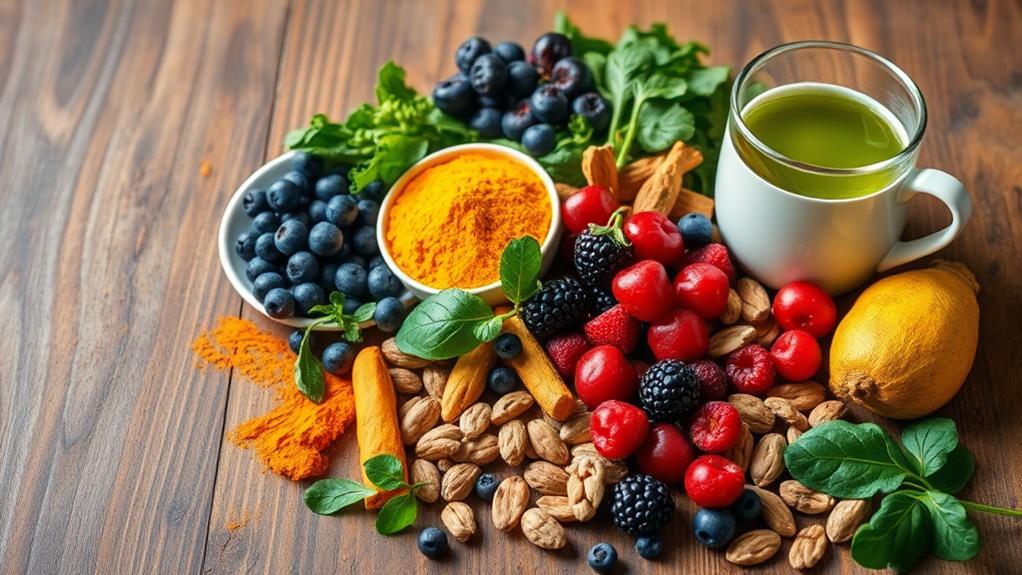
Start by focusing on your diet, which plays an essential role in managing inflammation. Incorporate more colorful fruits and vegetables, rich in antioxidants, into your meals. Omega-3 fatty acids, found in fish like salmon and sardines, are also fantastic for fighting inflammation.
Don’t forget about the importance of regular exercise. Even moderate activities like brisk walking or swimming can help reduce inflammation throughout your body.
It’s also vital to prioritize sleep, aiming for 7-9 hours each night. Your body uses this time to repair and regulate inflammation levels.
Lastly, consider limiting your exposure to environmental toxins. This includes reducing your use of plastics, choosing natural cleaning products, and avoiding excessive alcohol consumption.
Frequently Asked Questions
Can Certain Foods Help Reduce Stress-Induced Inflammation?
Yes, certain foods can definitely help reduce stress-induced inflammation!
You’ll be happy to know that you can eat your way to better health. Foods rich in omega-3 fatty acids, like salmon and walnuts, are great choices.
Don’t forget colorful fruits and veggies, packed with antioxidants. Green tea, turmeric, and ginger are also fantastic inflammation fighters.
How Long Does It Take to Reverse Chronic Inflammation Through Lifestyle Changes?
Picture your body as a garden: reversing chronic inflammation is like nurturing it back to health.
It’s not an overnight process, but don’t lose heart! You’ll likely start feeling better within a few weeks of making lifestyle changes.
However, it can take 3-6 months to see significant improvements. Remember, everyone’s journey is unique.
Stay consistent with your healthy habits, and you’ll gradually bloom into a healthier, less inflamed version of yourself.
Keep going, you’ve got this!
Are There Specific Blood Tests to Measure Inflammation Levels in the Body?
Yes, there are specific blood tests to measure inflammation in your body!
The most common one is called C-reactive protein (CRP), which can show overall inflammation levels.
Your doctor might also check for erythrocyte sedimentation rate (ESR) or interleukin-6 (IL-6).
These tests can give you and your healthcare provider valuable insights into your health.
Can Stress-Related Inflammation Affect Fertility or Reproductive Health?
Picture your body as a delicate garden, where stress can be like a harsh frost. Yes, stress-related inflammation can indeed affect your fertility and reproductive health.
It’s like a domino effect: stress triggers inflammation, which can disrupt hormone balance and impact your reproductive system. You might experience irregular periods, reduced egg quality, or even difficulty conceiving.
But don’t worry! There’s hope. By managing stress through relaxation techniques, exercise, and a healthy lifestyle, you can nurture your body’s natural balance and boost your reproductive health.
Do Genetics Play a Role in How Stress Impacts Inflammation in Individuals?
Absolutely, your genes play a big role in how stress affects inflammation in your body!
You’ve inherited a unique set of genes that can make you more or less sensitive to stress. These genes influence how your body responds to stressful situations, including how much inflammation it produces.
Some people’s genetic makeup might make them more prone to inflammation when stressed, while others may be more resilient.
Understanding your genetic predisposition can help you manage stress and inflammation more effectively.