Some links below are affiliate links. We earn a commission on purchases at no extra cost to you. Although our opinions are based on curated research, we haven't used these products. Article generated with AI.


The Link Between Inflammation and Chronic Diseases
Chronic inflammation is like a slow-burning fire in your body, damaging cells and tissues over time. It’s linked to many chronic diseases, including heart disease, diabetes, cancer, and autoimmune disorders. Your lifestyle choices play a big role in managing inflammation. Eating anti-inflammatory foods, like fruits and vegetables, can help cool the fire. Regular exercise and stress management are also key to keeping inflammation in check. While some inflammation is natural and helpful, too much can lead to serious health problems. By understanding this connection, you’re taking an important step towards better health. There’s so much more to discover about taming the flames of inflammation.
Table of Contents
hide
Key Takeaways
- Chronic inflammation can damage cells and tissues, contributing to various long-term health conditions.
- Inflammatory processes play a significant role in cardiovascular diseases, diabetes, and cancer development.
- Autoimmune disorders involve persistent inflammation, leading to the immune system attacking healthy tissues.
- Neuroinflammation impacts brain health and cognitive function, potentially contributing to neurological diseases.
- Lifestyle factors, including diet, exercise, and stress management, significantly influence inflammation levels in the body.
Understanding Chronic Inflammation

In recent years, chronic inflammation has emerged as a key player in numerous health issues. You’ve probably heard the term before, but what does it really mean for your body?
Chronic inflammation is like a slow-burning fire inside you, quietly damaging your cells and tissues over time. Unlike acute inflammation, which helps your body heal from injuries, chronic inflammation persists long after it’s needed.
Your body’s immune system, usually your protector, can sometimes get stuck in “attack mode.” This ongoing inflammatory response can affect various parts of your body, from your heart to your joints.
It’s not always easy to spot, as symptoms can be subtle and develop gradually. You might experience fatigue, body pain, or digestive issues without realizing inflammation is the culprit.
The good news is that you’re not helpless against chronic inflammation. By understanding what triggers it, you can take steps to reduce its impact on your health.
Simple lifestyle changes, like improving your diet and managing stress, can make a big difference. Remember, your body has amazing healing powers, and with the right knowledge, you can support its natural balance.
Cardiovascular Disease and Inflammation

In regard to heart health, inflammation plays a more significant role than you might think. Your cardiovascular system, which includes your heart and blood vessels, can be deeply affected by chronic inflammation. When inflammation persists in your body, it can damage the inner lining of your blood vessels, leading to a buildup of plaque. This plaque narrows your arteries, making it harder for blood to flow freely.
You’ll be glad to know that there are steps you can take to reduce inflammation and protect your heart. A heart-healthy diet, rich in fruits, vegetables, and omega-3 fatty acids, can help combat inflammation.
Regular exercise is also vital, as it strengthens your heart and reduces inflammatory markers in your blood.
Don’t forget about stress management, too. Chronic stress can fuel inflammation, so finding ways to relax and unwind is essential. Whether it’s through meditation, deep breathing, or spending time with loved ones, these activities can make a real difference in your heart health.
Diabetes: An Inflammatory Condition

You might be surprised to learn that diabetes is closely linked to inflammation. When your body’s inflammatory response goes into overdrive, it can wreak havoc on your insulin-producing cells and lead to insulin resistance. This means your body struggles to process glucose effectively, which is the hallmark of diabetes.
Don’t worry, though! Understanding this connection can help you take steps to manage your health better.
By focusing on anti-inflammatory habits, you’re not just tackling diabetes – you’re supporting your overall well-being. Try incorporating more colorful fruits and vegetables into your diet, as they’re packed with antioxidants that fight inflammation.
Regular exercise is another powerful tool, helping to reduce inflammation throughout your body.
Cancer’s Inflammatory Connection

Three key ways inflammation is linked to cancer might surprise you.
First, chronic inflammation can damage your DNA, leading to mutations that may trigger cancer growth. It’s like a constant irritation that slowly wears down your body’s defenses.
Second, inflammation creates an environment where cancer cells thrive. It’s as if the inflammation is setting the stage for cancer to take hold and spread more easily.
Third, inflammatory cells can release chemicals that speed up tumor growth. Think of it as adding fuel to a fire that’s already burning.
You’re not powerless against this connection, though. There’s so much you can do to reduce inflammation in your body.
Eating a diet rich in fruits, vegetables, and omega-3 fatty acids is a great start. Regular exercise, managing stress, and getting enough sleep also play significant roles.
By taking these steps, you’re not just fighting inflammation – you’re potentially reducing your cancer risk too.
Autoimmune Disorders and Inflammation

While cancer and inflammation share a troubling relationship, autoimmune disorders represent another serious health concern linked to inflammation. In these conditions, your immune system mistakenly attacks your own body, causing widespread inflammation and damage. You might be familiar with some common autoimmune disorders, like rheumatoid arthritis, lupus, or multiple sclerosis.
When you’re dealing with an autoimmune disorder, your body’s inflammatory response goes into overdrive. Instead of protecting you, it starts harming healthy tissues and organs. This can lead to a range of symptoms, from joint pain and fatigue to more severe complications.
But don’t lose hope! There are ways to manage these conditions and reduce inflammation. Your doctor can help you develop a treatment plan that may include medications, lifestyle changes, and stress management techniques.
Eating a balanced diet, getting regular exercise, and prioritizing sleep can all make a big difference. Remember, you’re not alone in this journey. Many people with autoimmune disorders lead fulfilling lives by working closely with their healthcare team and taking proactive steps to manage their condition.
Neuroinflammation and Brain Health

Our brains aren’t immune to the effects of inflammation. When your brain experiences ongoing inflammation, it’s called neuroinflammation. This condition can have serious impacts on your brain health and overall well-being.
You mightn’t realize it, but neuroinflammation can lead to various cognitive issues and even contribute to the development of neurological diseases.
Don’t worry, though! There are ways you can protect your brain and reduce neuroinflammation. Here are three key steps you can take:
- Eat an anti-inflammatory diet rich in fruits, vegetables, and omega-3 fatty acids
- Get regular exercise to boost brain health and reduce inflammation
- Manage stress through relaxation techniques like meditation or deep breathing
Gut Inflammation and Digestive Issues
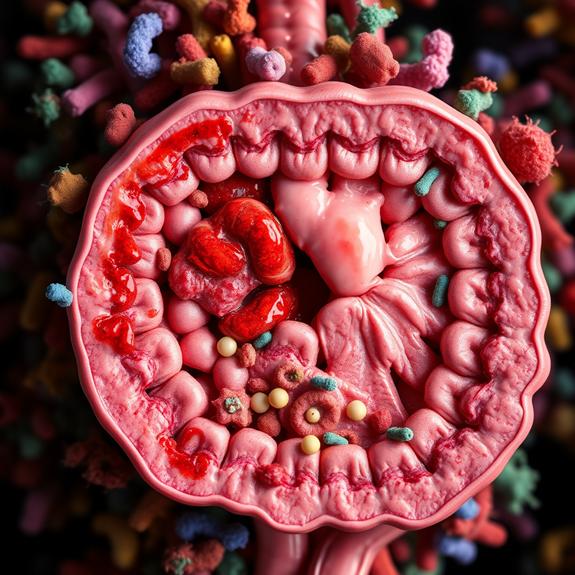
Frequently overlooked, gut inflammation plays an essential role in your overall health and can lead to numerous digestive issues. When your gut is inflamed, you might experience symptoms like bloating, abdominal pain, or changes in your bowel habits.
It’s important to understand that these aren’t just minor inconveniences, but signs that your body needs attention.
Your gut is home to trillions of bacteria, both good and bad. When the balance is disrupted, inflammation can occur, leading to conditions like irritable bowel syndrome, Crohn’s disease, or ulcerative colitis.
But don’t worry, there’s hope! By making simple changes to your diet and lifestyle, you can reduce gut inflammation and improve your digestive health.
Try incorporating anti-inflammatory foods like leafy greens, fatty fish, and fermented products into your meals. Reducing your intake of processed foods and sugar can also make a big difference.
Obesity: Fueling the Fire

Obesity isn’t just a matter of appearance; it’s a significant driver of inflammation in the body.
When you’re carrying extra weight, your fat cells don’t just sit there quietly. They’re actually quite active, releasing substances that can increase inflammation throughout your body.
This ongoing inflammation can lead to a variety of health issues, making it harder for you to feel your best.
The good news is that you can take steps to reduce inflammation and improve your health.
Here are three effective ways to start:
- Choose anti-inflammatory foods like fruits, vegetables, and whole grains
- Engage in regular physical activity, even if it’s just a daily walk
- Get enough sleep to help your body recover and reduce stress
Inflammation in Respiratory Diseases
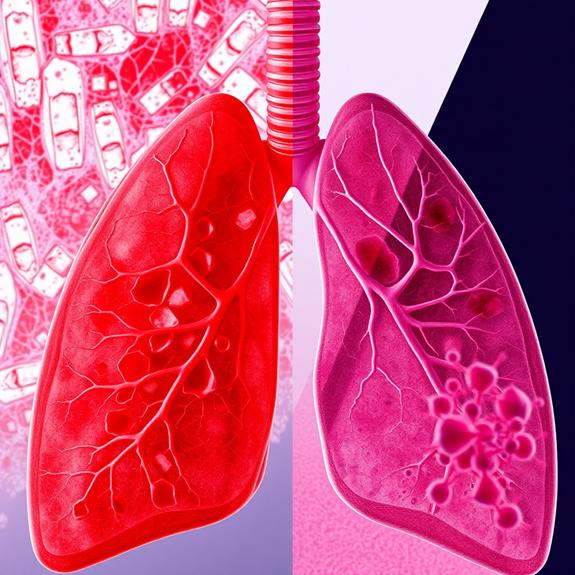
Respiratory health can be significantly impacted by inflammation. When your airways become inflamed, you might experience difficulty breathing, coughing, and chest tightness.
These symptoms are common in conditions like asthma and chronic obstructive pulmonary disease (COPD). It’s important to understand that inflammation in your lungs can be triggered by various factors, including allergens, pollutants, and infections.
You’re not alone if you’re dealing with respiratory inflammation. Many people face similar challenges, but there’s hope.
Lifestyle Factors Affecting Inflammation

Throughout your life, various lifestyle factors can significantly influence inflammation levels in your body. Your daily habits and choices play a vital role in managing inflammation, which is closely linked to many chronic diseases. By making mindful decisions, you’re taking an active step towards better health and well-being.
Diet is a key factor in controlling inflammation. You’ll want to focus on consuming anti-inflammatory foods like leafy greens, fatty fish, and berries. On the flip side, it’s best to limit processed foods, sugary drinks, and excessive red meat.
Exercise is another powerful tool in your arsenal against inflammation. Regular physical activity helps reduce inflammation markers in your body.
Stress management is just as significant. Here are three effective ways to combat stress-induced inflammation:
- Practice mindfulness or meditation daily
- Engage in relaxing hobbies you enjoy
- Prioritize quality sleep each night
Anti-Inflammatory Approaches and Treatments

A range of anti-inflammatory approaches and treatments can help manage chronic inflammation effectively. You’ll be glad to know that there are many options available to you, from natural remedies to medical interventions. Let’s examine some of these together!
Diet plays an essential role in fighting inflammation. You can start by incorporating more fruits, vegetables, and omega-3 rich foods into your meals. These nutrient-packed choices will nourish your body and help reduce inflammation.
Regular exercise is another powerful tool in your arsenal. Even moderate activities like walking or swimming can make a big difference in how you feel.
Stress management techniques, such as meditation and deep breathing exercises, can also help calm your body’s inflammatory response. Don’t forget about the importance of good sleep habits, too! Getting enough rest allows your body to repair and recover.
For more severe cases, your doctor might recommend anti-inflammatory medications or supplements. These can include over-the-counter options like ibuprofen or prescription drugs designed to target specific inflammatory pathways.
Frequently Asked Questions
Can Chronic Inflammation Be Inherited Genetically?
While you can’t inherit chronic inflammation directly, you can inherit genes that make you more susceptible to it.
It’s like having a key that opens the door to inflammation more easily. Your genes might affect how your body responds to stress, diet, or environmental factors.
But don’t worry! Even if you’ve got these genes, you’re not doomed. Your lifestyle choices play a huge role in managing inflammation.
You’ve got the power to make positive changes and keep your body healthy.
How Quickly Can Anti-Inflammatory Lifestyle Changes Show Noticeable Effects?
You’ll be thrilled to know that anti-inflammatory lifestyle changes can start showing effects quickly!
Within a few weeks, you might notice improvements in your energy levels, sleep quality, and mood. Some people even report reduced joint pain or better digestion in just days.
Remember, everyone’s body is different, so don’t get discouraged if it takes a bit longer. Stick with it, and you’ll likely see more significant changes in a few months.
Your body will thank you for your efforts!
Are There Specific Blood Tests to Measure Inflammation Levels Accurately?
Yes, there are specific blood tests that can measure inflammation levels in your body quite accurately.
You’ll want to ask your doctor about tests like C-reactive protein (CRP), erythrocyte sedimentation rate (ESR), and fibrinogen.
These tests can give you a good picture of what’s happening inside your body.
Don’t worry, they’re simple blood draws that won’t take long.
Your doctor can help interpret the results and guide you on next steps if needed.
Can Inflammation Cause Fertility Issues or Affect Pregnancy Outcomes?
You might be surprised to learn that inflammation can indeed affect your fertility and pregnancy.
It’s like your body’s trying to protect you, but sometimes it goes a bit overboard. Inflammation can interfere with egg quality, implantation, and even increase the risk of miscarriage.
During pregnancy, it might lead to complications like preterm birth or preeclampsia.
But don’t worry! There’s good news: managing inflammation through a healthy lifestyle can improve your chances of a successful pregnancy.
You’ve got this!
Is There a Connection Between Inflammation and Skin Aging or Dermatological Conditions?
Yes, there’s definitely a connection between inflammation and skin aging! When your body experiences chronic inflammation, it can break down collagen and elastin, which keep your skin looking youthful.
You might notice more wrinkles, sagging, and a dull complexion. Inflammation is also linked to skin conditions like acne, rosacea, and eczema.
The good news is, you can fight inflammation through a healthy diet, stress management, and proper skincare. Your skin will thank you for taking these steps!