Some links below are affiliate links. We earn a commission on purchases at no extra cost to you. Although our opinions are based on curated research, we haven't used these products. Article generated with AI.

Understanding Inflammation
Inflammation is your body’s natural defense against harm. When you’re injured or sick, your immune system sends white blood cells to protect and heal you. You might notice redness, swelling, warmth, or pain in the affected area. While short-term inflammation is helpful, chronic inflammation can lead to health issues. The good news is that you can manage inflammation through lifestyle choices. Eating anti-inflammatory foods, exercising regularly, managing stress, and getting enough sleep can all make a big difference. By understanding inflammation and taking steps to control it, you’re on the path to better overall health. There’s so much more to discover about keeping your body in balance.
Table of Contents
hide
Key Takeaways
- Inflammation is the body’s natural defense mechanism against harm, involving immune system activation and white blood cell deployment.
- Acute inflammation is a short-term response to injury or infection, while chronic inflammation can lead to long-term health issues.
- Common causes include injuries, infections, autoimmune diseases, poor lifestyle choices, and environmental factors.
- Symptoms of inflammation include redness, swelling, warmth, pain, and fatigue.
- Managing inflammation naturally involves a healthy diet, regular exercise, stress management techniques, and adequate sleep.
What Is Inflammation?

Inflammation kicks in as your body’s natural defense mechanism against harm. It’s like your body’s built-in security system, always on the lookout for potential threats. When you’re injured or exposed to harmful substances, your immune system springs into action, sending an army of white blood cells to the affected area.
You might notice redness, swelling, warmth, and sometimes pain at the site of inflammation. These signs are actually good news! They mean your body is working hard to protect and heal you. Think of it as your body’s way of saying, “I’ve got this!”
Inflammation isn’t always visible, though. It can happen inside your body too, fighting off infections or repairing damaged tissues.
While short-term inflammation is helpful, chronic inflammation can be a problem. It’s like your body’s alarm system getting stuck in the “on” position. This can lead to various health issues, so it’s important to maintain a healthy lifestyle to keep inflammation in check.
Acute vs. Chronic Inflammation

How long does inflammation stick around? Well, that’s where we need to talk about acute and chronic inflammation. They’re like two different sides of the same coin, each playing a unique role in your body’s defense system.
Acute inflammation is your body’s quick response to injury or infection. It’s like a superhero swooping in to save the day! You’ll notice redness, swelling, and maybe some pain, but it usually goes away within a few days or weeks. This type of inflammation is actually good for you, helping your body heal and protect itself.
On the other hand, chronic inflammation is like a party guest who just won’t leave. It can last for months or even years, and it’s not always easy to spot. Unlike acute inflammation, chronic inflammation isn’t helpful. It can lead to serious health problems if left unchecked.
Things like stress, poor diet, and lack of exercise can contribute to chronic inflammation. The good news is, you can take steps to manage it and improve your overall health.
Causes of Inflammation

Now that we’ve examined the types of inflammation, let’s look at what triggers them. Your body is incredibly smart, and it responds to various factors that can cause inflammation. One common cause is injuries, like cuts, bruises, or sprains. When you hurt yourself, your body quickly sends help to heal the area.
Infections are another big trigger. Whether it’s a virus, bacteria, or fungus, your immune system jumps into action to fight off these invaders. This protective response often leads to inflammation.
Sometimes, your own body can cause inflammation too. Autoimmune diseases, where your immune system mistakenly attacks healthy cells, can result in chronic inflammation.
Your lifestyle choices play a role as well. A diet high in processed foods, sugar, and unhealthy fats can contribute to inflammation. Stress, lack of sleep, and not exercising enough can also trigger inflammatory responses.
Environmental factors like pollution, chemicals, and even certain medications can cause inflammation in some people.
Symptoms and Health Consequences

Numerous signs and symptoms can indicate the presence of inflammation in your body. You might notice redness, swelling, or warmth in a specific area. These are your body’s natural responses to injury or infection. Pain and discomfort are also common, as inflamed tissues become more sensitive.
Sometimes, you’ll experience fatigue or a general feeling of being unwell. It’s your body’s way of telling you to slow down and heal.
If left unchecked, chronic inflammation can lead to serious health consequences. It’s linked to various conditions, including:
- Heart disease and stroke
- Diabetes and obesity
- Autoimmune disorders like rheumatoid arthritis
Don’t worry, though! There’s a lot you can do to manage inflammation. Eating a balanced diet, exercising regularly, and managing stress are great starting points.
Pay attention to your body’s signals and don’t hesitate to seek medical advice if you’re concerned. Remember, your body is incredibly resilient, and with the right care, you can help it heal and thrive.
Managing Inflammation Naturally

While managing inflammation naturally may seem challenging, you’ll find many effective strategies within your reach. Your diet plays a huge role in fighting inflammation.
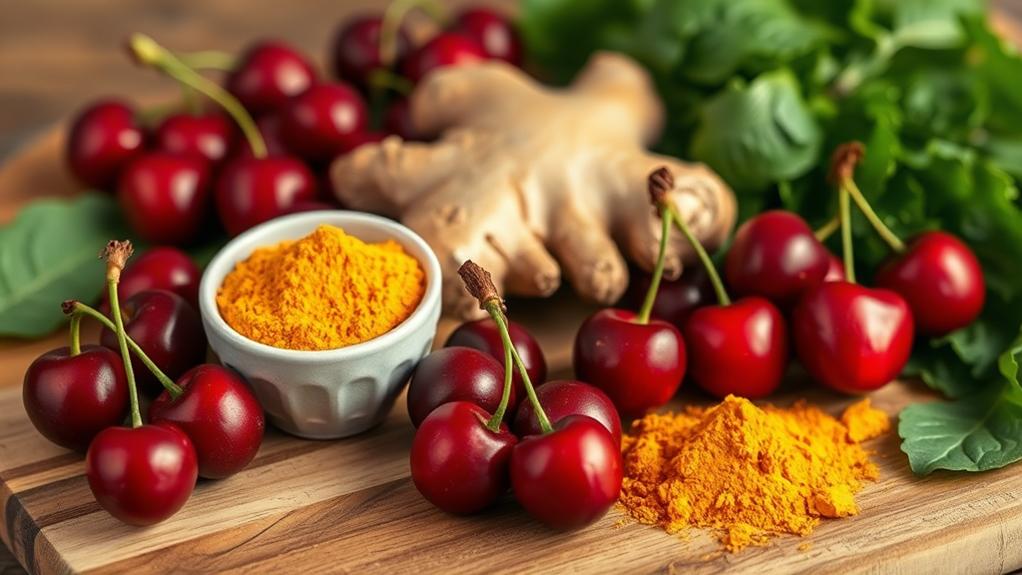
Try to include more anti-inflammatory foods like leafy greens, fatty fish, and berries in your meals. These foods are packed with nutrients that help calm your body’s inflammatory response.
Exercise is another powerful tool you can use. Regular physical activity, even in small amounts, can significantly reduce inflammation throughout your body.
You don’t need to run marathons; a brisk walk or gentle yoga session can make a big difference.
Stress management is just as significant. When you’re stressed, your body releases hormones that can increase inflammation.
Try incorporating relaxation techniques like deep breathing, meditation, or simply spending time in nature. These practices can help lower your stress levels and, in turn, reduce inflammation.
Don’t forget about sleep! Getting enough quality rest is essential for your body to repair and reduce inflammation.
Aim for 7-9 hours of sleep each night, and create a relaxing bedtime routine to improve your sleep quality.
Frequently Asked Questions
Can Inflammation Occur Without Any Visible Symptoms?
Did you know that up to 40% of people with chronic inflammation don’t show visible symptoms?
Yes, inflammation can occur without any obvious signs. Your body’s immune response can be working silently, fighting off threats or repairing damage.
While you mightn’t see redness or swelling, you could experience subtle changes like fatigue or mood shifts.
It’s important to listen to your body and pay attention to these less visible cues. Regular check-ups can help you stay on top of your health!
Is Inflammation Contagious or Can It Spread Between Individuals?
You don’t need to worry about inflammation spreading between people like a cold.
It’s not contagious in that way. However, certain conditions that cause inflammation, like infections, can be passed from person to person.
But the inflammation itself isn’t what’s spreading. It’s your body’s natural response to injury or illness.
How Does Age Affect the Body’s Inflammatory Response?
As you age, your body’s inflammatory response changes.
You’ll notice that it becomes more sensitive, often overreacting to minor triggers. Your immune system mightn’t work as efficiently, leading to longer-lasting inflammation.
Don’t worry, though! This is a normal part of aging. You might experience more aches and pains, and your body may take longer to heal.
But remember, staying active, eating well, and managing stress can help keep your inflammatory response in check.
Can Certain Medications Worsen Inflammation in Some People?
Imagine you’re like Sarah, who started a new blood pressure medication and noticed more joint pain.
Yes, certain medications can worsen inflammation in some people. It’s not uncommon, and you’re not alone if you’ve experienced this.
Your body might react differently to medicines, causing unexpected inflammation.
Don’t worry, though! If you notice any changes, talk to your doctor. They can help adjust your treatment, ensuring you’re comfortable and healthy.
Are There Genetic Factors That Predispose Individuals to Chronic Inflammation?
Yes, there are genetic factors that can make you more likely to experience chronic inflammation.
Your genes play a big role in how your body responds to stress and fights off infections. Some people inherit genes that make their immune system more reactive, leading to ongoing inflammation.
Don’t worry, though! Even if you have these genes, there’s a lot you can do to manage inflammation through lifestyle choices and working closely with your doctor.