Some links below are affiliate links. We earn a commission on purchases at no extra cost to you. Although our opinions are based on curated research, we haven't used these products. Article generated with AI.


Foods to Avoid If You’re Concerned About Inflammation
If you’re concerned about inflammation, it’s important to be mindful of certain foods. You’ll want to steer clear of refined sugar, trans fats, and processed meats, as these can trigger inflammatory responses in your body. Artificial sweeteners, excessive alcohol, and fast food are also culprits to watch out for. Canned soups, sodas, and sugary drinks often contain hidden inflammatory ingredients, while fried foods can introduce harmful compounds. By avoiding these foods, you’re taking a big step towards reducing inflammation and improving your overall health. There’s so much more to learn about making anti-inflammatory food choices that can benefit your well-being.
Table of Contents
hide
Key Takeaways
- Avoid refined sugars and artificial sweeteners, which can trigger inflammatory responses and disrupt gut bacteria.
- Limit trans fats found in fried foods and packaged baked goods, as they increase inflammation and health risks.
- Reduce consumption of processed meats like hot dogs and bacon, which are high in inflammatory saturated fats and preservatives.
- Minimize intake of refined carbohydrates, such as white bread and sugary cereals, which cause rapid blood sugar spikes.
- Consider reducing or eliminating dairy products, as they can be a significant source of inflammation for many individuals.
Refined Sugar

Refined sugar is a major culprit in relation to inflammation. It’s that sweet temptation that lurks in so many of our favorite treats, but it’s important to be aware of its effects on your body. When you consume refined sugar, your blood sugar levels spike quickly, triggering an inflammatory response. This can lead to a host of health issues, including joint pain, digestive problems, and even skin concerns.
You’ll find refined sugar hiding in many processed foods, from sodas and candies to seemingly healthy options like granola bars and flavored yogurts. It’s often listed under different names on ingredient labels, such as high fructose corn syrup, dextrose, or maltose.
By cutting back on these sugary culprits, you’re taking a big step towards reducing inflammation in your body.
Don’t worry, though! You don’t have to give up sweetness entirely. Instead, try swapping refined sugar for natural alternatives like whole fruits, honey, or maple syrup.
These options provide sweetness along with beneficial nutrients and fiber, which can help slow down sugar absorption and minimize inflammation.
Trans Fats

Out of all the inflammatory foods to watch out for, trans fats are among the worst offenders. These artificial fats are created through a process called hydrogenation, which turns liquid oils into solid fats.
They’re often used to extend the shelf life of processed foods, but they come at a steep cost to your health. Trans fats have been linked to increased inflammation throughout your body, raising your risk of heart disease, stroke, and type 2 diabetes.
You’ll want to be vigilant about avoiding trans fats in your diet. Here are some common sources to be aware of:
- Fried foods, especially from fast-food restaurants
- Packaged baked goods like cookies, cakes, and crackers
- Some types of margarine and vegetable shortening
- Frozen pizza and microwaveable meals
It’s important to read food labels carefully, as trans fats can hide under names like “partially hydrogenated oils.”
While it may seem challenging at first, cutting out trans fats can make a big difference in your overall health. Remember, every small step you take towards reducing inflammation is a victory for your well-being. You’ve got this!
Processed Meats

After trans fats, processed meats are next on the list of inflammatory foods to avoid.
You’ll want to steer clear of items like hot dogs, bacon, sausages, and deli meats. These popular foods might taste delicious, but they’re not doing your body any favors in terms of inflammation.
Processed meats are often high in saturated fats, which can trigger inflammatory responses in your body. They’re also packed with sodium and preservatives, which can further contribute to inflammation.
When you consume these meats regularly, you’re putting yourself at risk for various health issues, including heart disease and certain types of cancer.
Instead of reaching for that ham sandwich or pepperoni pizza, try opting for lean, unprocessed protein sources. Grilled chicken, fish, or plant-based alternatives can be just as satisfying without the inflammatory effects.
You don’t have to give up meat entirely, but choosing whole, unprocessed options will make a big difference in your overall health.
Artificial Sweeteners
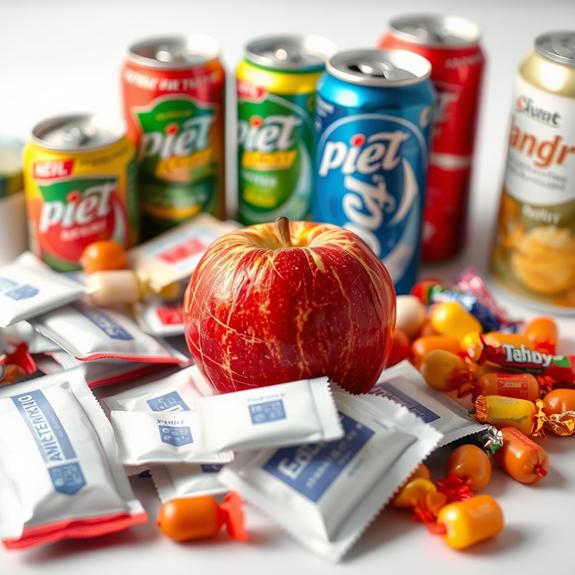
Despite their promise of guilt-free sweetness, artificial sweeteners can be a hidden source of inflammation in your diet. These sugar substitutes, often marketed as healthier alternatives, may actually be doing more harm than good.
While they’re low in calories, artificial sweeteners can disrupt your gut bacteria, leading to increased inflammation throughout your body. This imbalance can affect your overall health and well-being, making it harder for you to feel your best.
To help you steer clear of these inflammatory culprits, here’s a list of common artificial sweeteners to watch out for:
- Aspartame
- Sucralose
- Saccharin
- Acesulfame potassium
You don’t have to give up on sweetness altogether, though! There are natural alternatives that can satisfy your sweet tooth without triggering inflammation.
Try using small amounts of honey, maple syrup, or stevia as healthier options. Remember, it’s all about balance and making choices that support your body’s needs.
Excessive Alcohol

Excessive alcohol consumption can wreak havoc on your body’s inflammatory response. When you drink too much, your liver struggles to process the alcohol, leading to increased inflammation throughout your system.
This can affect your joints, gut, and even your brain, making you more susceptible to chronic health issues.
You don’t have to give up alcohol entirely, but moderation is key. Try limiting yourself to one drink a day for women or two for men.
When you do indulge, choose your drinks wisely. Red wine, in small amounts, may actually have some anti-inflammatory benefits due to its antioxidants.
However, sugary cocktails and beer can worsen inflammation.
Refined Carbohydrates

Refined carbohydrates are a major culprit in promoting inflammation throughout your body. These foods, often stripped of their nutrients and fiber, can cause rapid spikes in your blood sugar levels. When this happens, your body responds by releasing inflammatory compounds, which can lead to chronic inflammation over time.
It’s important to be mindful of these foods in your diet, as they’re often hidden in many processed products.
Here are some common refined carbohydrates to watch out for:
- White bread and pasta
- Sugary cereals and snacks
- Baked goods made with white flour
- Sodas and sweetened beverages
You don’t have to completely eliminate these foods, but it’s wise to limit them. Instead, opt for whole grain alternatives and complex carbohydrates.
These options provide more nutrients and fiber, which can help stabilize your blood sugar and reduce inflammation. Remember, small changes can make a big difference in your overall health.
Vegetable Oils
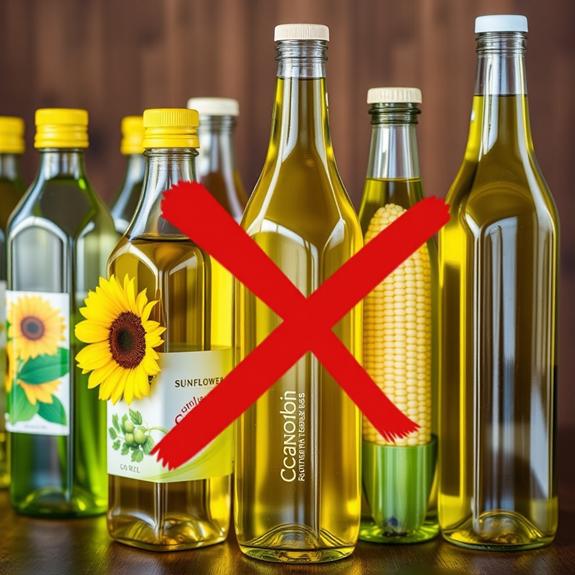
While often touted as healthy alternatives, many vegetable oils can actually contribute to inflammation in your body. These oils, like soybean, corn, and sunflower oil, are high in omega-6 fatty acids. While you need some omega-6s, too much can throw off your body’s balance and lead to inflammation.
You’ll want to be careful about cooking with these oils, especially at high temperatures. When heated, they can produce harmful compounds that further increase inflammation. Instead, try using oils that are more stable when heated, like olive oil or coconut oil. These healthier options can help keep inflammation at bay.
It’s not just about cooking, though. Many processed foods contain these inflammatory oils, so it’s important to read labels carefully. Look for foods that use healthier fats instead. You might be surprised at how many products contain vegetable oils!
Dairy Products

For many people, dairy products can be a significant source of inflammation in the body. If you’re trying to reduce inflammation, you might want to take into account cutting back on or eliminating dairy from your diet.
While it’s true that dairy can provide important nutrients like calcium and protein, there are plenty of other ways to get these nutrients without the potential inflammatory effects.
Here are some dairy products you might want to avoid:
- Milk (especially whole milk)
- Cheese
- Yogurt
- Ice cream
It’s important to keep in mind that everyone’s body reacts differently to foods. You might find that certain dairy products don’t cause you any issues, while others do.
If you’re unsure, try keeping a food diary to track how you feel after eating different dairy products. This can help you identify which ones, if any, are causing problems for you.
Don’t worry if you love dairy and can’t imagine giving it up completely. There are many delicious dairy-free alternatives available now, from almond milk to cashew cheese.
You might be surprised at how much you enjoy these options!
Gluten
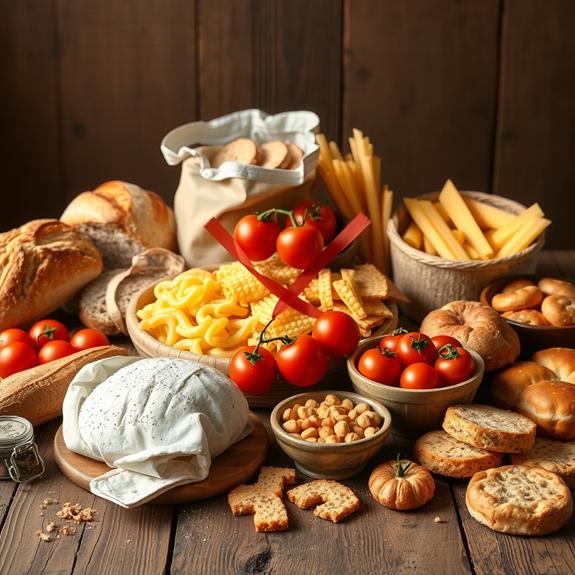
Gluten, a protein found in wheat, barley, and rye, is another potential inflammatory trigger for many people. If you’ve noticed digestive issues, fatigue, or joint pain after eating bread or pasta, you might be sensitive to gluten.
While not everyone needs to avoid it, many find that cutting back on gluten-containing foods can help reduce inflammation in their bodies.
You don’t have to feel overwhelmed by the idea of going gluten-free. There are plenty of delicious alternatives available nowadays.
Try swapping out wheat-based products for options like quinoa, rice, or gluten-free oats. You’ll find that many grocery stores now offer gluten-free versions of your favorite foods, from crackers to pizza crusts.
Nightshade Vegetables
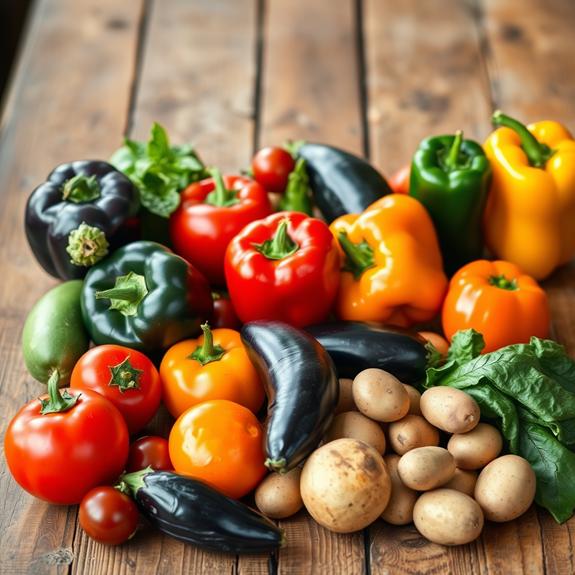
Nightshade vegetables, despite their colorful appearance and nutritional value, can be a surprising source of inflammation for some people. These plants belong to the Solanaceae family and include common favorites like tomatoes, potatoes, eggplants, and peppers.
While they’re packed with vitamins and minerals, they also contain compounds called alkaloids that may trigger inflammatory responses in sensitive individuals.
If you’re dealing with chronic inflammation or autoimmune conditions, you might want to contemplate limiting your intake of nightshades.
Here’s a list of common nightshade vegetables to watch out for:
- Tomatoes and tomato-based products
- Potatoes (except sweet potatoes)
- Bell peppers and hot peppers
- Eggplants
Don’t worry, though! There are plenty of other delicious and nutritious vegetables you can enjoy.
Try experimenting with leafy greens, cruciferous veggies, and root vegetables as alternatives.
Remember, everyone’s body responds differently to foods, so it’s essential to listen to your own.
If you suspect nightshades might be causing issues for you, try eliminating them for a few weeks and see how you feel.
You’ve got this, and your body will thank you for paying attention to its needs!
Fast Food

Lurking behind the convenience and tempting aromas of fast food lies a potential minefield for inflammation. You might be surprised to learn that your favorite drive-thru meals could be contributing to your body’s inflammatory response. Fast food often contains high levels of unhealthy fats, refined carbohydrates, and added sugars, all of which can trigger inflammation.
When you’re grabbing a quick burger or fries, you’re likely consuming trans fats and omega-6 fatty acids, which can upset the balance of fats in your body. These imbalances can lead to increased inflammation over time.
Additionally, the high sodium content in most fast food items can cause your body to retain water, potentially worsening inflammatory symptoms.
But don’t worry! You don’t have to give up convenience entirely. Instead, try to limit your fast food intake and opt for healthier alternatives when possible.
When you do indulge, choose grilled options over fried, and ask for extra veggies on your sandwich or burger. Remember, small changes can make a big difference in managing inflammation and improving your overall health.
Canned Soups
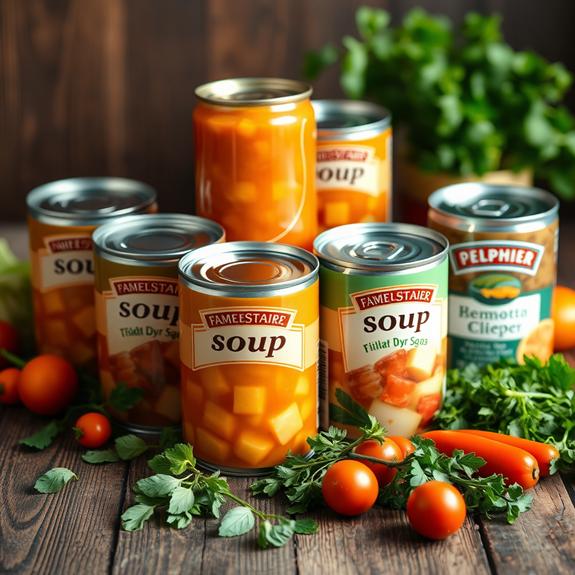
While fast food can be a quick fix for hunger, another convenient option that might be sabotaging your anti-inflammatory efforts is canned soup.
You might think you’re making a healthier choice by reaching for that can of soup, but it’s often packed with ingredients that can trigger inflammation in your body.
Here’s why you should be cautious about canned soups:
- They’re often high in sodium, which can lead to fluid retention and increased inflammation.
- Many contain preservatives and additives that your body may react negatively to.
- Some have hidden sugars that can spike your blood sugar levels.
- They may lack the fresh nutrients found in homemade soups.
Don’t worry, though! You don’t have to give up on the comfort of a warm bowl of soup.
Instead, try making your own at home using fresh ingredients. It’s easier than you might think, and you’ll have full control over what goes into your meal.
By choosing whole, natural ingredients, you’ll be nourishing your body and supporting its fight against inflammation.
Soda and Sugary Drinks

Soda and sugary drinks are major culprits regarding inflammation in the body. These beverages are often loaded with added sugars, which can cause your blood sugar to spike quickly. When this happens, your body releases inflammatory chemicals to help bring your blood sugar back down.
Over time, this constant up-and-down can lead to chronic inflammation, which isn’t good for your overall health.
You might be surprised to learn that it’s not just regular sodas that can cause problems. Even diet sodas and seemingly healthier options like fruit juices can contribute to inflammation. Many of these drinks contain artificial sweeteners or high amounts of natural sugars that can still trigger an inflammatory response in your body.
Instead of reaching for these sugary drinks, try opting for water, unsweetened tea, or sparkling water with a splash of fresh fruit juice. These alternatives can help you stay hydrated without causing inflammation.
Fried Foods

Fried foods are another major contributor to inflammation in the body. When you consume foods that have been deep-fried in oil, you’re introducing a high amount of unhealthy fats and harmful compounds into your system. These can trigger inflammatory responses, leading to various health issues over time.
It’s important to be mindful of how often you’re eating fried foods and to evaluate healthier alternatives.
Here are some common fried foods you might want to limit:
- French fries and potato chips
- Fried chicken and other battered meats
- Doughnuts and other fried pastries
- Deep-fried vegetables (like onion rings)
While it’s okay to enjoy these treats occasionally, making them a regular part of your diet can have negative consequences. Instead, try baking, grilling, or air-frying your favorite foods.
These cooking methods can still give you that crispy texture you crave without the excess oil. Remember, small changes in your diet can make a big difference in your overall health. By reducing your intake of fried foods, you’re taking a positive step towards managing inflammation and feeling better in the long run.
Frequently Asked Questions
How Long Does It Take to Reduce Inflammation After Changing Diet?
Imagine your body as a garden. When you change your diet, you’re planting new seeds of health.
You’ll start feeling better in just a few days, but it’s like waiting for flowers to bloom – it takes time. You might notice changes in 2-3 weeks, but for full effects, give it 2-3 months.
Can Certain Cooking Methods Make Inflammatory Foods Less Harmful?
Yes, you’ll be happy to know that certain cooking methods can help make inflammatory foods less harmful!
Steaming, boiling, and poaching are great options, as they don’t add extra fats or create harmful compounds.
Grilling and frying, on the other hand, can increase inflammation.
When you cook at lower temperatures, you’re preserving more nutrients and reducing the formation of inflammatory substances.
Are There Anti-Inflammatory Supplements That Can Counteract Inflammatory Foods?
You might be wondering if there’s a quick fix to counteract inflammatory foods. While some supplements claim to fight inflammation, it’s not that simple.
Your best bet is to focus on a balanced diet rich in naturally anti-inflammatory foods. Things like omega-3 fatty acids, turmeric, and ginger can help, but they’re not magic bullets.
How Does Stress Impact Inflammation Compared to Diet Choices?
Stress can be just as impactful on inflammation as your diet choices, if not more so. When you’re stressed, your body releases hormones that can trigger inflammation throughout your system.
This can lead to various health issues, from digestive problems to joint pain. While a healthy diet is essential, managing your stress levels is just as significant.
Try incorporating relaxation techniques, like deep breathing or meditation, into your daily routine to help combat stress-induced inflammation.
Can Occasional Consumption of Inflammatory Foods Still Cause Long-Term Health Issues?
Yes, even occasional consumption of inflammatory foods can potentially lead to long-term health issues.
Your body’s response to these foods doesn’t just disappear after one meal. Over time, repeated exposure can add up, causing low-grade inflammation that may contribute to various health problems.
It’s like small drops of water slowly filling a bucket – each drop might seem insignificant, but they accumulate.
That’s why it’s important to be mindful of your diet choices, even for occasional indulgences.