Some links below are affiliate links. We earn a commission on purchases at no extra cost to you. Although our opinions are based on curated research, we haven't used these products. Article generated with AI.

How to Transition to an Anti-Inflammatory Diet: A Step-by-Step Guide
Adapting to an anti-inflammatory diet doesn't have to be overwhelming. Start by understanding the basics: focus on whole foods, lean proteins, and healthy fats. Assess your current eating habits and set realistic goals. Gradually stock your kitchen with anti-inflammatory foods and incorporate them into your meals. When dining out, choose wisely and don't be afraid to ask for modifications. Manage cravings by finding healthy alternatives and stay committed to your long-term health. Remember, it's a journey, not a race. Be patient with yourself and celebrate small victories along the way. As you continue, you'll discover even more ways to make this lifestyle change work for you.
Table of Contents
hide
Key Takeaways
- Assess current eating habits through food journaling and identify inflammatory foods to eliminate gradually.
- Stock your kitchen with anti-inflammatory foods like leafy greens, berries, and fatty fish.
- Incorporate one or two new anti-inflammatory foods each week while reducing processed and refined foods.
- Learn and practice cooking techniques that preserve nutrients, such as steaming and grilling.
- Monitor progress by keeping a symptom journal and setting realistic goals for long-term adherence.
Understand Anti-Inflammatory Diet Basics
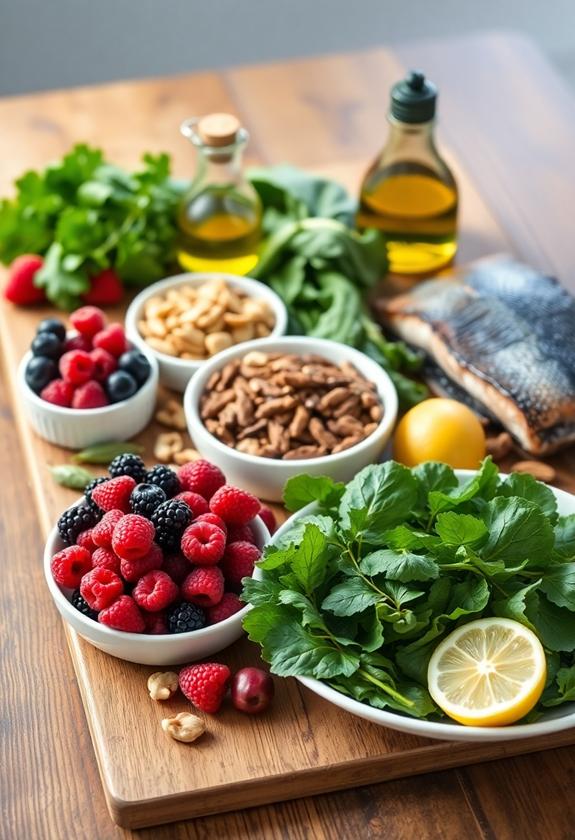
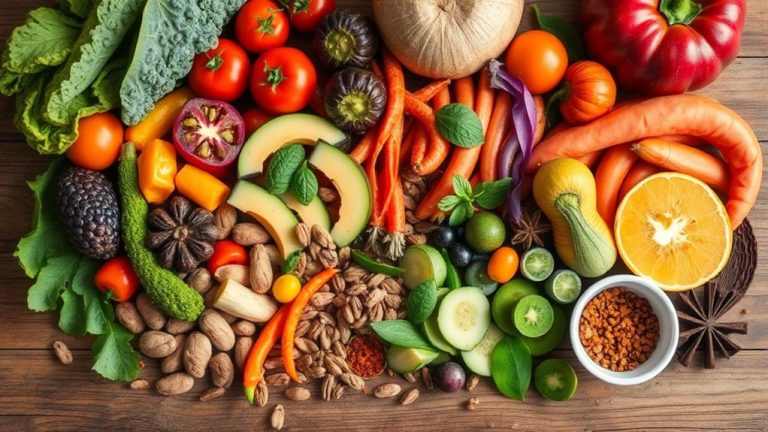
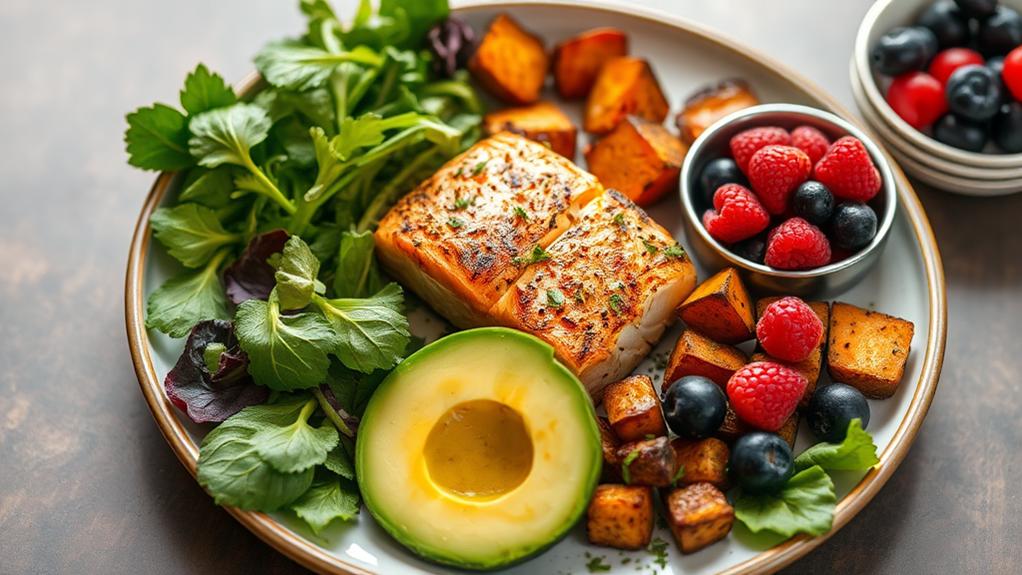
Inflammation, the body's natural defense mechanism, can sometimes become chronic and harmful. That's where an anti-inflammatory diet comes in, offering numerous benefits for your overall health. This approach focuses on consuming nutrient-rich foods that help combat chronic inflammation causes. Transform your diet by incorporating foods known to fight inflammation naturally, such as leafy greens, berries, and fatty fish. You'll learn to balance macronutrients, pay attention to meal timing, and improve your gut health through smart food choices.
Embracing an anti-inflammatory diet isn't just about what you eat; it's a lifestyle change that can transform your well-being. You'll discover how to identify and manage food sensitivities, which often contribute to inflammation. As you investigate this new way of eating, keep in mind that everyone's body is unique. Be patient with yourself and listen to your body's signals. With time and dedication, you'll find the perfect balance that works for you, reducing inflammation and boosting your health.
Assess Your Current Eating Habits
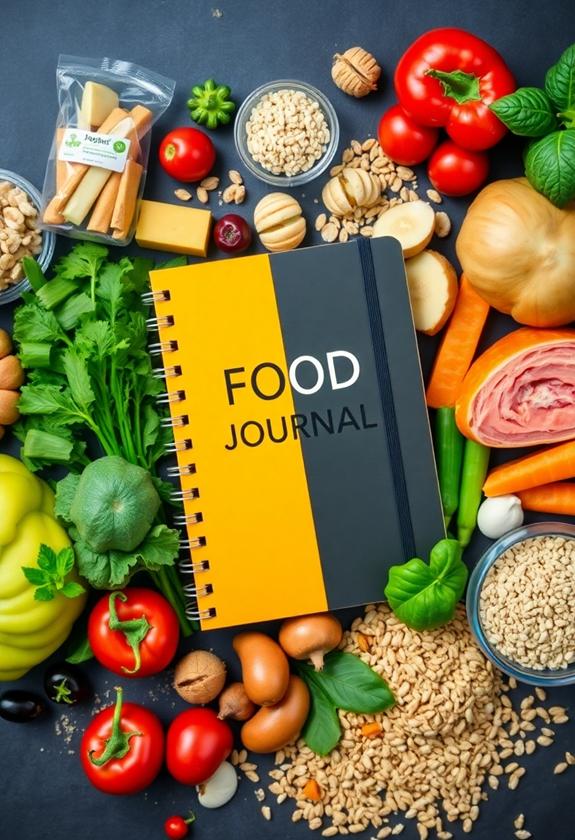
Before starting your anti-inflammatory journey, it's important to take stock of your current eating habits. Food journaling and habit tracking can be eye-opening tools to help you understand what you're really consuming. Pay attention to the nutrient density of your meals, and practice mindful eating to become more aware of your body's signals. Don't forget to reflect on portion control and any tendencies towards emotional eating. Contemplate making simple dietary swaps to quickly reduce inflammation in your body. These small changes can have a significant impact on your overall health and well-being.
As you assess your diet, think about how you can adapt your favorite recipes to be more anti-inflammatory. Investigate seasonal ingredients and diverse cultural cuisines to keep your meals exciting and nutritious. Take a close look at your grocery shopping habits, too. Are you filling your cart with whole foods or processed items? By honestly evaluating your current habits, you'll be better prepared to make meaningful changes towards a healthier, anti-inflammatory lifestyle.
Set Realistic Goals
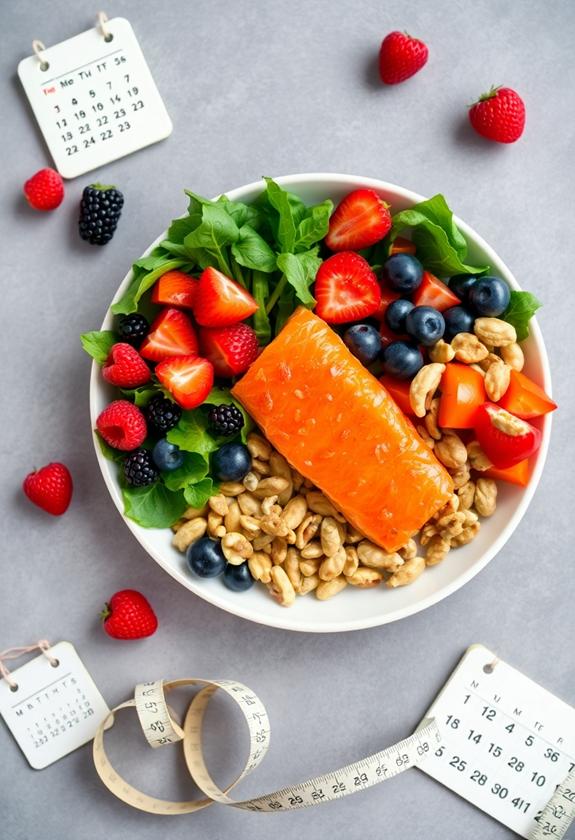
With your current eating habits in mind, it's time to set realistic goals for your anti-inflammatory diet journey. Remember, you're not aiming for perfection, but progress. Start by setting realistic expectations and focus on making gradual changes. This approach will help you stick to your new lifestyle in the long run. Incorporating top anti-inflammatory ingredients into your diet can significantly boost your health and well-being. By focusing on these powerful foods, you'll be taking a proactive step towards reducing inflammation in your body.
Consider these achievable goals to get started:
- Replace one processed snack with a serving of fresh fruits or vegetables daily
- Incorporate omega-3-rich foods, like salmon or chia seeds, into your meals twice a week
- Swap out refined grains for whole grains in at least one meal per day
As you work towards these goals, be patient with yourself. It's okay to have setbacks – they're part of the learning process. Celebrate your small victories and keep pushing forward. Your body will thank you for every positive change you make!
Stock Your Kitchen
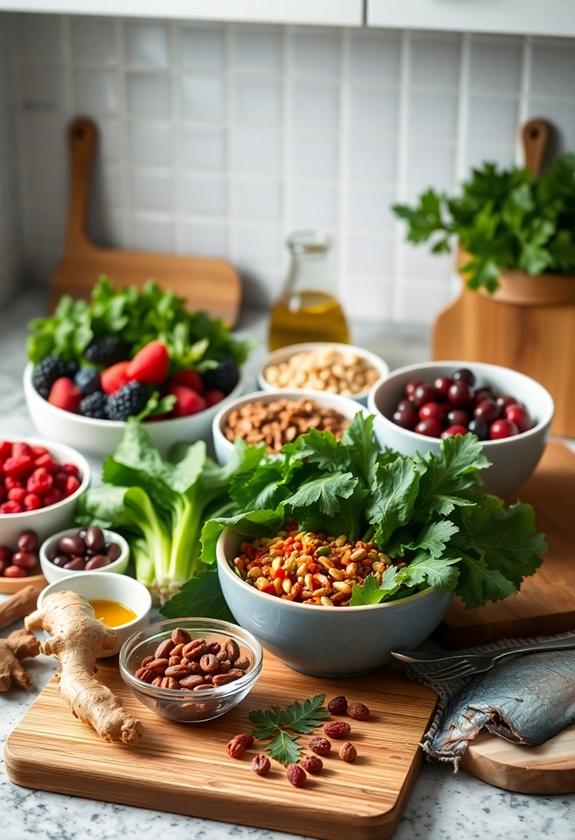
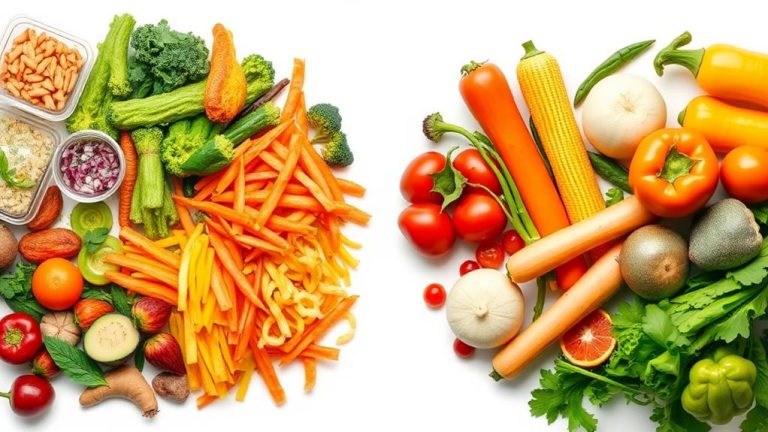
Stocking your kitchen with anti-inflammatory foods is an essential step in your new dietary journey. Start by clearing out processed items and replacing them with pantry essentials like whole grains, nuts, and seeds. Fill your fridge with fresh produce, lean proteins, and healthy fats – these are your new grocery staples. Consider adding anti-inflammatory smoothie ingredients to your shopping list, as they're an easy and delicious way to boost your nutrient intake. Invest in proper food storage containers to keep ingredients fresh and make meal prep a breeze. Don't forget to add flavor boosters like herbs, spices, and vinegars to liven up your dishes. Keep healthy snacks on hand, such as fresh fruit or veggie sticks, to curb cravings. Equip your kitchen with tools that make cooking easier, like a good knife set and non-stick pans. Finally, gather recipe ideas that inspire you to create delicious, anti-inflammatory meals. You've got this!
Incorporate Anti-Inflammatory Foods Gradually
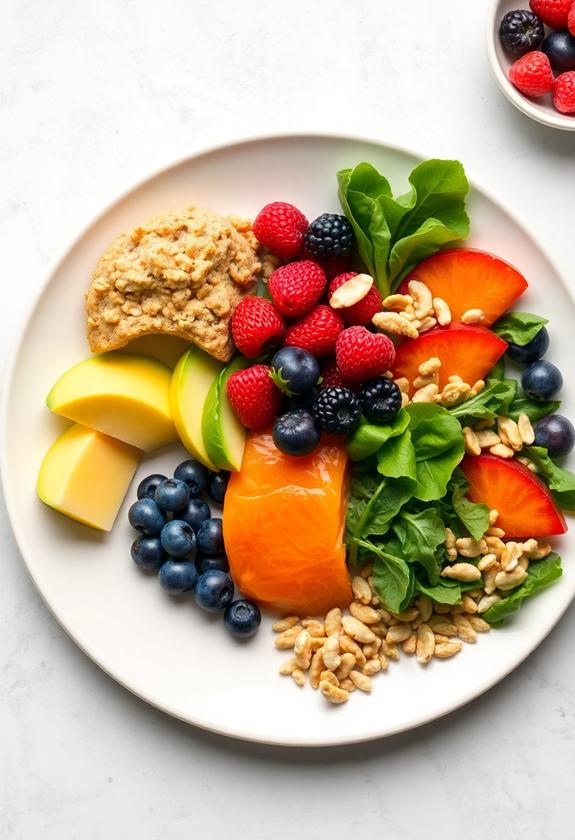
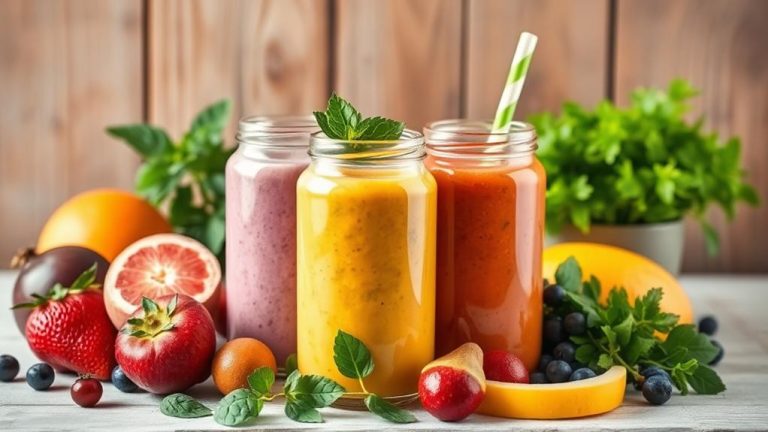
Shifting to an anti-inflammatory diet doesn't have to be overwhelming. Start by gradually incorporating superfoods and their benefits into your daily meals. Choose one or two new anti-inflammatory foods each week, allowing your taste buds and body to adjust. This approach makes the transition smoother and more sustainable. Consider adding soothing smoothies to your diet as a delicious way to consume anti-inflammatory ingredients. These nutrient-packed beverages can be an excellent natural remedy for chronic pain. To make it easier, try these tips:
- Plan your meals in advance, focusing on variety and balance
- Experiment with new recipes that feature anti-inflammatory ingredients
- Keep a food journal to track how you feel as you add new foods
Reduce Inflammatory Food Intake
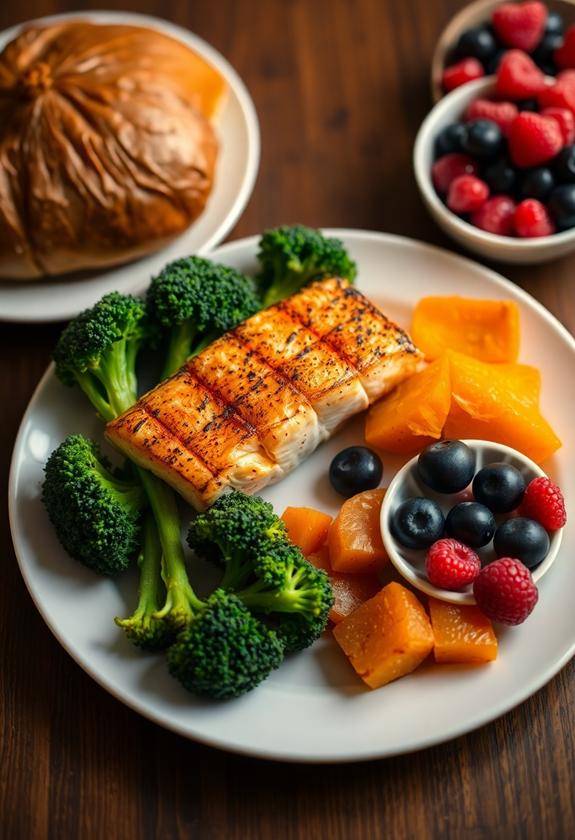
The dietary overhaul isn't complete without addressing inflammatory foods in your current eating habits. It's time to gradually reduce your intake of processed foods, refined grains, and added sugars. These culprits can trigger inflammation in your body. Instead, focus on whole grains and natural sweeteners in moderation. Be mindful of trans fats, often found in packaged snacks, and consider dairy alternatives if you're sensitive to lactose. Boost your omega-3 intake with fatty fish or plant-based sources like flaxseeds. Omega-3 fatty acids are powerful allies in the fight against inflammation, helping to reduce chronic inflammation throughout the body. Pay attention to meal timing and portion control to support your body's natural rhythms. Don't forget to check food labels for harmful additives. Finally, adopt the power of spices! They're not just for flavor – many, like turmeric and ginger, offer incredible anti-inflammatory benefits. Remember, small changes add up to big results over time.
Learn Cooking Techniques

Mastering anti-inflammatory cooking techniques is essential for maximizing the benefits of your new diet. You'll find that learning these methods can be fun and rewarding! Start by exploring different cooking methods like steaming, grilling, and sautéing, which help preserve nutrients and improve flavor without adding inflammatory ingredients. Experiment with healthy seasoning options, such as herbs and spices, to create delicious meals without relying on salt or sugar. Consider incorporating turmeric and ginger into your recipes, as they are powerful anti-inflammatory ingredients that can boost the health benefits of your meals.
To make your anti-inflammatory journey easier, consider:
- Investing in kitchen tools like a food processor or slow cooker
- Practicing meal prep to save time and guarantee healthy options are always available
- Learning ingredient substitutions to modify your favorite recipes
Don't forget to adjust cooking times when trying new techniques. With practice, you'll become an expert at creating tasty, inflammation-fighting meals that nourish your body and satisfy your taste buds.
Plan Your Meals
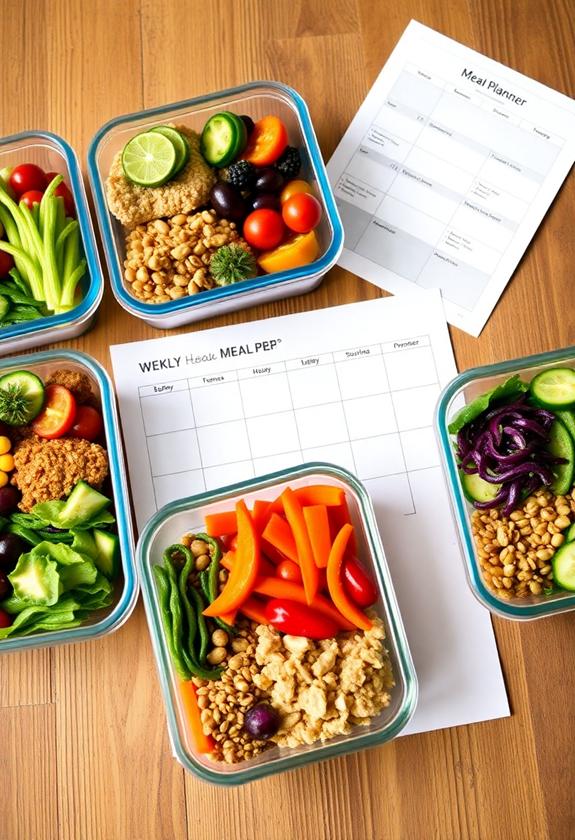
Successful meal planning is a cornerstone of any anti-inflammatory diet. You'll find that dedicating time to meal prepping and recipe development can make your journey much smoother. Start by exploring breakfast options and dinner ideas that incorporate seasonal ingredients, focusing on flavor improvements to keep your meals exciting. Don't forget about portion control and nutrient timing to maximize the benefits of your diet. As you plan, consider cultural influences that might inspire new, delicious anti-inflammatory dishes. Anti-inflammatory smoothies can be an excellent addition to your daily routine, providing a quick and easy way to boost your nutrient intake. Remember to include snack alternatives for those moments when hunger strikes between meals. By taking the time to plan your meals, you're setting yourself up for success. It might seem overwhelming at first, but with practice, you'll become a pro at creating balanced, anti-inflammatory meals that nourish your body and delight your taste buds.
Stay Hydrated

Proper hydration is a vital component of any anti-inflammatory diet. It's important to understand the hydration benefits and investigate water alternatives to keep your body well-balanced. Consider incorporating these options into your daily routine:
- Herbal infusions like chamomile or green tea
- Coconut water for natural electrolyte balance
- Infused water with fruits and herbs for added flavor
Mindful drinking is key to maintaining proper hydration. Pay attention to your body's signals and drink water throughout the day, not just when you feel thirsty. Hydration tracking can be helpful, especially as you adjust to your new diet. Remember, seasonal hydration needs may vary, so you might need to increase your fluid intake during warmer months or when exercising. By staying well-hydrated, you'll support your body's natural anti-inflammatory processes and feel more energized overall. Reducing your intake of processed foods and replacing them with whole, nutrient-dense options can also help decrease inflammation in your body. This, combined with proper hydration, can significantly improve your overall health and well-being.
Monitor Your Progress
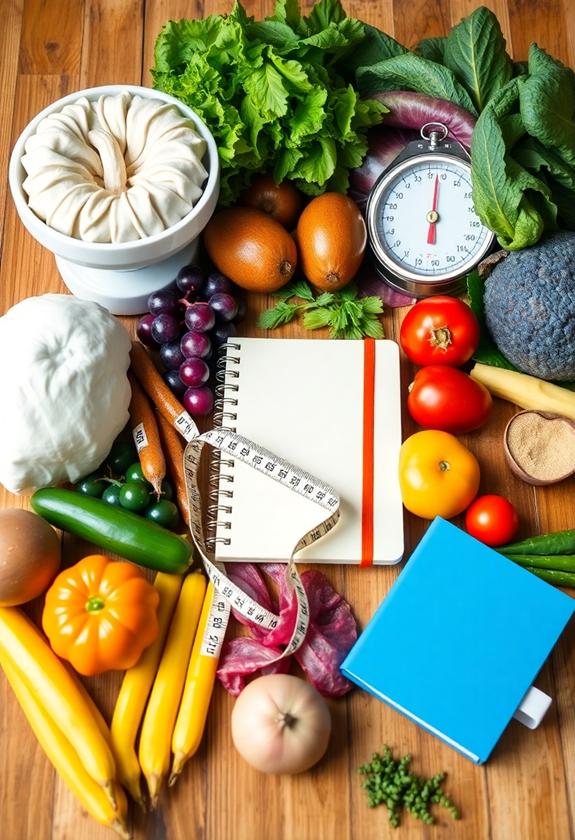
Throughout your anti-inflammatory diet journey, it is crucial to monitor your progress. Keep a symptom journal and food diary to track how different foods affect your body. This progress tracking will help you identify patterns and make necessary lifestyle adjustments. Incorporating anti-inflammatory smoothies regularly into your diet can provide additional benefits and support your overall health goals. Consider tracking how often you consume these nutrient-rich beverages and their effects on your well-being. Set health milestones for yourself, like reduced pain or improved energy levels, and celebrate when you reach them. Consider finding an accountability partner to share your experiences and keep you motivated.
Handle Dining Out Challenges
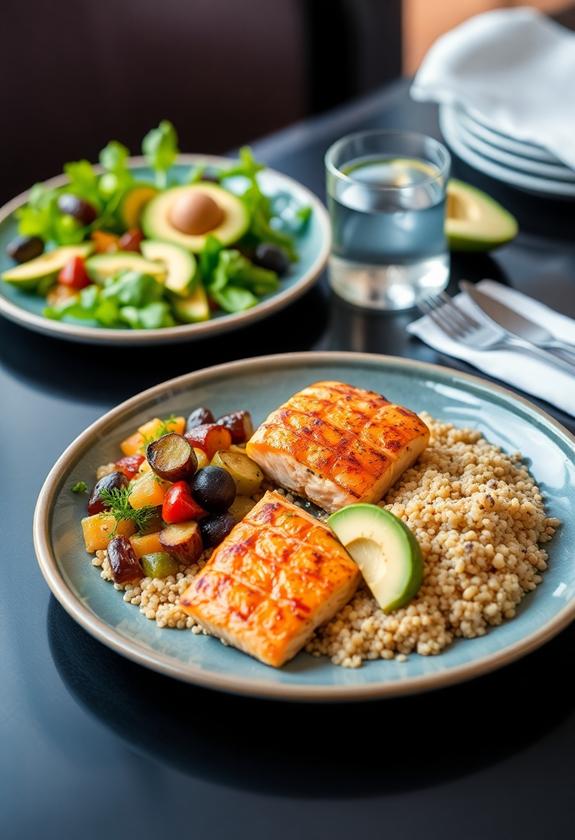
When dining out, sticking to an anti-inflammatory diet can be challenging. But don't worry! With some smart restaurant choices and dining strategies, you can enjoy social events while staying on track. Athletes can benefit from anti-inflammatory smoothies to support their diet and recovery even when dining out. Here are some helpful tips to make eating out easier:
- Ask for menu modifications, like swapping fries for a side salad
- Choose cuisines that naturally align with anti-inflammatory principles, like Mediterranean or Japanese
- Practice portion control by sharing dishes or taking leftovers home
Manage Cravings and Temptations
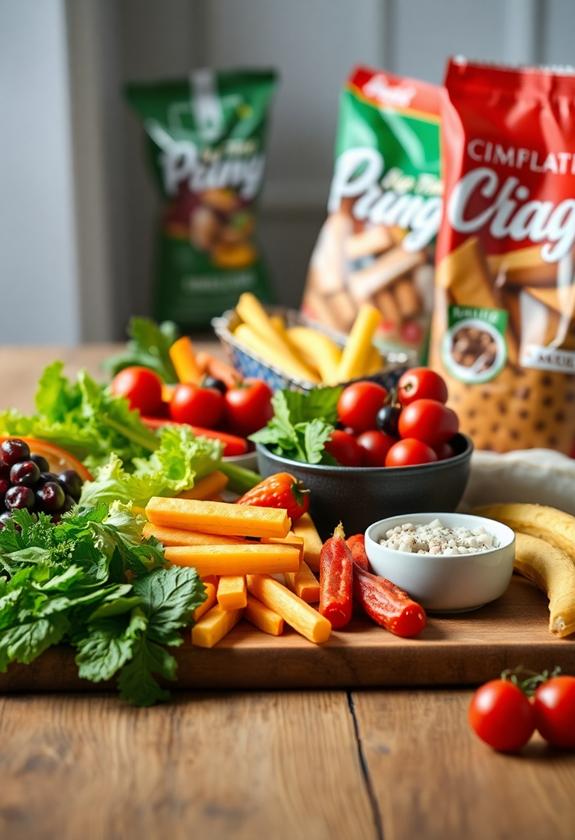
Despite your best efforts, cravings and temptations can derail your anti-inflammatory diet. Don't worry, though – you're not alone in this struggle! Understanding your craving triggers and emotional eating patterns is the first step to success. Try keeping a food journal to identify these patterns and develop healthier coping strategies. When cravings hit, reach for snack alternatives that align with your diet goals. Consider incorporating joint-friendly smoothies into your routine, as they can provide essential nutrients while satisfying your sweet tooth. Practice mindful eating to savor each bite and listen to your body's hunger cues. Portion control and healthy swaps can help you indulge without straying too far off course. Remember, stress management plays a big role in curbing cravings, so find relaxation techniques that work for you. Don't forget about social influences – surround yourself with supportive friends and family. Finally, get creative with recipe modifications to satisfy your taste buds while staying on track.
Address Nutritional Gaps
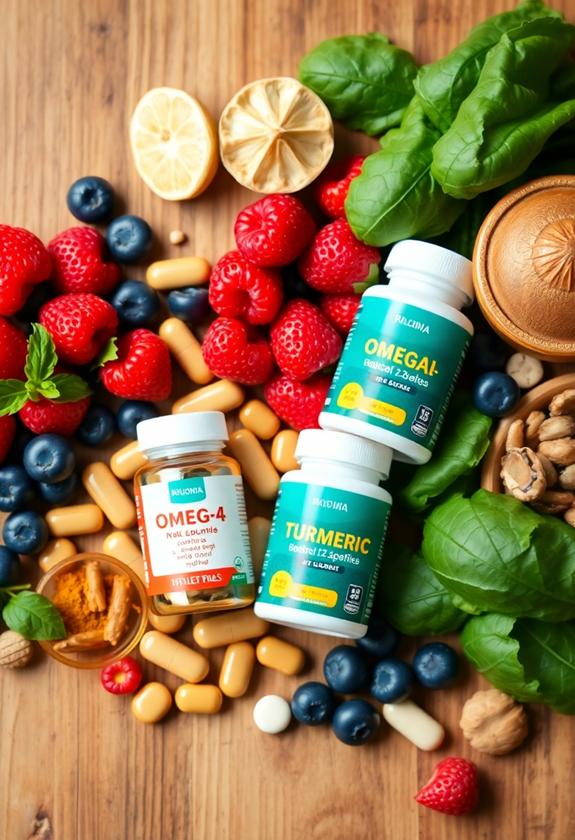
Many people following an anti-inflammatory diet may inadvertently create nutritional gaps. It's important to be aware of potential nutrient deficiencies and address them proactively. As you make food substitutions, keep an eye on your overall nutrient intake. Anti-inflammatory smoothies can be an excellent way to incorporate nutrient-dense foods into your diet while supporting your health goals. You can guarantee you're getting all the necessary vitamins and minerals by:
- Eating a wide variety of colorful fruits and vegetables
- Incorporating nutrient-dense foods like leafy greens and fatty fish
- Considering supplements, if recommended by your healthcare provider
Don't worry if you're not perfect right away. It takes time to learn how to balance your new diet. Remember, small steps lead to big changes. If you're unsure about your nutritional needs, consult a registered dietitian. They can help you create a personalized plan that meets your anti-inflammatory goals while guaranteeing you're getting all the nutrients your body needs.
Maintain Long-Term Commitment
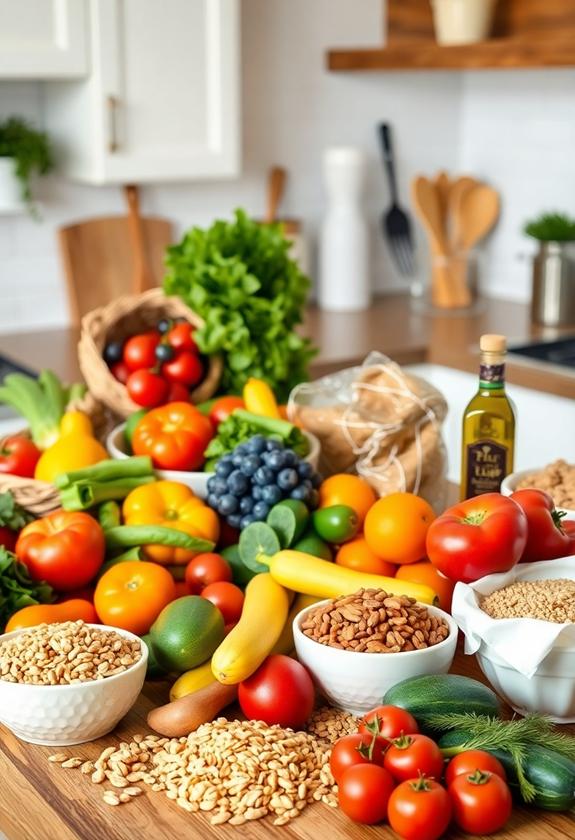
Sticking to an anti-inflammatory diet long-term requires more than just knowing what to eat. It's about developing motivation strategies and creating support systems that keep you on track. Find accountability partners who share your goals, and make necessary lifestyle adjustments to accommodate your new eating habits. Accept mindset shifts that focus on the long-term benefits of your choices, rather than short-term cravings. Consider incorporating anti-inflammatory smoothies into your routine, as they can provide a quick and easy way to boost your nutrient intake and support recovery.
To stay committed, try health tracking to monitor your progress and celebrate small victories. Meal prepping can be a game-changer, making it easier to stick to your anti-inflammatory choices even on busy days. Remember, this isn't just a diet; it's a journey towards better health. Be patient with yourself, and don't be discouraged by setbacks. With time and practice, these new habits will become second nature, and you'll reap the rewards of your dedication.
Frequently Asked Questions
Can I Follow an Anti-Inflammatory Diet if I Have Food Allergies?
You can follow an anti-inflammatory diet even with food allergies. It's all about finding the right food allergy substitutions that work for you. Don't worry, you're not alone in this journey. Start by talking to a nutritionist who can help create personalized meal plans tailored to your needs. They'll guide you through safe, delicious alternatives that still pack an anti-inflammatory punch. Remember, it's okay to take it slow and experiment. Your health journey is unique, and you'll find what works best for you!
How Long Does It Take to See Results From an Anti-Inflammatory Diet?
Ever wondered how quickly you'll feel better on an anti-inflammatory diet? While everyone's dietary timeline is unique, you might notice some improvements within a few weeks. Many people report feeling more energetic and less bloated after just 2-3 weeks. However, for significant changes in inflammation markers, it can take 2-3 months. Don't get discouraged if you don't see instant results! Your body's working hard to heal, and you're doing a great job by sticking to this healthy choice.
Is an Anti-Inflammatory Diet Suitable for Children and Teenagers?
An anti-inflammatory diet can be great for children and teenagers! It's all about focusing on wholesome foods that support their growing bodies. You'll want to include plenty of colorful fruits and veggies, whole grains, and lean proteins. It's important to work with your child's pediatrician to guarantee they're getting all the nutrients they need for proper growth and development. Remember, small changes can make a big difference in your child's nutrition and overall teen health. Welcome this journey together, and you'll be setting them up for a lifetime of healthy habits!
Can I Combine an Anti-Inflammatory Diet With Other Dietary Approaches?
Picture your diet as a colorful canvas, where you can blend different approaches like an artist! You can absolutely combine an anti-inflammatory diet with other dietary styles. It's like creating a delicious masterpiece! The key is smart meal planning and maintaining nutrient balance. You'll want to focus on whole foods, fruits, veggies, and lean proteins while reducing processed items. Don't worry, you've got this! With a bit of creativity, you can craft a diet that's both anti-inflammatory and aligned with your other nutritional goals.
Are There Any Potential Side Effects of Following an Anti-Inflammatory Diet?
You'll be glad to know that an anti-inflammatory diet is generally safe and beneficial. However, it's important to maintain nutrient balance. You might experience some changes in your digestion as your body adjusts to new foods. Careful meal planning can help prevent this. Remember, everyone's body is different, so listen to yours. If you have any concerns, don't hesitate to chat with your doctor. They're there to support you on your journey to better health!