Some links below are affiliate links. We earn a commission on purchases at no extra cost to you. Although our opinions are based on curated research, we haven't used these products. Article generated with AI.

How to Reduce Inflammation With Diet
You can effectively reduce inflammation and feel better by focusing on a diet rich in whole, unprocessed foods. Start by adding more omega-3 fatty acids from fish and flaxseeds, and include fermented foods like yogurt for gut health. Enjoy berries and leafy greens, which are packed with antioxidants. Whole grains like oats and quinoa are also fantastic. Don't forget healthy fats from avocados and nuts, plus herbs like turmeric and ginger that fight inflammation. Reducing sugar and processed foods is essential. Stay hydrated with water and herbal teas to help flush out toxins. For practical tips and recipes, there's more to investigate.
Table of Contents
hide
Key Takeaways
- Focus on consuming anti-inflammatory foods like berries, leafy greens, and omega-3 rich sources such as salmon and flaxseeds.
- Include fermented foods such as yogurt and kimchi to support gut health and reduce inflammation.
- Use herbs and spices like turmeric, ginger, and garlic for their anti-inflammatory properties.
- Reduce intake of refined sugars and processed foods to lower inflammation levels.
- Stay hydrated with water, herbal teas, and nutrient-rich fluids to help flush out toxins and reduce inflammation.
Understanding Inflammation
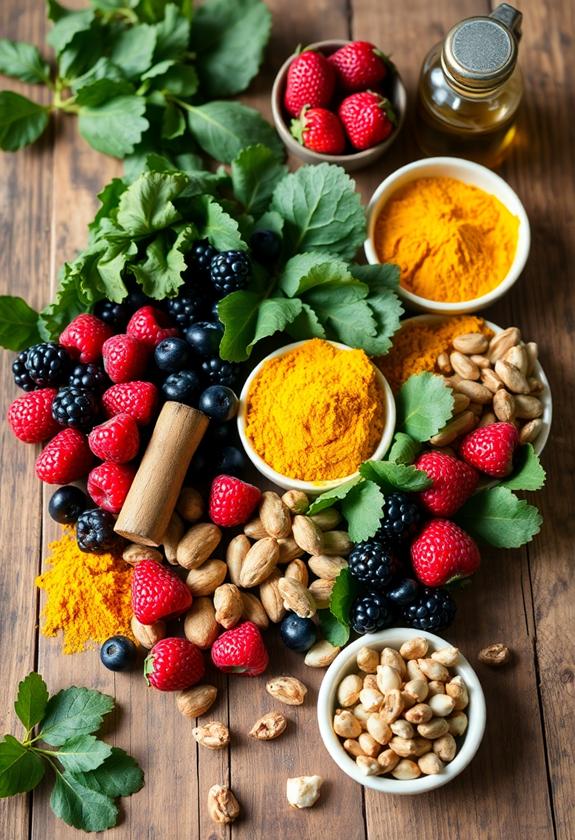
Although inflammation is a natural process that helps your body heal and defend itself from harm, chronic inflammation can lead to serious health issues. Acute inflammation is your immune response to injury or infection, marked by redness and swelling. However, when inflammation becomes chronic, it can contribute to inflammatory diseases like arthritis and heart disease. Processed foods have been linked to increased inflammation in the body, potentially exacerbating chronic conditions. Reducing consumption of these foods may help manage inflammation levels. Lifestyle factors, like diet impact, gut health, stress management, and sleep quality, play a big role in managing inflammation. Inflammation markers in your blood can indicate the level of inflammation in your body. By understanding these elements, you can make choices that reduce chronic inflammation. It's crucial to focus on your overall well-being to keep inflammation in check and support a healthier, happier life.
Anti-Inflammatory Foods
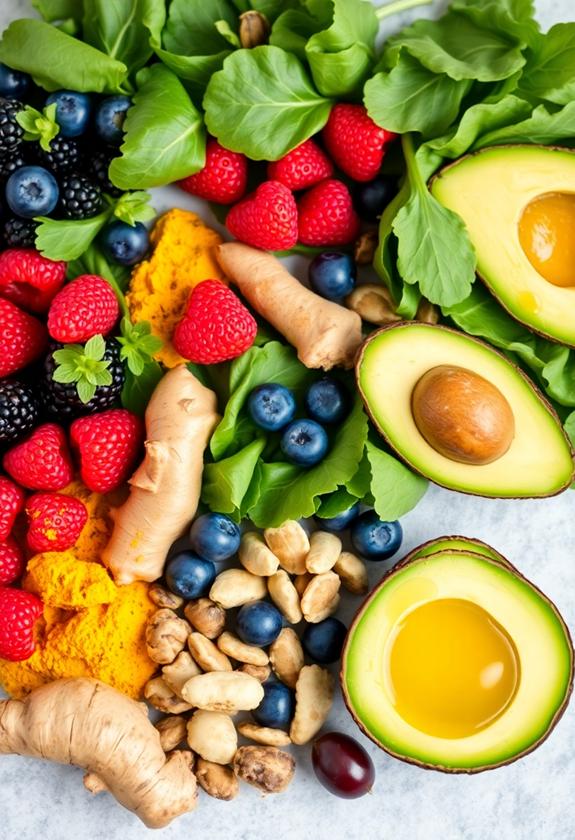
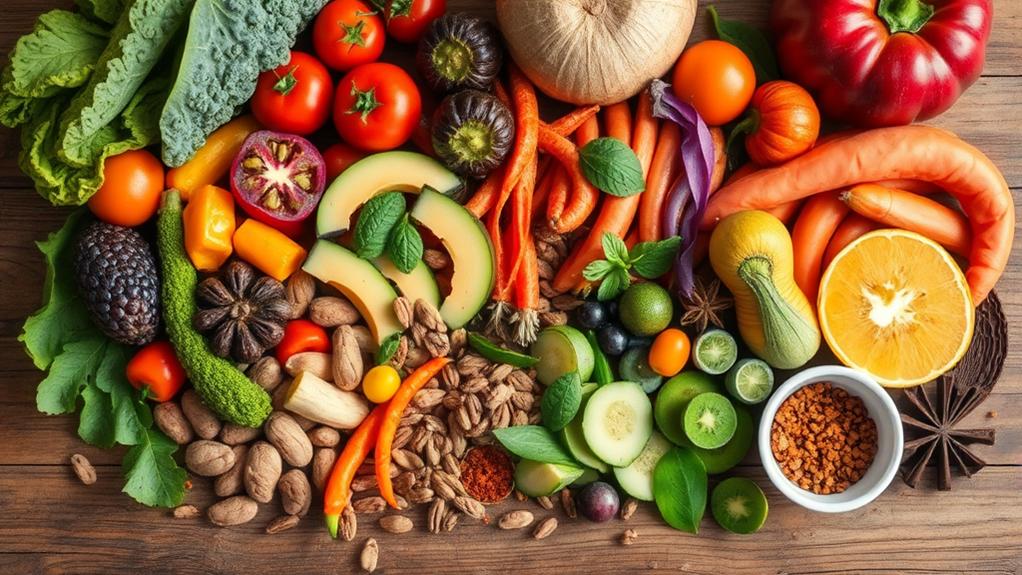
To effectively manage chronic inflammation, focus on incorporating anti-inflammatory foods into your diet. Start with omega-3 sources like salmon and flaxseeds, which help reduce inflammation. Enjoy fermented foods, such as yogurt and kimchi, for their gut-health benefits. Aim for color variety in your meals, combining seasonal produce with a range of vibrant hues. Top anti-inflammatory ingredients like berries, leafy greens, and olive oil can significantly boost your diet's inflammation-fighting power. These foods are rich in antioxidants and beneficial compounds that help combat oxidative stress in the body. Practice mindful eating, paying attention to portion control to avoid overeating. Mix in nut varieties, like almonds and walnuts, for healthy fats. Culinary herbs, such as turmeric and ginger, can add flavor and anti-inflammatory properties. Choose lean protein sources like chicken and beans to support muscle health. By thoughtfully combining these foods, you'll create meals that not only taste great but also support your well-being.
Fruits and Vegetables
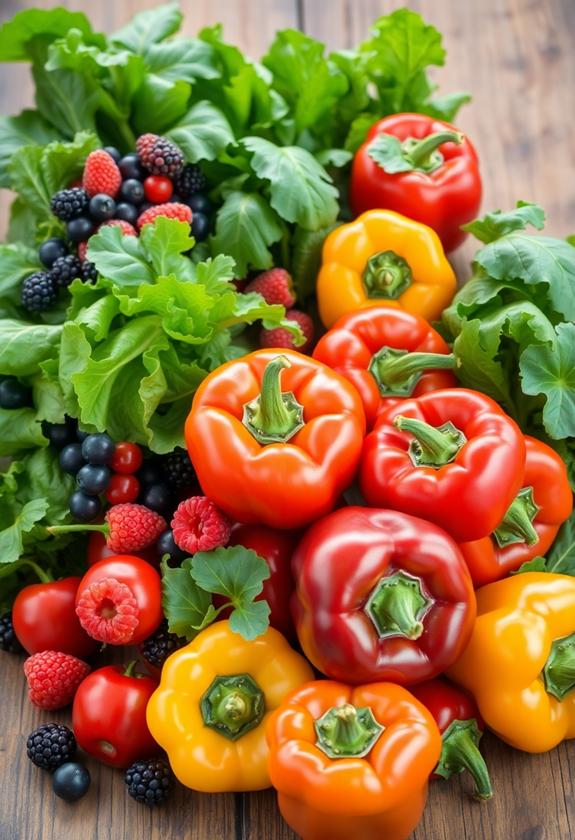
In your quest to reduce inflammation, don't underestimate the power of fruits and vegetables. They're packed with nutrients that can help your body fight off inflammation. Berries, like strawberries, blueberries, and raspberries, offer impressive berry benefits. They're rich in antioxidants, which protect your cells from damage. Plus, they're delicious! Strawberries, in particular, are nature's ally against inflammation, providing a natural and tasty way to combat inflammatory processes in the body.
Leafy greens, such as spinach, kale, and Swiss chard, are another must-have. These greens are full of vitamins, minerals, and fiber. They can help lower inflammation and improve your overall health. Adding a variety of colorful fruits and vegetables to your meals will not only make your dishes more appealing but also boost your body's natural defenses. So, fill your plate with these vibrant and powerful foods!
Whole Grains
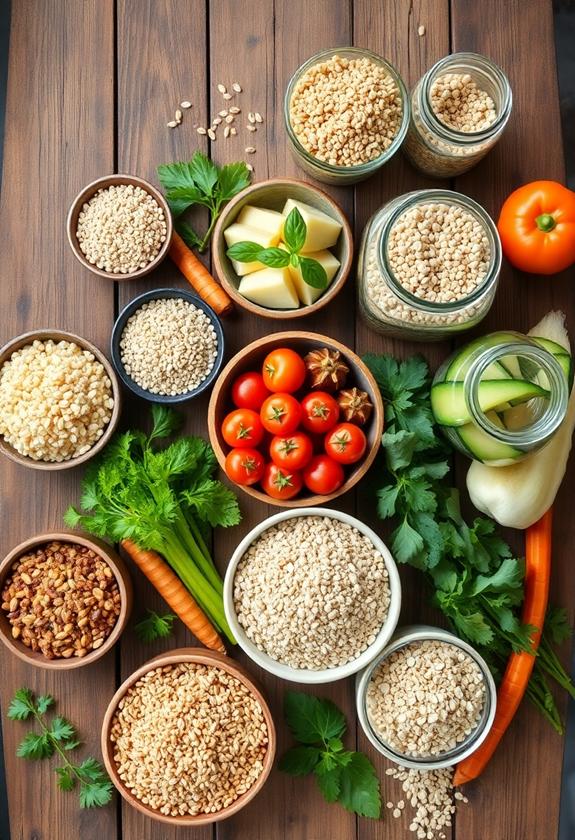
Whole grains are another key player in reducing inflammation. They're packed with nutrients and fiber, which can help keep your body in top shape. When you choose whole grains over refined options, you get a host of whole grain benefits, like improved digestion and a healthier heart. Plus, they can help lower inflammation levels in your body. Anti-inflammatory smoothies can be a delicious way to incorporate whole grains into your diet, boosting your intake of these beneficial foods.
Here are some whole grain varieties you should consider adding to your diet:
- Oats: Perfect for a warm, comforting breakfast.
- Quinoa: A protein-rich grain that's great in salads.
- Brown rice: A versatile staple that pairs well with many dishes.
Healthy Fats
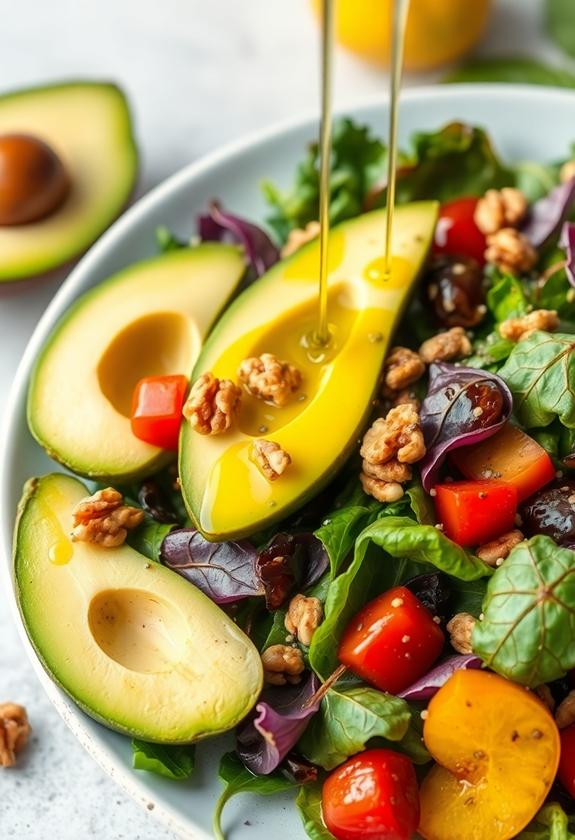
Healthy fats can really make a difference in terms of fighting inflammation. Start by adding omega 3 sources like flaxseed options and fish choices such as salmon and sardines. Enjoy the many avocado benefits, from healthy spreads to tasty salads. A nuts variety, including almonds and walnuts, provides great anti-inflammatory properties. Consider incorporating omega-3 smoothies into your diet for an easy and delicious way to support joint health and reduce inflammation. These nutrient-packed drinks can be a great addition to your anti-inflammatory regimen.
For cooking oils, use olive oil and coconut oil to boost your meals' health factor. Nut butters, whether peanut or almond, offer delicious ways to include healthy fats in your snacks. Coconut benefits also extend to its oil, which can be used in various dishes. Choose healthy spreads made from nuts or avocados, and don't forget the power of flaxseed options for a nutritious boost.
Lean Proteins
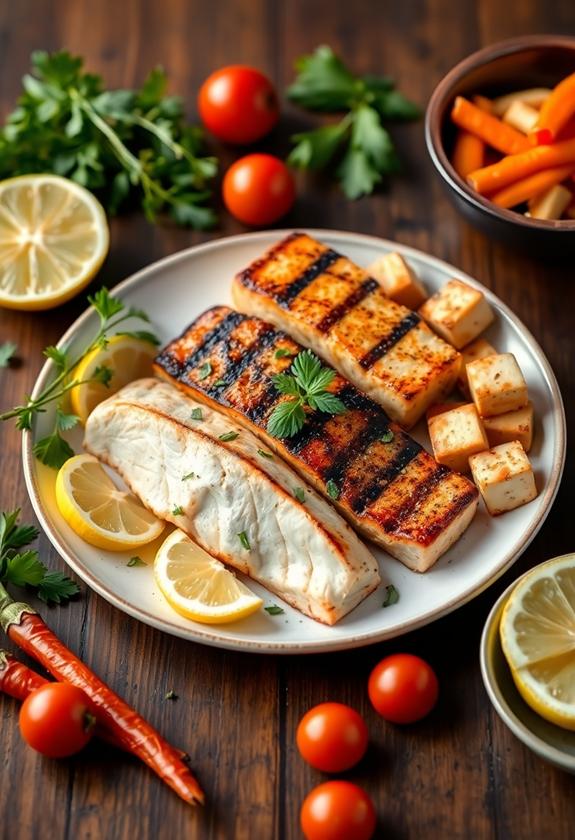
While focusing on lean proteins, you'll find they play an essential role in reducing inflammation. These proteins help repair tissues and maintain muscle mass without adding extra fat. Choosing the right lean protein sources is key. Omega-3 fatty acids found in certain fish are particularly effective at combating inflammation in the body.
- Chicken breast: A versatile option that's low in fat and high in protein.
- Fish: Particularly salmon and tuna, which provide omega-3 fatty acids.
- Legumes: Like lentils and chickpeas, offering plant-based protein and fiber.
It's important to pay attention to protein portion sizes. Aim for about 3-4 ounces of meat or fish, which is roughly the size of your palm. For plant-based sources, one cup of cooked beans or legumes works well. By incorporating these lean proteins into your diet, you'll support your body's fight against inflammation.
Herbs and Spices
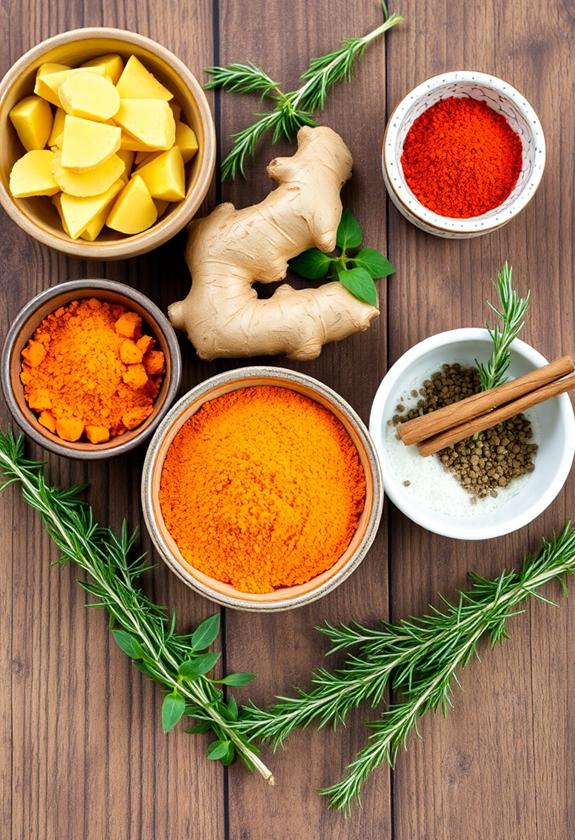
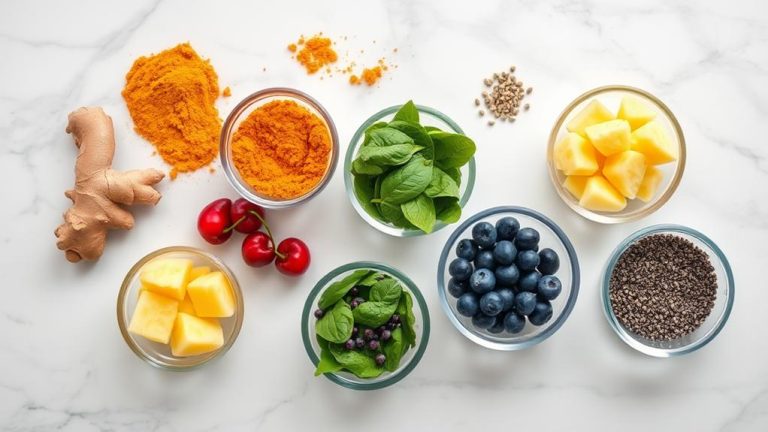
In addition to lean proteins, incorporating certain herbs and spices into your diet can significantly reduce inflammation. Turmeric benefits your body by reducing swelling, thanks to its active compound, curcumin. Ginger effects include soothing your digestive system and combating inflammation. When combined, turmeric and ginger create a powerful anti-inflammatory duo that can help improve overall health. Garlic properties help boost your immune system and fight off harmful bacteria. Cinnamon uses range from balancing blood sugar levels to reducing inflammation.
Feel the cayenne heat as it stimulates circulation and lowers inflammation. Rosemary antioxidants protect your cells from damage. Oregano compounds also fight inflammation and boost your immune system. Basil nutrients provide essential vitamins and minerals. Don't forget black pepper, which improves the absorption of turmeric, and chili powder, which adds flavor and anti-inflammatory benefits to your meals.
Reducing Sugar Intake
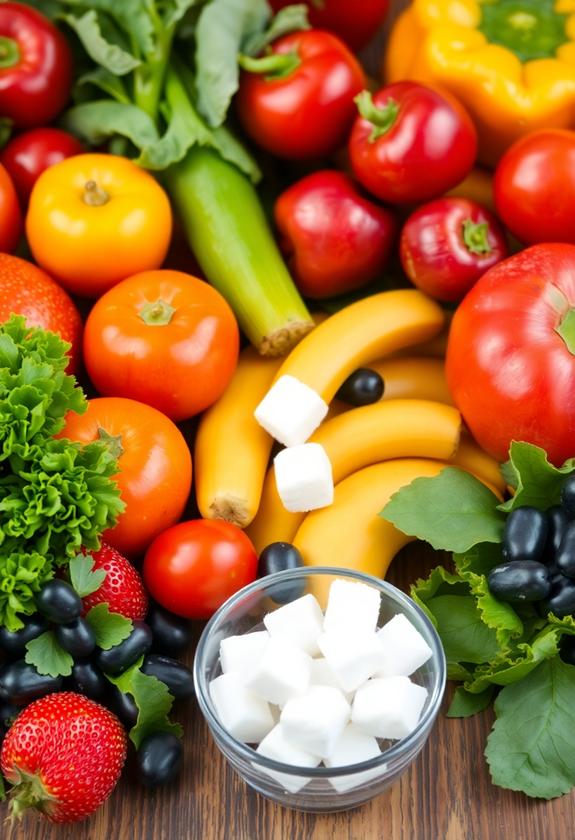
Cutting back on sugar is one of the most effective ways to reduce inflammation in your body. Refined sugars can cause inflammatory responses, leading to health issues like metabolic syndrome. Start by watching out for hidden sugars in everyday foods. Instead, choose sugar alternatives with a lower glycemic index. Making simple dietary swaps can help you fight inflammation fast and improve your overall health.
- Use sugar substitutes: Opt for stevia or monk fruit.
- Read labels: Find and eliminate hidden sugars in sauces and beverages.
- Manage sugar cravings: Satisfy your sweet tooth with fruits.
These small changes can make a big difference. By reducing your sugar intake, you'll help your body fight inflammation and feel better overall. Adopt these steps and notice the positive impact on your health!
Limiting Processed Foods
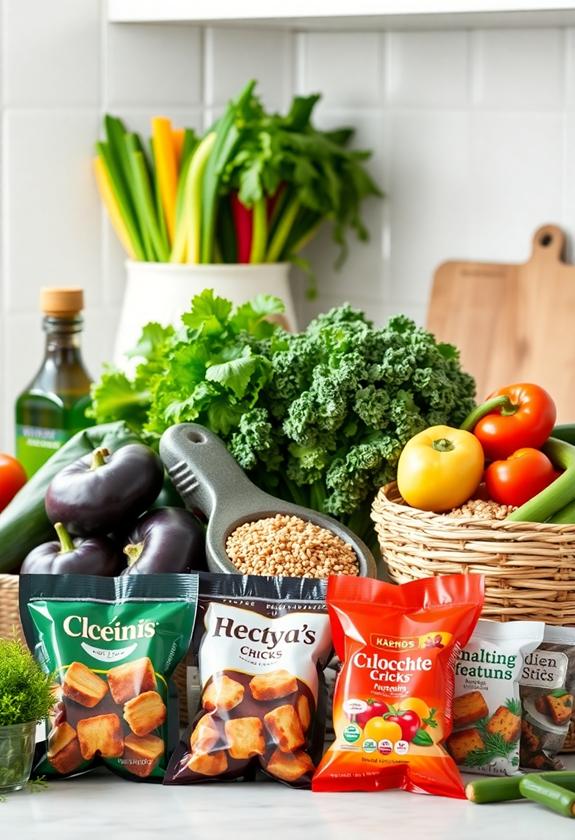
Reducing your intake of processed foods is essential for minimizing inflammation in your body. These foods often contain additives and preservatives that can trigger inflammatory responses. Instead, focus on processed food alternatives like fresh fruits, vegetables, and whole grains. These natural options are packed with nutrients that support your overall health. Anti-inflammatory diets emphasize whole, unprocessed foods and differ significantly from traditional diets that may include more inflammatory ingredients.
Practice mindful eating by paying attention to what you're consuming. Take the time to read labels, and choose foods with simple, recognizable ingredients. Preparing meals at home allows you to control what goes into your dishes, making it easier to avoid processed ingredients.
Hydration and Inflammation

Staying well-hydrated plays an essential role in combating inflammation. By ensuring your daily hydration, you support your body functions and reduce inflammation. The hydration benefits are immense, helping maintain an ideal electrolyte balance and aiding in the inflammation connection. Smoothies for inflammation can be an effective and delicious way to stay hydrated while also providing anti-inflammatory nutrients.
- Water intake: Drinking enough water daily helps flush out toxins.
- Herbal teas: These are great alternatives to sugary drinks and provide additional health benefits.
- Ideal fluids: Choose fluids that nourish your body, like coconut water and diluted fruit juices.
Aim to drink plenty of water and include herbal teas in your routine. This keeps your body hydrated and supports overall health. Remember, staying hydrated is more than just drinking water—it's about choosing the right fluids for your body's needs.
Meal Planning Tips
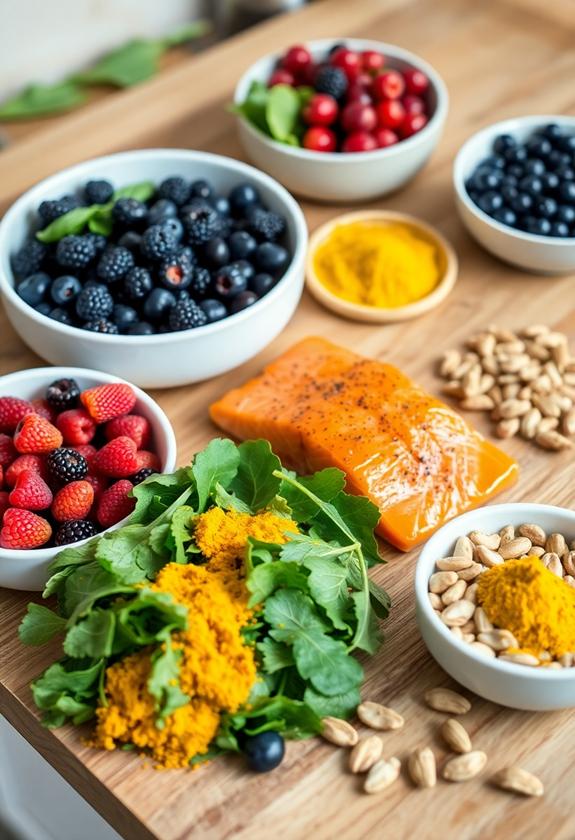
Planning your meals with an eye towards reducing inflammation can make a significant difference in your overall health. Start with meal prep to save time and guarantee you have healthy options on hand. Focus on portion control, and choose snacks wisely, like nuts or fruits. When grocery shopping, look for fresh, whole foods. Crafting a plan that focuses on anti-inflammatory foods can help you stay on track and make healthier choices throughout the week. Pay attention to food timing and aim for balanced meals throughout the day. Use cooking methods like steaming or baking to keep nutrient density high. Don't forget flavor balancing; herbs and spices can make meals delicious without added sugars. Accept dietary diversity by including various fruits, vegetables, grains, and proteins. Finally, keep a regular meal frequency to maintain steady energy levels and reduce inflammation.
Sample Anti-Inflammatory Recipes
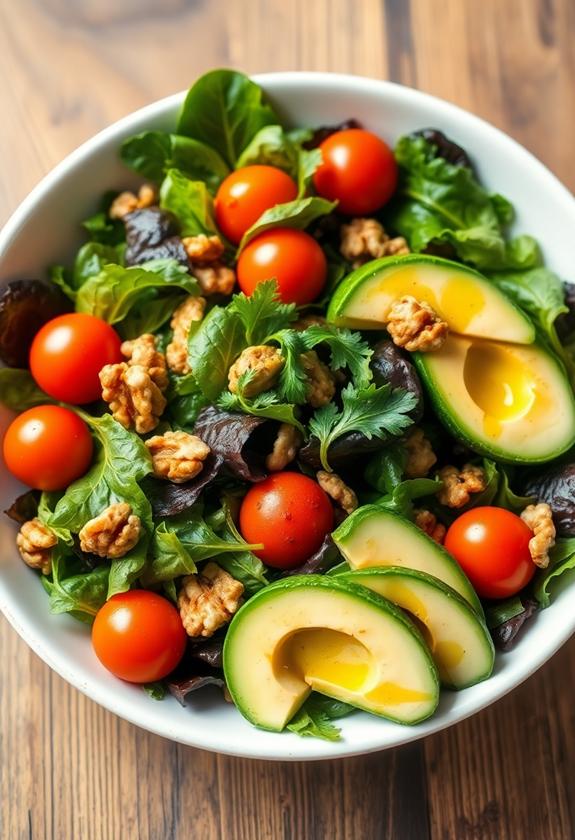
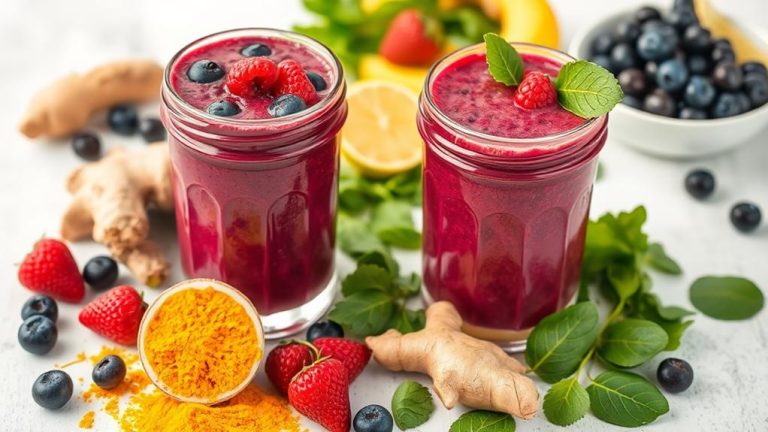
To kickstart your journey toward an anti-inflammatory diet, we've compiled a handful of delicious and easy-to-make recipes. These dishes not only taste great but also help reduce inflammation in your body. Blueberry smoothies are particularly effective in revealing anti-inflammatory benefits, making them an excellent addition to your diet.
- Turmeric Tea: Warm and soothing, this tea features turmeric, ginger, and a touch of honey.
- Berry Smoothie: Blend your favorite berries with coconut yogurt for a refreshing start to your day.
- Quinoa Salad: Toss quinoa with fresh veggies and a light vinaigrette for a satisfying meal.
Other great options include chia pudding for a quick breakfast, lentil soup to warm you up, and avocado toast for a savory snack. Don't forget about sweet potato fries, crispy kale chips, and a flavorful ginger stir fry! Enjoy cooking and feeling great!
Frequently Asked Questions
Can Supplements Help Reduce Inflammation?
Yes, supplements can help reduce inflammation. Omega-3 benefits are especially notable, as these fatty acids can lower inflammation. You'll find them in fish oil supplements. Including anti-inflammatory foods like turmeric and ginger in your diet can also be very beneficial. Remember, though, it's important to talk to your doctor before starting any new supplements. They can guide you on what's best for your body and needs.
How Does Stress Affect Inflammation Levels?
Think of stress as a wildfire that can spark inflammation in your body. When you don't practice stress management, your inflammatory response can go haywire, leading to more health issues. Emotional health is vital; staying calm helps keep inflammation down. Your dietary choices also play a big role. Eating anti-inflammatory foods supports your body, making it easier to handle stress. So, take care of your mind and your plate!
Are There Any Specific Exercises That Reduce Inflammation?
Yes, certain exercises can help reduce inflammation! Yoga benefits you by promoting relaxation and flexibility, which can lower stress and inflammation levels. Strength training is also great because it builds muscle and improves overall health, reducing chronic inflammation. By incorporating these activities into your routine, you'll feel stronger, more relaxed, and healthier. Remember, consistency is key, so make sure to enjoy and stick with your exercise plan!
Does Sleep Quality Influence Inflammation in the Body?
Yes, your sleep quality can definitely influence inflammation in your body. When you don't get enough sleep or suffer from sleep disorders, your body releases more stress hormones, which can increase inflammation. Aim for a good sleep duration, around 7-9 hours per night, to help keep inflammation in check. Quality rest helps your body repair and rejuvenate, making you feel more energetic and healthier overall.
How Does Alcohol Consumption Impact Inflammation?
When you drink different alcohol types, it can impact inflammation in your body. Some inflammation markers might increase, especially with chronic consumption of alcohol. However, if you drink in moderation, the effects can be less harmful. It's important to keep in mind that too much alcohol can lead to more inflammation and other health issues. So, enjoying alcohol occasionally, without overdoing it, can help keep your inflammation levels in check.