Some links below are affiliate links. We earn a commission on purchases at no extra cost to you. Although our opinions are based on curated research, we haven't used these products. Article generated with AI.

The Link Between Processed Foods and Inflammation
Did you know that the processed foods you eat might be causing inflammation in your body? Processed foods often contain additives like high fructose corn syrup, trans fats, and artificial flavors, which can trigger inflammatory responses. These foods can disrupt your gut microbiome and lead to oxidative stress, weakening your immune system. Chronic inflammation has been linked to serious health issues like heart disease and diabetes. Choosing whole, natural foods can help reduce inflammation and improve overall health. It's encouraging to know that simple dietary changes can make a big difference, and there's more to discover about this connection.
Table of Contents
hide
Key Takeaways
- Processed foods contain additives and preservatives that disrupt gut health and promote inflammation.
- High fructose corn syrup in processed foods spikes blood sugar, triggering inflammatory responses.
- Trans fats in processed foods increase bad cholesterol and are strongly linked to inflammation.
- Chronic inflammation from processed foods can lead to diseases like heart disease, diabetes, and obesity.
- Reducing processed foods and opting for whole, fiber-rich foods can help lower inflammation and improve overall health.
What Are Processed Foods?

When we talk about processed foods, we're referring to any food that's been altered from its natural state, often for convenience or preservation. You'll find that food manufacturers use various methods to change foods, like adding preservatives or flavorings. Understanding nutritional labeling helps you see what's been added, such as sugars, fats, and sodium. This can be really eye-opening! Compared to anti-inflammatory diets, traditional diets often include more processed foods, which can contribute to inflammation in the body.
Processed foods might seem easier and quicker, but it's important to know what's in them. Nutritional labeling can guide you in making healthier choices, showing you the ingredients and nutritional content. Food manufacturers aim to make their products tasty and long-lasting, but being aware of these alterations helps you make informed decisions about your diet.
Types of Processed Foods
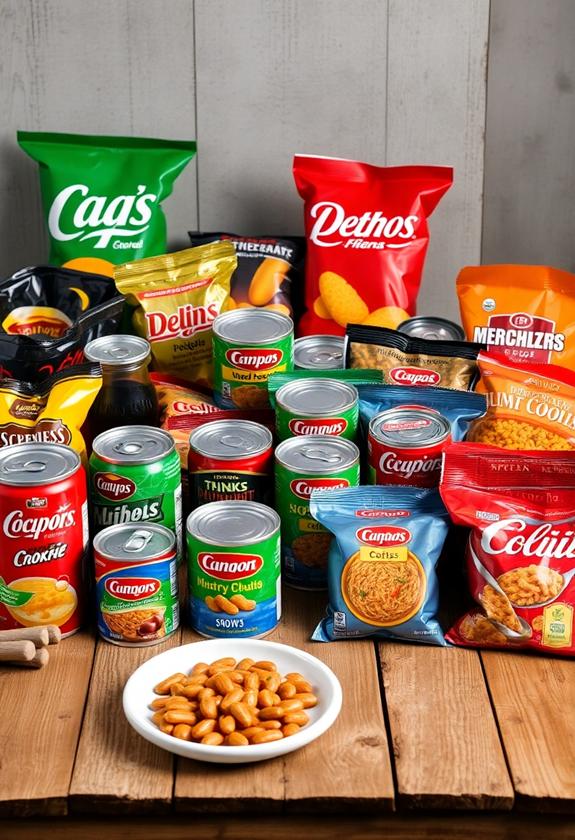
Processed foods come in various forms, each differing in the degree of processing they've undergone. You'll find frozen meals that are quick and easy to prepare, perfect for busy nights. Snack foods and convenience items, like chips and crackers, are popular for their grab-and-go nature. Breakfast cereals offer a fast morning meal, while deli meats make sandwiches a breeze. Instant noodles, sugary drinks, and bakery products, such as cakes and pastries, also fall into this category. Simple dietary swaps can help reduce inflammation caused by these processed foods. By making conscious choices, you can improve your overall health and well-being. Canned soups provide a ready-made option for lunch or dinner, and packaged snacks can be a handy solution when you're on the move. Each of these types of processed foods is designed to make life easier, though they often come with trade-offs.
Common Ingredients in Processed Foods

Although processed foods are convenient, they often contain a variety of common ingredients that can negatively impact your health. These ingredients can contribute to inflammation in the body, potentially leading to various health issues. Opting for a diet rich in whole, unprocessed foods can help reduce inflammation naturally. You'll find artificial flavors that mimic real tastes but offer no nutritional value. High fructose corn syrup increases sweetness and calorie density, while refined grains lack the fiber and nutrients of whole grains. The high sodium content in these foods can lead to increased blood pressure. Unhealthy fats, like trans fats, raise bad cholesterol levels. Emulsifiers source ingredients, keeping mixtures smooth, but can affect your gut health. Food coloring and excessive preservatives extend shelf life but add no benefits. Synthetic sweeteners replace sugar but can disrupt your metabolism. Being aware of these ingredients helps you make better food choices.
Understanding Inflammation
Inflammation, by its very nature, is a complex biological response to harmful stimuli such as pathogens, damaged cells, or toxic compounds. Your body's immune response kicks in to protect you, aiming to remove these harmful agents and initiate healing. Acute inflammation is short-term, like when you get a cut and it swells, but it's the chronic conditions that are more concerning. Consuming unhealthy food additives can contribute to chronic inflammation, making it essential to be mindful of your diet and consider incorporating detox smoothies to combat these harmful substances.
Chronic inflammation can linger for months or even years, leading to problems like heart disease, arthritis, and diabetes. Your body stays in a constant state of alert, which isn't healthy in the long run. Understanding this response helps you see how it's connected to your overall health. By knowing more about inflammation, you can take steps to reduce your risk of chronic conditions.
How Processed Foods Trigger Inflammation
Eating processed foods can set off a cascade of inflammatory responses in your body. When you choose these foods, you're often consuming food additives that can disrupt your gut microbiome, leading to oxidative stress and inflammation markers. Poor dietary choices can cause nutritional deficiencies that weaken your immune response, making you more susceptible to chronic diseases. Incorporating anti-inflammatory ingredients into your diet can help counteract these effects and promote better overall health. Many of these ingredients are rich in antioxidants and essential nutrients that support your body's natural defense mechanisms. Additionally, lifestyle factors like stress and lack of exercise can worsen the impact of these foods, contributing to metabolic syndrome and chronic inflammation. Your immune system reacts to these foods as if they're threats, causing persistent inflammation. By understanding this, you can make healthier choices to support your body and reduce the risk of inflammation-related health issues.
Role of Additives and Preservatives
Beyond just the macronutrient composition, the specific additives and preservatives in processed foods play a significant role in promoting inflammation. You might not realize it, but these components can have additive effects on your health, leading to concerns over long-term well-being. While some foods like ginger reduce inflammation, processed foods often have the opposite effect. Understanding the impact of these additives is essential for maintaining ideal health. Here are some common additives and preservatives that could be problematic:
- Artificial colors: These can trigger inflammatory responses in some people.
- MSG (monosodium glutamate): Often linked to headaches and other inflammatory symptoms.
- Sodium nitrate: Found in processed meats, it's associated with chronic inflammation.
- Trans fats: These preservatives can increase inflammation and heart disease risk.
- High fructose corn syrup: Not only a sugar but also a preservative, contributing to inflammation.
Understanding these preservative concerns can help you make healthier choices and reduce inflammation.
Impact of Refined Sugars
In terms of your diet, refined sugars play a significant role in promoting inflammation and disrupting overall health. You might find refined sugar sources in candies, sodas, and many processed foods. When you consume these sugars, your body quickly metabolizes them, causing a spike in blood sugar levels. This rapid sugar metabolism effects can trigger inflammation, as your body struggles to cope with the sudden energy surge. Common smoothie mistakes often involve adding too much fruit or sweeteners, which can inadvertently increase sugar content and negate anti-inflammatory benefits. Over time, this constant influx of sugar can lead to chronic inflammation, making you feel tired and unwell. By being mindful of refined sugars in your diet, you can take a big step towards reducing inflammation and improving your overall well-being. Small changes can make a big difference in how you feel!
Trans Fats and Inflammation

Trans fats, often found in margarine, baked goods, and many fast foods, are notorious for their role in promoting inflammation within the body. When you consume trans fats, they can raise inflammatory markers, which are signals that your body's experiencing inflammation. This can harm your heart health and increase the risk of chronic diseases. Anti-inflammatory smoothies can help counteract the effects of trans fats and reduce overall inflammation in the body. Incorporating these smoothies into your regular diet may provide additional health benefits.
To help you avoid trans fats, look out for these common dietary sources:
- Margarine
- Baked goods like cookies and pastries
- Fried fast foods
- Snack foods like chips
- Processed foods with hydrogenated oils
Following nutritional guidelines, try to limit these foods in your diet. By doing so, you can support your overall well-being and keep inflammation at bay, contributing to a healthier, happier life.
Processed Foods and Gut Health
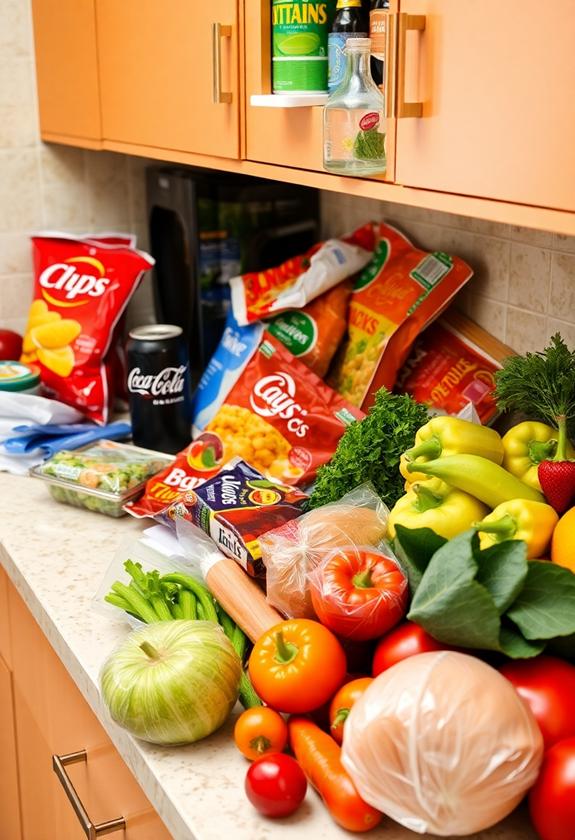
Processed foods can have a significant impact on your gut health, often in ways you might not expect. When you eat highly processed foods, you're likely getting less dietary fiber, which is essential for a healthy gut microbiome. This community of bacteria in your gut helps break down food, absorb nutrients, and keep your digestive system running smoothly. Without enough fiber, harmful bacteria can thrive, leading to inflammation and other digestive problems. Omega-3 fatty acids can help combat this inflammation, making them an important part of a balanced diet. Processed foods also often contain additives and preservatives that can disrupt your gut's balance. By choosing whole, fiber-rich foods, you can support your gut health and promote a more balanced microbiome. Your gut will thank you, and you'll feel better overall.
Long-term Health Risks
While processed foods can disrupt gut health in the short term, they also pose significant long-term health risks. If you frequently choose processed foods, you might face an increased chance of developing chronic diseases. Your dietary choices today can affect your future health in ways you might not realize. Incorporating anti-inflammatory smoothies into your daily routine can help combat these effects and support overall wellness. Here are some potential long-term risks:
- Heart Disease: High levels of unhealthy fats and sugars can lead to heart problems.
- Diabetes: Consuming too many processed foods can result in insulin resistance.
- Obesity: Processed foods are often high in calories, contributing to weight gain.
- Cancer: Certain additives and preservatives have been linked to cancer.
- Inflammation: Prolonged inflammation from poor diet can damage tissues and organs.
Tips for Reducing Processed Foods
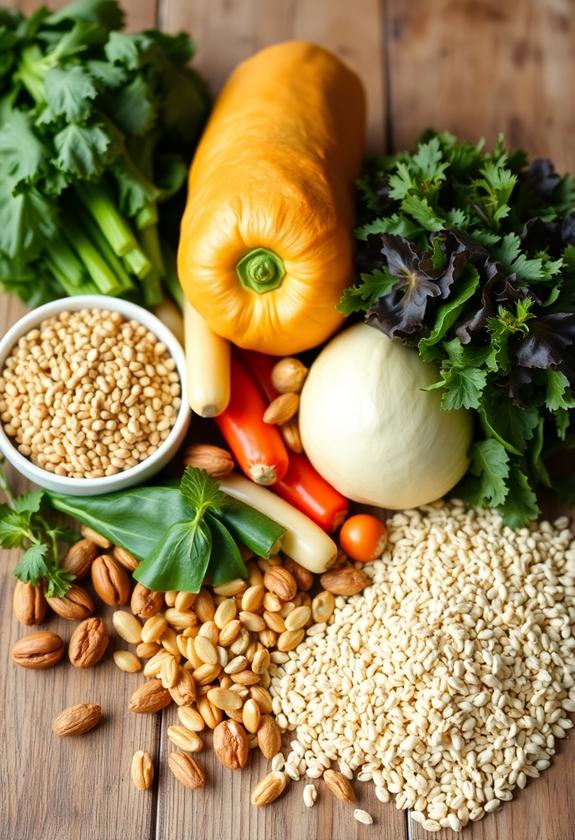
To reduce your intake of processed foods, start by focusing on whole, natural ingredients. Plan your meals ahead of time to guarantee you have healthy options ready. Meal planning helps you avoid last-minute processed food choices. Keep your pantry stocked with fresh fruits, vegetables, whole grains, and lean proteins. Creating a weekly meal plan can significantly help in reducing inflammation by guaranteeing you consistently choose anti-inflammatory foods.
When cooking, try ingredient swapping. Replace processed items with healthier alternatives. For example, swap white bread for whole grain bread and use olive oil instead of butter. These small changes can make a big difference. Also, read labels carefully to spot hidden additives and sugars. By being mindful and intentional with your choices, you'll find it easier to welcome a diet rich in natural, wholesome foods.
Frequently Asked Questions
Are There Any Processed Foods That Do Not Cause Inflammation?
You might wonder if there are processed foods that don't cause inflammation. Some options, like those made from whole foods, can fit into a balanced diet without causing issues. For instance, minimally processed items like frozen vegetables or canned beans (without added sugars or unhealthy fats) can be good choices. Just remember, maintaining dietary balance is key. It's about making thoughtful choices that support your overall health and well-being.
How Does Cooking Method Influence the Inflammatory Potential of Processed Foods?
Think of cooking techniques as the secret ingredient in a recipe. They can turn a meal into a masterpiece or a disaster. Frying and grilling processed foods often increase their inflammatory potential due to the formation of harmful compounds. Boiling or steaming, on the other hand, can reduce the impact. Food additives also play a role, as some can trigger inflammation. Choose methods wisely to keep inflammation at bay.
Can Anti-Inflammatory Supplements Counteract the Effects of Processed Foods?
Yes, anti-inflammatory supplements, especially those with anti-inflammatory herbs, can help. However, you can't rely only on these supplements to counteract processed foods. It's crucial to aim for dietary balance by including plenty of fruits, vegetables, and whole grains in your meals. Doing so will help your body manage inflammation better, giving you the energy and health you need. Remember, supplements are just part of a bigger picture!
What Role Does Portion Size Play in Processed Food-Induced Inflammation?
It's amazing how portion control can make a big difference in your health! By managing your serving sizes, you can reduce the inflammation that processed foods might cause. Coincidentally, smaller portions mean you're consuming fewer harmful ingredients, leading to less stress on your body. So, next time you're tempted, keep in mind that controlling how much you eat not only feels good but also supports your well-being.
Are There Populations More Susceptible to Inflammation From Processed Foods?
Yes, some people are more susceptible to inflammation from processed foods. If you have a genetic predisposition, you might be at higher risk. Your lifestyle factors, like stress and lack of exercise, also play a big role. Age variations matter too; older folks often face more inflammation. Plus, your gut microbiome can influence how your body reacts. Taking care of these areas can help you manage inflammation better.