Some links below are affiliate links. We earn a commission on purchases at no extra cost to you. Although our opinions are based on curated research, we haven't used these products. Article generated with AI.

Tips for Finding Organic and Non-GMO Superfoods
To find organic and non-GMO superfoods, start by familiarizing yourself with certifications like USDA Organic and Non-GMO Project Verified. Shop at farmers' markets for fresh, local produce and engage with vendors about their growing practices. Research trusted brands and carefully read ingredient lists to guarantee quality. Consider joining a Community Supported Agriculture program for regular access to local, organic goods. You can even grow some superfoods at home in containers or small gardens. When shopping, check the country of origin and don't hesitate to ask store staff about product sourcing. With these tips, you'll be well on your way to making informed, healthy choices. Let's investigate more ways to nourish your body with nature's best!
Table of Contents
hide
Key Takeaways
- Look for USDA Organic and Non-GMO Project Verified seals on product labels for certified organic and GMO-free options.
- Shop at farmers' markets and local health food stores for fresh, seasonal, and locally-sourced organic superfoods.
- Join Community Supported Agriculture (CSA) programs to access regular deliveries of local organic produce.
- Research trusted brands online, examining their sourcing practices, certifications, and customer reviews.
- Consider growing your own superfoods in containers or small gardens to ensure organic quality and freshness.
Understand Organic Certifications
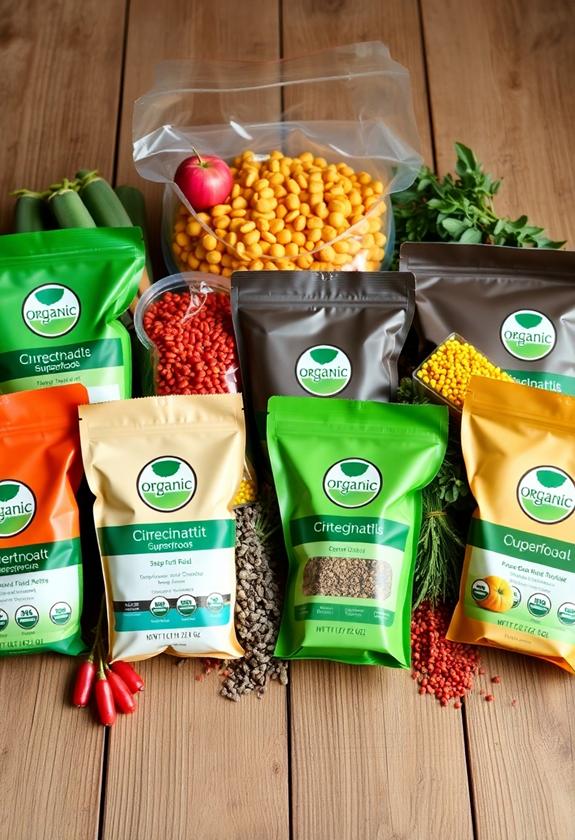
Maneuvering the world of organic certifications is essential when seeking genuine organic superfoods. You'll want to familiarize yourself with the USDA Organic seal, which guarantees that products meet strict organic farming practices. This certification process guarantees that foods are grown without synthetic pesticides, GMOs, or artificial fertilizers. When making immune-boosting smoothies, choosing organic superfoods can significantly improve their nutritional value and overall health benefits. Don't be shy about asking questions at your local health food store or farmer's market! They're often happy to share information about their organic certification processes.
Look for Non-GMO Labels
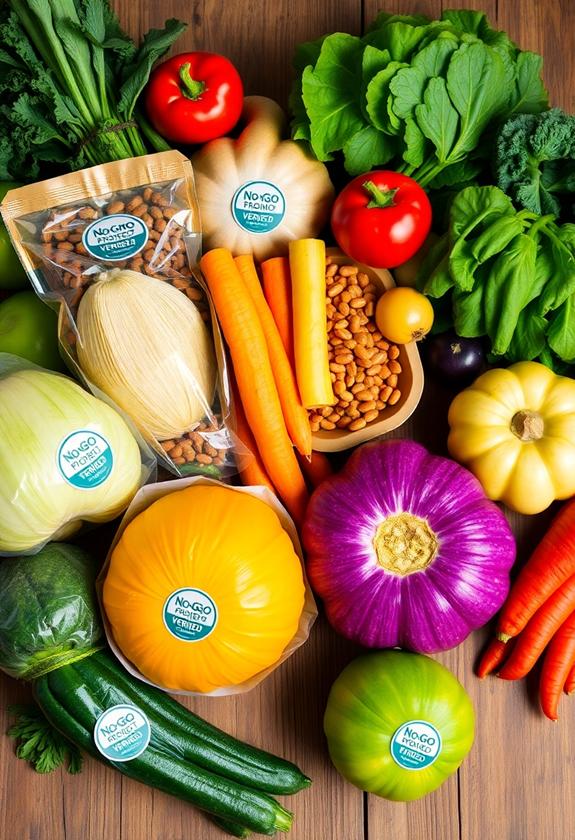
Many health-conscious consumers are increasingly concerned about genetically modified organisms (GMOs) in their food. When you're shopping for superfoods, it's crucial to grasp non-GMO definitions and labeling regulations. Look for products that carry the "Non-GMO Project Verified" seal, which indicates they've been independently tested and verified to be GMO-free. This label is your best assurance that a product doesn't contain GMOs. When selecting quality superfoods, it's vital to take into account both organic and non-GMO options to guarantee you're getting the most nutritious and natural products available.
Keep in mind that "organic" and "non-GMO" aren't always the same thing. While organic products can't contain GMOs, not all non-GMO products are organic. If you're concerned about both, look for items that carry both certifications. Remember, you're doing great by taking steps to be more aware of what's in your food. With a little practice, you'll become an expert at spotting non-GMO labels and making informed choices for your health.
Shop at Farmers' Markets
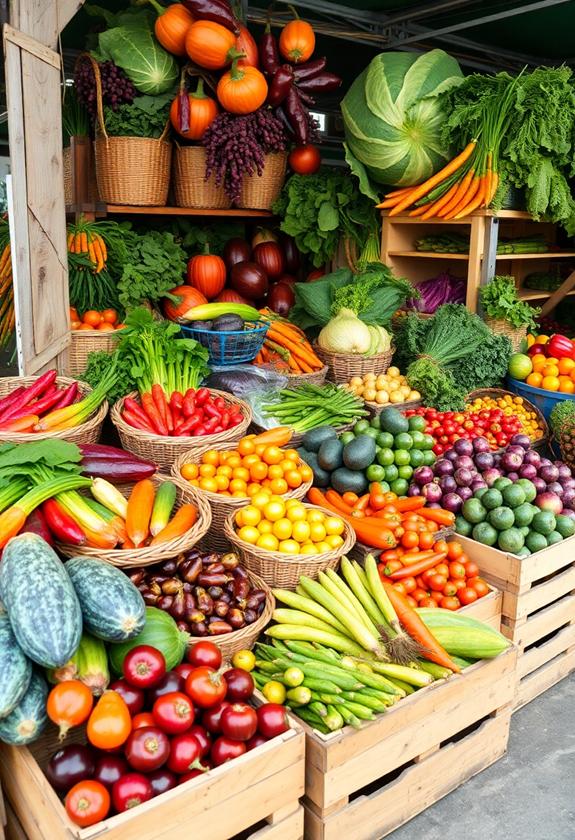
Farmers' markets offer a wealth of organic and non-GMO superfoods straight from local growers. You'll find an abundance of seasonal produce, often picked just hours before the market opens. These markets are a great way to connect with your community and learn about the food you're buying. Many farmers' markets also offer immunity-boosting superfoods like turmeric and ginger, which can be excellent additions to your diet.
When shopping at farmers' markets, keep these tips in mind:
- Ask questions about growing practices
- Look for vendors who are certified organic
- Try new, unfamiliar fruits and vegetables
You'll discover that many farmers use organic methods even if they're not officially certified. Don't be shy about striking up conversations with vendors. They're usually passionate about their products and happy to share their knowledge. By supporting local farmers' markets, you're not only getting fresh, healthy food, but you're also contributing to your community's well-being and sustainable agriculture practices.
Research Trusted Brands
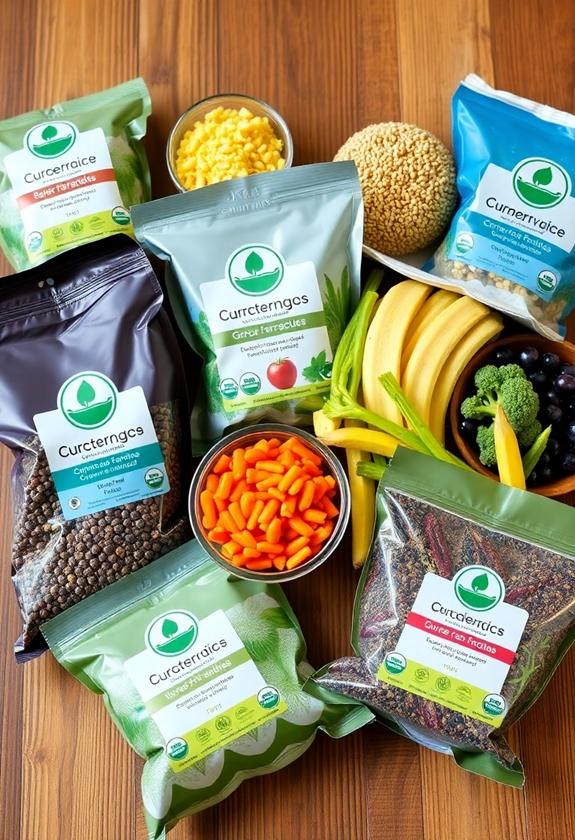
In the domain of finding organic and non-GMO superfoods, researching trusted brands is essential. You'll want to look for companies with a strong brand reputation and a commitment to product transparency. Start by exploring brands that have been in the organic and non-GMO market for a while, as they've likely established trust with consumers. Online stores specializing in superfoods can be excellent resources for discovering reputable brands and learning about their products.
Don't hesitate to dig deeper into a brand's practices. Visit their websites, read customer reviews, and check for third-party certifications. Look for brands that openly share information about their sourcing, production methods, and ingredient lists. Remember, trustworthy companies are often proud to showcase their commitment to quality and sustainability.
You can also join online communities or forums where like-minded individuals share their experiences with different brands. This way, you'll gain valuable insights and feel more confident in your choices.
Read Ingredient Lists Carefully
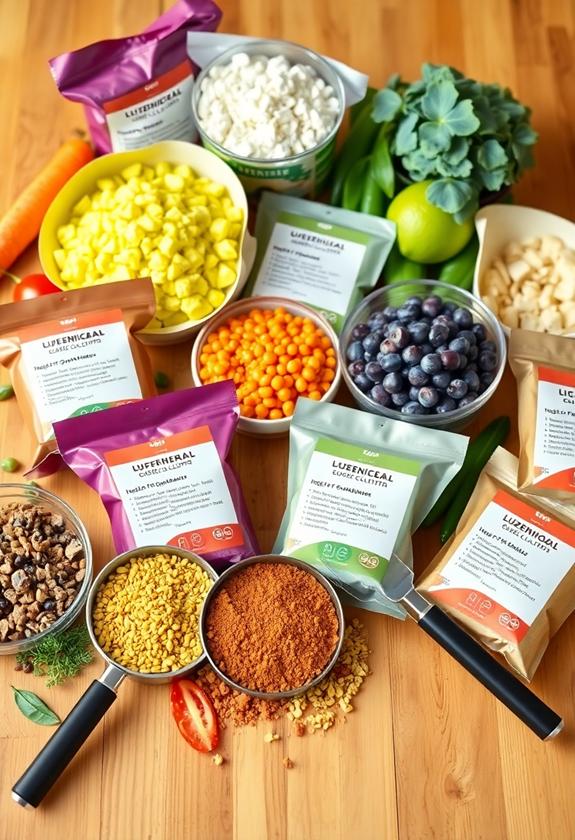
Reading ingredient lists carefully is an essential step in finding genuine organic and non-GMO superfoods. You'll want to pay close attention to label transparency and ingredient sourcing. Don't be shy about taking your time in the store to examine products thoroughly. It's your right as a consumer to know exactly what you're putting into your body! Proper storage of superfoods is also important to maintain their freshness and potency once you've brought them home. This guarantees you get the maximum nutritional benefit from your carefully selected items.
Here are three key things to look for when reading ingredient lists:
- Organic certification symbols
- Non-GMO Project Verified seal
- Clear, recognizable ingredients
Consider Local Health Food Stores
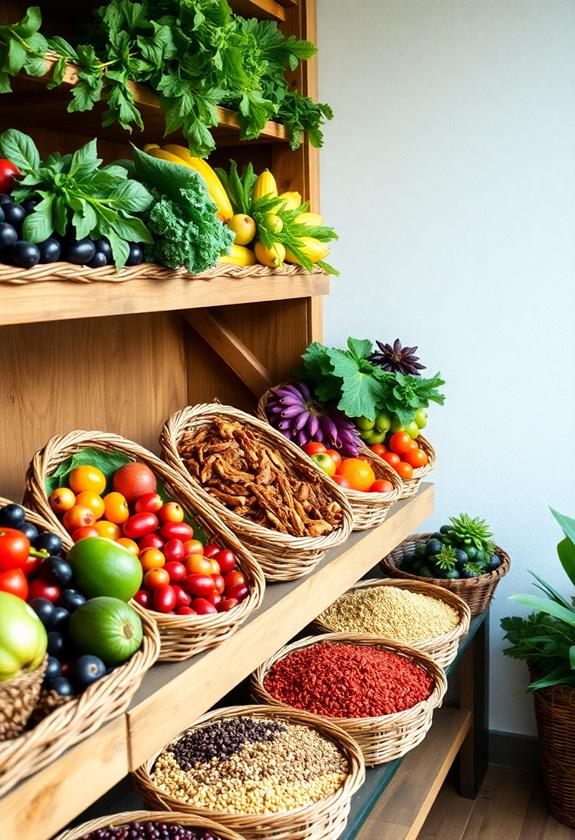
Local health food stores' shelves are often stocked with a wealth of organic and non-GMO superfoods. These specialty shops prioritize local sourcing, which means you'll find fresh, seasonal produce and unique regional items. When searching for top superfood destinations, local health food stores should be at the top of your list. They often carry a wide variety of superfoods from around the world, ensuring you have access to the best nutritional options available. The knowledgeable staff can guide you through their curated product selection, helping you discover new superfoods that align with your dietary needs and preferences.
Don't hesitate to ask questions about the origin and production methods of the items you're interested in. Many local health food stores have strong relationships with nearby farmers and producers, ensuring transparency and quality. You'll likely find a diverse range of superfoods, from familiar favorites to exotic options you might not encounter elsewhere. By supporting these stores, you're not only nourishing your body with wholesome foods but also contributing to your local economy and sustainable food practices.
Explore Online Specialty Retailers
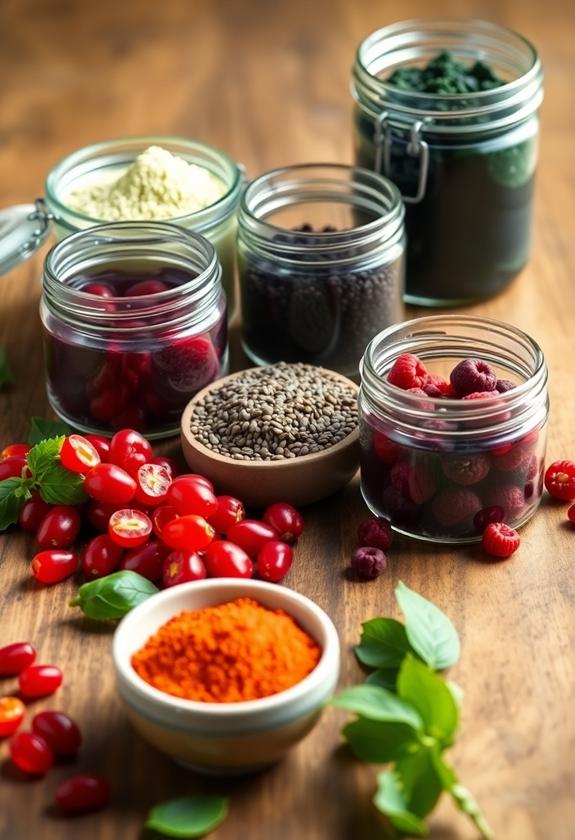
Online specialty retailers offer a vast array of organic and non-GMO superfoods at your fingertips. These virtual marketplaces are goldmines of health-boosting goodies, making it easier than ever to stock up on nutritious foods. You'll find an impressive selection of specialty products that might not be available at your local stores, from exotic berries to ancient grains. Many of these online retailers specialize in essential superfoods that are packed with nutrients and antioxidants, helping you maximize your health benefits.
When exploring online retailers for superfoods, keep these tips in mind:
- Read customer reviews to gauge product quality and freshness
- Compare prices across different sites to verify you're getting the best deal
- Check shipping policies, as some items may require special handling
Don't be afraid to try new things! These online shops often feature unique, hard-to-find superfoods that can add excitement to your meals. With just a few clicks, you'll be well on your way to a pantry full of nutritious, organic, and non-GMO options.
Join Community Supported Agriculture Programs
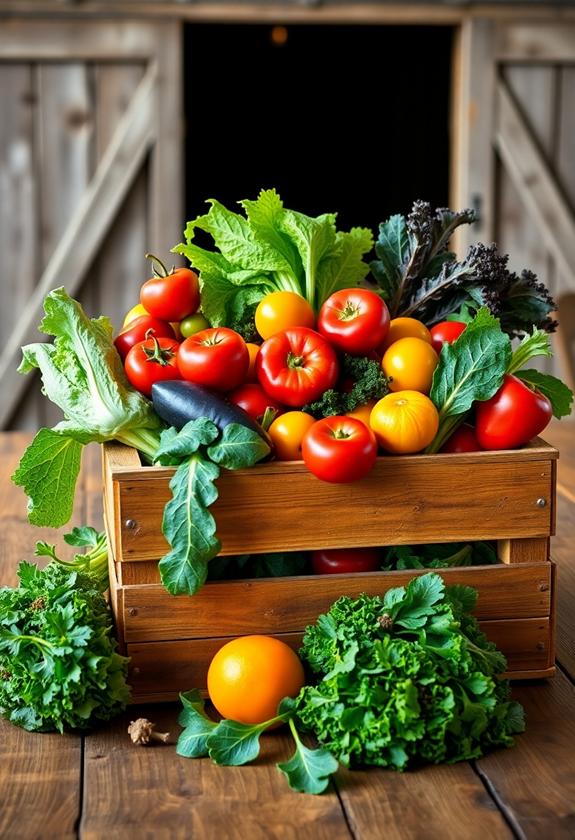
Joining a Community Supported Agriculture (CSA) program can be a game-changer for those seeking organic and non-GMO superfoods. When you become a CSA member, you're not just getting fresh, seasonal produce; you're embracing community engagement and supporting local farmers. You'll receive a weekly or bi-weekly box of freshly harvested fruits and vegetables, often including unique and nutritious superfoods you might not find elsewhere. Many CSA programs offer essential superfoods that are perfect for creating nutrient-packed smoothies, ensuring you get the most out of your membership.
CSAs offer a wonderful opportunity to expand your palate and learn about new, nutrient-dense foods. You'll enjoy the excitement of each delivery, never knowing exactly what delicious surprises await you. Plus, you'll develop a deeper connection to the land and the farmers who grow your food. It's a heartwarming experience that nourishes both body and soul, while ensuring you're consuming the healthiest, most natural produce available.
Grow Your Own Superfoods
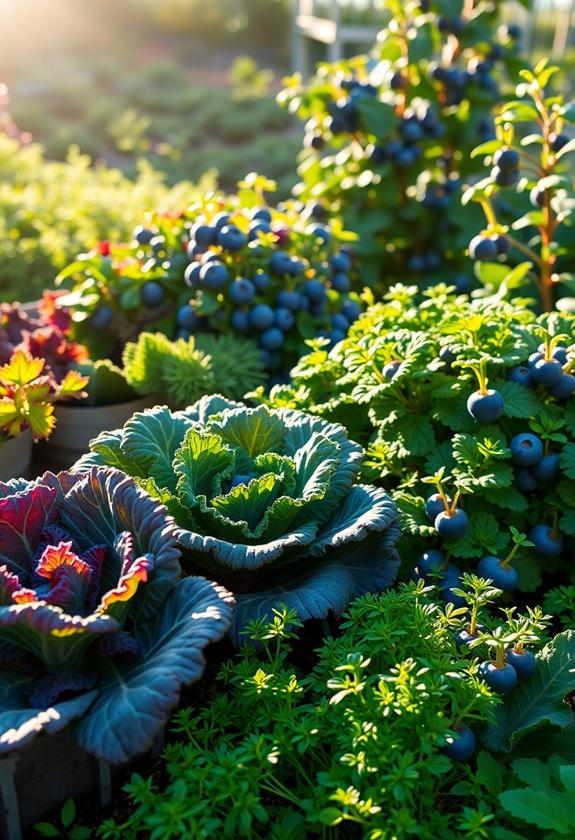
Gardeners and health enthusiasts alike can take control of their superfood consumption by growing their own nutrient-dense crops. It's easier than you might think, and you don't need a large backyard to get started. Container gardening is perfect for small spaces, allowing you to cultivate superfoods on balconies, patios, or even windowsills. Vertical farming techniques can maximize your growing area, letting you produce more in less space. Detox smoothie superfoods can be easily incorporated into your garden plan, providing you with fresh ingredients for nutritious blends right at your fingertips.
To begin your superfood garden adventure:
- Choose easy-to-grow superfoods like kale, blueberries, or cherry tomatoes
- Invest in quality organic soil and seeds
- Learn about proper watering and sunlight needs for each plant
You'll love the satisfaction of harvesting your own fresh, organic superfoods. Not only will you save money, but you'll also have peace of mind knowing exactly how your food was grown. It's a rewarding experience that connects you to nature and nourishes your body.
Check for Country of Origin
Awareness of a superfood's origin is essential when seeking organic and non-GMO options. When you're shopping, take a moment to check the country of origin on the packaging. Different countries have varying import regulations and standards for organic certification. Some nations have stricter rules, while others may be more lenient. By knowing where your superfoods come from, you'll have a better idea of their quality and growing practices. Proper storage techniques can also help maintain the nutritional value of superfoods once you've purchased them, ensuring you get the most benefit from your organic choices.
Look for products with sourcing transparency, where companies openly share information about their farms and suppliers. This openness is a good sign that they're committed to quality. Don't hesitate to research a country's agricultural practices if you're unsure. Remember, your health is worth the extra effort! By being mindful of origin, you're taking a proactive step towards ensuring you're getting the best organic and non-GMO superfoods for your body.
Ask Questions at Stores
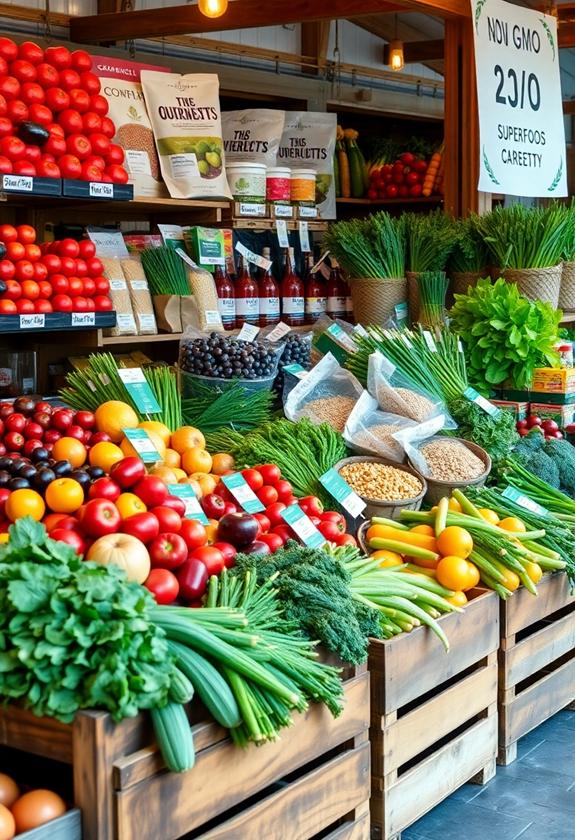
At your local grocery store or health food shop, don't hesitate to ask questions about the organic and non-GMO superfoods they offer. The staff is often knowledgeable and happy to help you make informed choices. You'll find that asking questions can lead to valuable insights about product sourcing and vendor transparency. When looking for superfoods for skin health, it's especially important to inquire about their origin and quality. These nutrient-dense foods can significantly impact your skin's appearance and overall health. Here are three key questions you can ask:
- Where do these superfoods come from?
- How does the store guarantee products are truly organic or non-GMO?
- Can you provide information about the farmers or producers?
Frequently Asked Questions
Are Organic Superfoods Always More Expensive Than Conventional Options?
Picture a garden where health blossoms like vibrant flowers. You'll find that organic superfoods aren't always more expensive than conventional options. While doing a price comparison, you'll often see higher price tags on organic items. But don't let that discourage you! It's important to do a value assessment, considering the long-term benefits to your health and the environment. Sometimes, you'll discover organic options that are competitively priced or even cheaper. Remember, investing in your well-being is always worth it!
Can Frozen or Canned Superfoods Be Organic and Non-Gmo?
You'll be thrilled to know that frozen and canned superfoods can indeed be organic and non-GMO. Frozen superfood benefits include preserving nutrients at their peak, while canned superfood nutrition often rivals fresh options. When you're shopping, look for labels that clearly state "organic" and "non-GMO." You'll find plenty of choices, from frozen berries to canned beans. It's wonderful that you can enjoy these nutritious options year-round, without compromising on your values or health goals.
How Long Do Organic Superfoods Typically Last Compared to Conventional Ones?
Time flies when you're eating healthy! You'll be glad to know that organic superfoods often have a similar shelf life to conventional ones. However, their nutrient retention might be better. Without synthetic preservatives, some organic produce may spoil a bit faster, but don't worry! You can extend their life by storing them properly. Remember, fresher is always better for maximum nutrition. Welcome the natural cycle of foods, and you'll enjoy the benefits of these powerhouse ingredients to their fullest!
Are There Any Superfoods That Are Naturally Non-Gmo Without Certification?
You'll be happy to know that many superfoods are naturally non-GMO without needing certification. Nature's bounty offers plenty of options! Fruits like blueberries, pomegranates, and acai berries are great choices. You'll also find natural sources in leafy greens like kale and spinach. These foods aren't just non-GMO, they're packed with amazing health benefits too! Don't forget about nuts and seeds, like chia and flax, which are naturally non-GMO and super nutritious. Enjoy exploring these wonderful, natural superfoods!
Can Organic and Non-Gmo Superfoods Be Found in Regular Grocery Stores?
Time's ripe for good news! You can find organic and non-GMO superfoods in many regular grocery stores. They're not as rare as hen's teeth anymore. Keep an eye out for clear product labeling that says "organic" or "non-GMO." Many stores now have dedicated sections for these items. Local sourcing is also becoming more common, so you might find fresh, locally-grown options too. Don't be shy to ask store staff for help – they're often happy to guide you to these healthier choices.