Some links below are affiliate links. We earn a commission on purchases at no extra cost to you. Although our opinions are based on curated research, we haven't used these products. Article generated with AI.

Common Myths About Superfoods Debunked
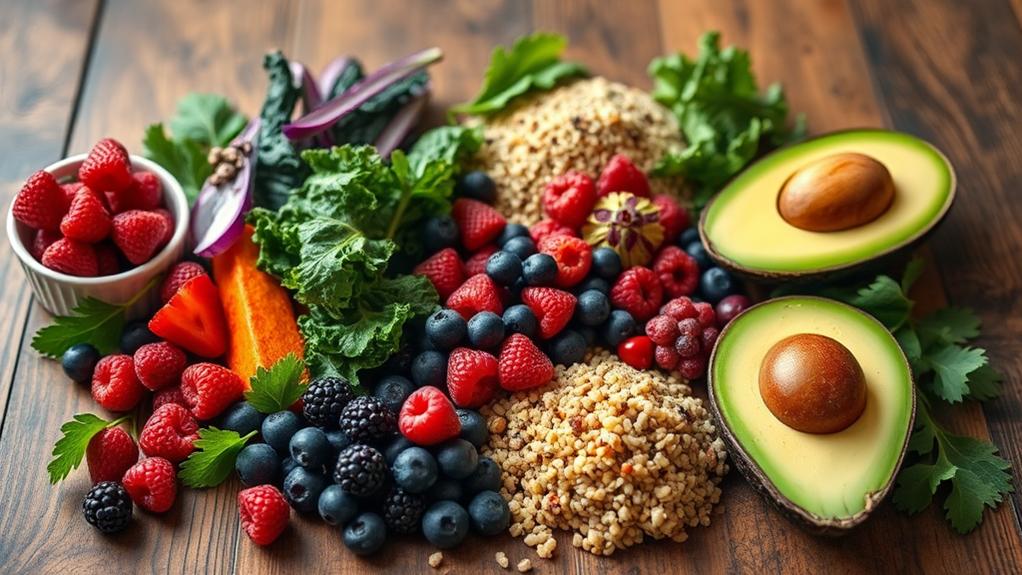
You’ve likely heard about superfoods and their supposed magical health benefits, but many of these claims are based on myths. Superfoods aren’t miracle cures or guaranteed weight loss solutions. They can’t replace a balanced diet or prescribed medications. Not all organic foods are superfoods, and expensive doesn’t always mean better nutrition. While berries are nutritious, they’re not all created equal. Superfoods don’t actively detoxify your body, and exotic options aren’t necessarily superior to common foods. Remember, there’s no instant fix; long-term, consistent consumption is key. By understanding these myths, you’ll be better equipped to make informed choices about your diet and overall health.
Table of Contents
hide
Key Takeaways
- Superfoods are not miracle cures; they should be part of a balanced diet for optimal health.
- No single superfood can meet all nutritional needs; variety is key for overall wellness.
- Organic foods aren’t automatically superfoods; nutritional profiles can be similar to conventional produce.
- Superfoods alone don’t cause weight loss; a calorie deficit and balanced diet are necessary.
- Expensive superfoods aren’t always more nutritious; many affordable alternatives offer similar benefits.
Miracle Cures for Diseases
We’ve all heard the claims: this superfood will cure cancer, that one will reverse heart disease. It’s tempting to believe these miracle cures exist, especially when you’re facing health challenges.
But it’s important to approach these claims with caution and a healthy dose of skepticism.
While many superfoods are indeed packed with nutrients and can contribute to overall health, they’re not magic bullets. No single food can cure complex diseases on its own. Instead, think of superfoods as part of a balanced, nutritious diet that supports your well-being.
Remember, your body is wonderfully complex, and healing often requires a multifaceted approach. This might include a healthy diet, regular exercise, stress management, and proper medical care.
Don’t feel discouraged if a superfood doesn’t live up to its miraculous promises. You’re not doing anything wrong!
Focus on building a varied diet full of fruits, vegetables, whole grains, and lean proteins. These foods work together to nourish your body and support your health.
While superfoods can be a great addition, they’re just one piece of the puzzle in your journey to wellness.
Superfoods Replace Balanced Diets
Occasionally, you’ll hear claims that consuming a handful of superfoods can replace a balanced diet. While it’s tempting to believe this simple solution, it’s important to understand that your body needs a variety of nutrients to function properly. Superfoods are certainly nutritious, but they can’t provide everything you need on their own.
Instead of relying solely on superfoods, focus on creating a well-rounded diet that includes a mix of fruits, vegetables, whole grains, lean proteins, and healthy fats. This approach guarantees you’re getting a wide range of vitamins, minerals, and other essential nutrients. Remember, there’s no single food that can meet all your nutritional needs.
Don’t feel discouraged if you can’t afford or access trendy superfoods. Many everyday foods are just as nutritious and can be part of a healthy diet. For example, apples, spinach, and beans are all packed with nutrients and are often more affordable than exotic superfoods.
The key is to eat a variety of colorful, whole foods and to listen to your body’s needs. You’re doing great by focusing on your health, and every small step counts!
All Organic Foods Are Superfoods
A common misconception is that all organic foods automatically qualify as superfoods. While organic foods are often healthier choices, they’re not all superfoods. Organic simply means the food is grown without synthetic pesticides or fertilizers. It doesn’t guarantee that the food is packed with exceptional nutrients.
You’ll find that many organic foods are nutritious, but they’re not necessarily more nutrient-dense than their conventional counterparts. For example, organic apples and conventional apples have similar nutritional profiles. What matters most is the type of food you’re eating, not whether it’s organic.
Don’t worry, though! Choosing organic can still be a great option. It often means you’re avoiding harmful chemicals and supporting sustainable farming practices.
Just remember, a balanced diet with a variety of fruits, vegetables, whole grains, and lean proteins is key to good health. Whether you opt for organic or conventional, focus on eating a rainbow of foods to get a wide range of nutrients. You’re doing great by being mindful of your food choices!
Superfoods Guarantee Weight Loss

One of the most persistent myths about superfoods is that they guarantee weight loss. While it’s true that many superfoods are nutrient-dense and can support a healthy diet, they aren’t magical solutions for shedding pounds. You might be surprised to learn that even the most nutritious foods can contribute to weight gain if consumed in excess.
The key to weight loss is creating a calorie deficit, which means burning more calories than you consume. Superfoods can certainly help you achieve this goal, as they often provide essential nutrients with fewer calories. However, they won’t do the work for you.
It’s important to bear in mind that a balanced diet and regular exercise are vital for sustainable weight loss.
Don’t be discouraged, though! Incorporating superfoods into your meals can still be incredibly beneficial. They can help you feel fuller for longer, provide energy for workouts, and support your overall health.
Just keep in mind to enjoy them as part of a well-rounded diet, rather than relying on them as a quick fix for weight loss.
Expensive Equals Superior Nutrition
Another common misconception about superfoods is that a higher price tag equates to better nutritional value. This isn’t always true! You don’t need to break the bank to eat healthily. Many affordable, everyday foods pack just as much nutritional punch as their pricier counterparts.
Let’s bust this myth by looking at some budget-friendly alternatives that are just as nutritious:
- Instead of expensive goji berries, try locally grown blueberries
- Swap out costly quinoa for equally nutritious brown rice
- Replace pricey chia seeds with fiber-rich flaxseeds
Remember, nutrition isn’t about how much you spend, but about making smart choices. Local, seasonal produce is often more affordable and just as nutritious as exotic superfoods.
You’ll find plenty of vitamins, minerals, and antioxidants in common fruits and vegetables.
Don’t let high prices discourage you from eating well. With a little knowledge and creativity, you can build a nutrient-rich diet without overspending.
Focus on variety, whole foods, and balance. You’ll be amazed at how much goodness you can pack into your meals without emptying your wallet!
Raw Superfoods Are Always Better
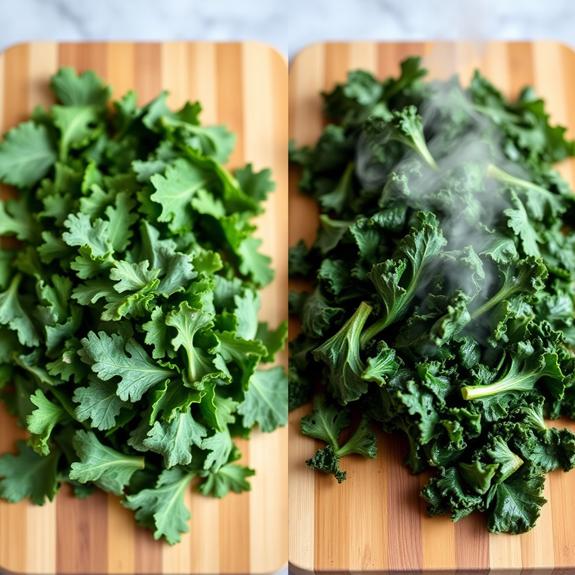
Raw food enthusiasts often claim that uncooked superfoods are nutritionally superior to their cooked counterparts. While it’s true that some nutrients can be lost during cooking, this isn’t always the case. In fact, cooking can sometimes improve the nutritional value of certain foods.
For example, when you cook tomatoes, you actually increase the amount of lycopene, a powerful antioxidant, that your body can absorb. Likewise, cooking carrots makes their beta-carotene more available to your body. It’s important to keep in mind that your body’s ability to absorb nutrients is just as significant as the nutrients present in the food itself.
Some superfoods, like quinoa and beans, need to be cooked to be safely consumed and easily digested. Raw doesn’t always mean better – it’s about finding the right balance.
You don’t need to switch to a completely raw diet to reap the benefits of superfoods. Instead, focus on incorporating a mix of raw and cooked foods into your meals. This way, you’ll get the best of both worlds and make sure you’re giving your body a wide range of essential nutrients.
Superfoods Can Replace Medication

While superfoods can unquestionably boost your health, it’s dangerous to believe they can replace prescribed medications. Your doctor prescribes medicines for specific reasons, and they’re often essential for managing health conditions.
Superfoods, though nutritious, aren’t a substitute for these carefully designed treatments. It’s important to understand that superfoods work best as part of a balanced diet, not as a miracle cure. They can support your overall health, but they can’t treat serious medical conditions on their own.
Here’s why you shouldn’t replace your medication with superfoods:
- Medications are tailored to your specific health needs
- Superfoods lack the precise dosage and potency of medicines
- Stopping prescribed medications can lead to serious health risks
Local Produce Isn’t Super
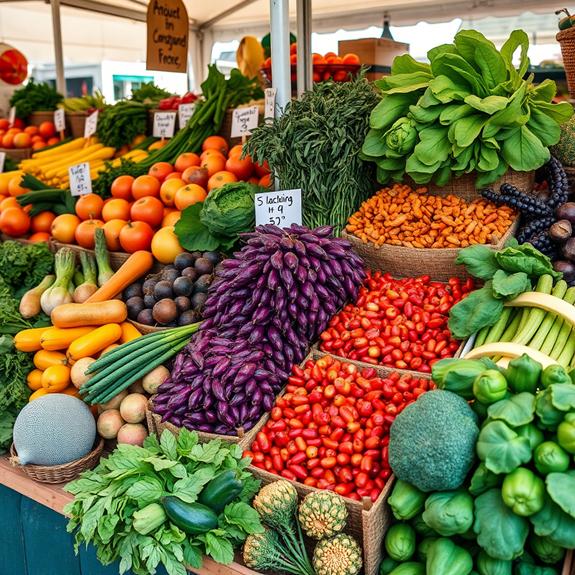
The local-produce craze has led many to believe that fruits and vegetables from nearby farms are inherently more nutritious than their imported counterparts. However, this isn’t always the case.
While local produce can be incredibly fresh and delicious, its nutritional value depends on various factors, not just its origin.
You’ll be happy to know that both local and non-local produce can be equally nutritious. What matters most is how the food is grown, harvested, and stored. Factors like soil quality, farming practices, and the time between harvest and consumption play essential roles in determining a food’s nutritional content.
Don’t worry if you can’t always buy local. Imported produce can be just as healthy, especially if it’s frozen shortly after harvest, which preserves nutrients.
The key is to focus on eating a variety of fruits and vegetables, regardless of their source. Remember, it’s the overall balance of your diet that counts.
Superfood Supplements Match Whole Foods
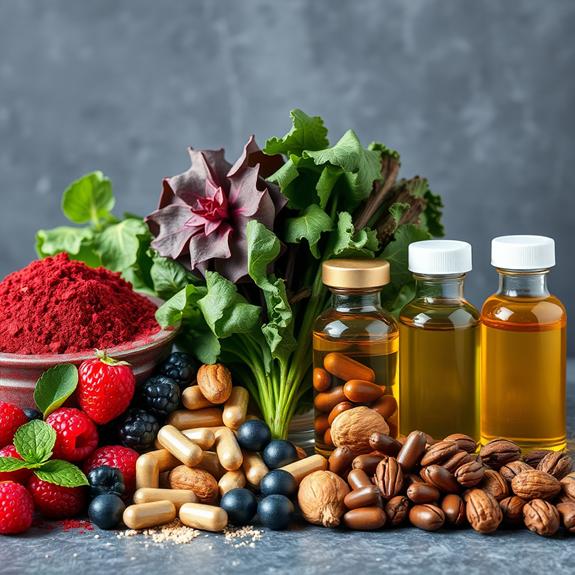
Despite the allure of superfood supplements, they often fail to match the nutritional complexity of whole foods. You might be tempted by the convenience of popping a pill or mixing a powder, but nature’s packaging is hard to beat. Whole foods offer a symphony of nutrients that work together in ways we’re still discovering.
When you choose whole foods over supplements, you’re getting:
- A full spectrum of vitamins, minerals, and phytonutrients
- Natural fiber that supports digestive health
- Compounds that improve nutrient absorption
Your body knows how to process real food, and it’s been doing so for thousands of years. Supplements, while sometimes helpful, can’t replicate the intricate balance found in an apple or a handful of spinach. They’re often isolated nutrients that miss out on the synergistic effects of whole foods.
Don’t worry if you can’t always eat perfectly. Just keep in mind that adding more whole foods to your diet is a wonderful step towards better health.
Welcome the colors, textures, and flavors of real food. Your body will thank you for it!
All Berries Are Superfoods
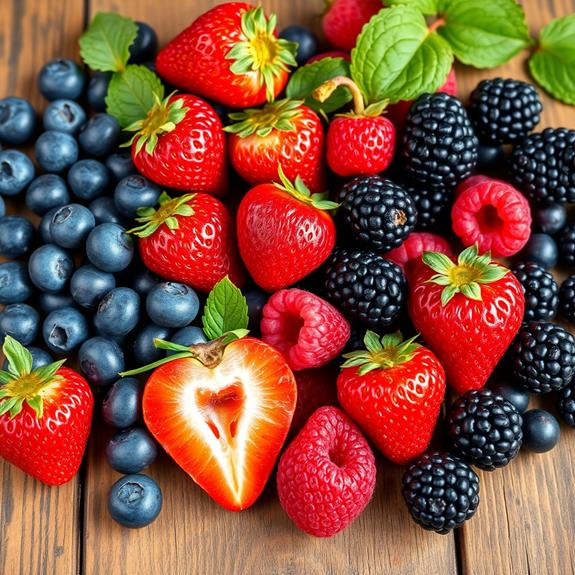
Berries often get lumped together as superfoods, but not all berries are created equal. While many berries offer fantastic health benefits, it’s important to understand that they vary in their nutritional profiles. You’ll find that some berries, like blueberries and acai, are packed with antioxidants and vitamins, earning their superfood status.
Others, while still nutritious, may not quite reach that level.
Don’t worry, though! This doesn’t mean you should avoid certain berries. In fact, incorporating a variety of berries into your diet is a great idea. Each type brings its own unique set of nutrients to the table.
For example, strawberries are high in vitamin C, while raspberries are rich in fiber. Goji berries are known for their protein content, and blackberries offer a good dose of vitamin K.
Superfoods Detoxify the Body
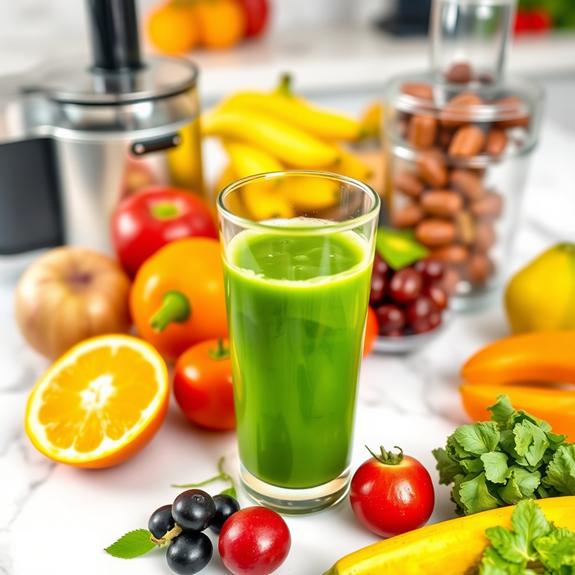
While berries offer various health benefits, they’re not magical detoxifiers. The idea that superfoods can “detoxify” your body is a common misconception.
In reality, your body has its own natural detoxification system that works around the clock to keep you healthy. Your liver, kidneys, and digestive system are constantly working to remove toxins and waste from your body.
Instead of relying on so-called superfoods for detoxification, you can support your body’s natural processes by:
- Staying hydrated with plenty of water
- Eating a balanced diet rich in fruits and vegetables
- Getting regular exercise to promote good circulation
While certain foods can provide nutrients that support your body’s functions, they don’t actively “detoxify” you.
It’s important to understand that a healthy lifestyle, rather than any single food, is key to maintaining your body’s natural detoxification processes.
Exotic Superfoods Beat Common Foods
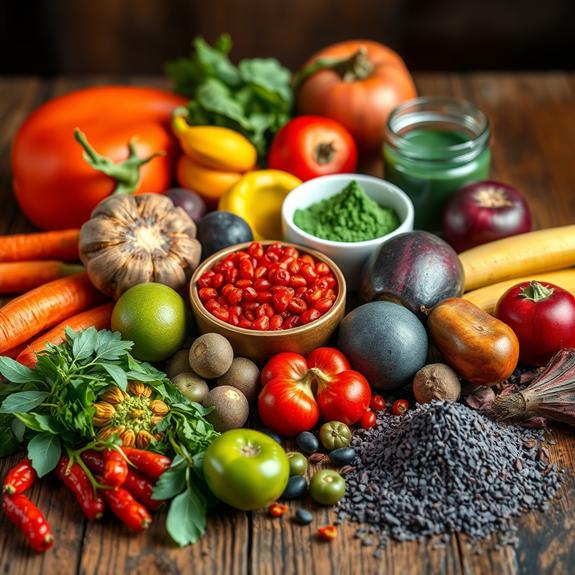
Many people believe that exotic superfoods from far-off lands are inherently superior to common, locally available foods. While it’s exciting to try new ingredients from around the world, you don’t need to break the bank or travel far to get great nutrition.
In fact, many everyday foods pack just as much of a nutritional punch as their exotic counterparts.
For example, you might hear about the amazing benefits of goji berries, but did you know that locally grown blueberries are just as rich in antioxidants?
Or that kale, a common leafy green, is just as nutrient-dense as trendy moringa leaves? It’s true!
Your local produce section is full of “superfoods” that are often more affordable and fresher than imported options.
Superfoods Provide Instant Results
Another common misconception about superfoods is that they’ll provide instant, miraculous health benefits. While it’s tempting to believe in quick fixes, the truth is that superfoods work best as part of a balanced, long-term diet. You won’t wake up with superpowers after eating a handful of goji berries or drinking a kale smoothie!
Instead, superfoods offer gradual, cumulative benefits when consumed regularly. They’re packed with nutrients that support your body’s functions over time. Remember, good health is a journey, not a destination.
Here are some key points to keep in mind:
- Superfoods complement a healthy lifestyle; they don’t replace it
- Consistent consumption yields better results than sporadic indulgence
- Patience is key – your body needs time to absorb and utilize nutrients
Don’t be discouraged if you don’t see immediate changes. Your body is working hard behind the scenes, using these nutritious foods to support your overall health.
Accept the process and enjoy the delicious variety that superfoods bring to your meals. With time and dedication, you’ll likely notice improvements in your energy, digestion, and general well-being.
Frequently Asked Questions
How Do Superfoods Interact With Common Medications?
You’ll want to be careful when mixing superfoods with your medications. Some, like grapefruit, can interfere with how your body processes certain drugs.
It’s always best to talk to your doctor or pharmacist about potential interactions. They’ll help you understand which superfoods are safe to enjoy with your medications.
Remember, even natural foods can be powerful, so it’s important to be informed.
Don’t worry, though – with the right guidance, you can still enjoy many nutritious superfoods safely!
Can Children Safely Consume All Superfoods?
While many superfoods are safe for children, you’ll want to be cautious with some. Most fruits, vegetables, and whole grains are great for kids, but certain superfoods mightn’t be suitable.
For example, raw kale can be tough on young stomachs, and some nuts pose choking hazards for little ones. It’s always best to introduce new foods gradually and consult with your pediatrician.
Are There Any Superfoods That Should Be Avoided During Pregnancy?
While superfoods can be great for your health, you’ll want to be careful during pregnancy. Some foods to avoid include raw sprouts, unpasteurized dairy, and certain fish high in mercury.
It’s best to limit your caffeine intake, so go easy on green tea and dark chocolate. Always wash fruits and veggies thoroughly, and cook your eggs well.
Don’t worry though, there are still plenty of safe superfoods to enjoy! Just check with your doctor if you’re unsure about anything.
How Long Do Superfoods Retain Their Nutritional Value After Harvesting?
Like a flower’s bloom fading with time, superfoods gradually lose their nutritional punch after harvest. You’ll want to savor them quickly!
Most retain their peak goodness for about 3-5 days when stored properly. After that, they’re still nutritious, but their superpowers start to wane.
Don’t worry, though – frozen superfoods can keep their nutrients locked in for months.
Are There Any Potential Side Effects of Consuming Too Many Superfoods?
While superfoods are incredibly nutritious, you can have too much of a good thing! If you consume excessive amounts, you might experience digestive issues like bloating or diarrhea.
Some superfoods can interact with medications, so it’s important to check with your doctor. You could also risk nutrient imbalances if you focus too heavily on just a few foods.