Some links below are affiliate links. We earn a commission on purchases at no extra cost to you. Although our opinions are based on curated research, we haven't used these products. Article generated with AI.

How to Adjust Smoothies for Different Dietary Needs
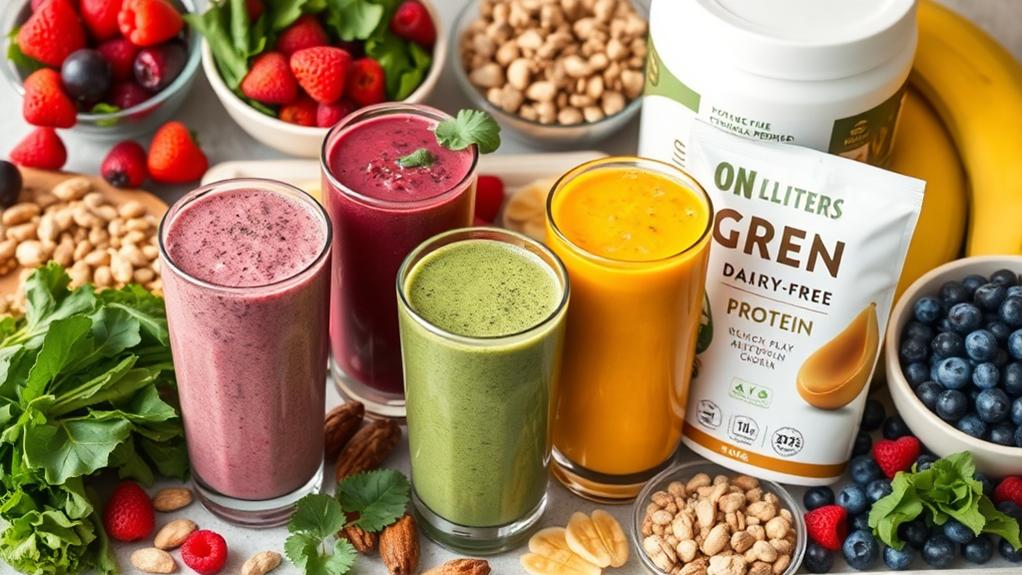
You can easily customize smoothies to fit various dietary needs by making smart ingredient swaps. For low-carb or keto diets, focus on berries and add healthy fats like avocado. If you're going dairy-free or vegan, try plant-based milks and yogurts. Boost protein with Greek yogurt, nut butters, or protein powders. For paleo or AIP diets, stick to whole foods and avoid processed ingredients. FODMAP-friendly smoothies can include low-FODMAP fruits and lactose-free milk alternatives. Don't forget to take into account portion sizes and overall nutrient balance, especially for weight management. With a little creativity, you'll be whipping up delicious, personalized smoothies in no time. The possibilities are endless when you know which ingredients work best for your needs.
Table of Contents
hide
Key Takeaways
- Customize smoothie ingredients based on specific dietary needs like low-carb, dairy-free, or gluten-free requirements.
- Use alternative sweeteners like stevia or monk fruit for sugar-free options without compromising taste.
- Incorporate protein sources appropriate for different diets, such as plant-based proteins for vegans or collagen for paleo diets.
- Adjust liquid bases to accommodate dietary restrictions, using options like almond milk, coconut water, or lactose-free milk.
- Add nutrient-dense ingredients like leafy greens, chia seeds, or berries to boost nutritional value across various dietary needs.
Low-Carb Smoothie Modifications
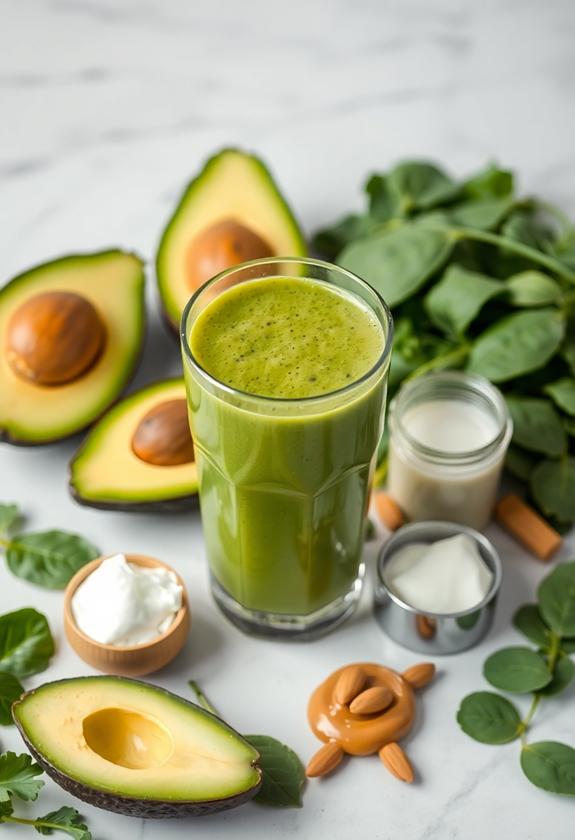
Many people following low-carb diets often think smoothies are off-limits. But don't worry! You can still enjoy these refreshing drinks with some smart modifications. Start by choosing low-carb fruits like berries, which are naturally lower in sugar. For creamy alternatives, try unsweetened almond milk or coconut cream. Add a scoop of protein powder to keep you full and satisfied. Protein is essential for satiety and helps maintain muscle mass, making it a vital component in meal replacement smoothies. Boost the fiber content with chia seeds or flax meal, which also help thicken your smoothie. Don't forget flavor boosters like cinnamon or vanilla extract to make your drink more exciting. Incorporate vegetable additions like spinach or cucumber for extra nutrients without the carbs. Pay attention to nutrient timing, enjoying your smoothie as a post-workout refuel. Finally, practice portion control by using smaller serving sizes. With these tips, you'll create delicious, low-carb smoothies that fit perfectly into your diet!
Keto-Friendly Smoothie Ingredients
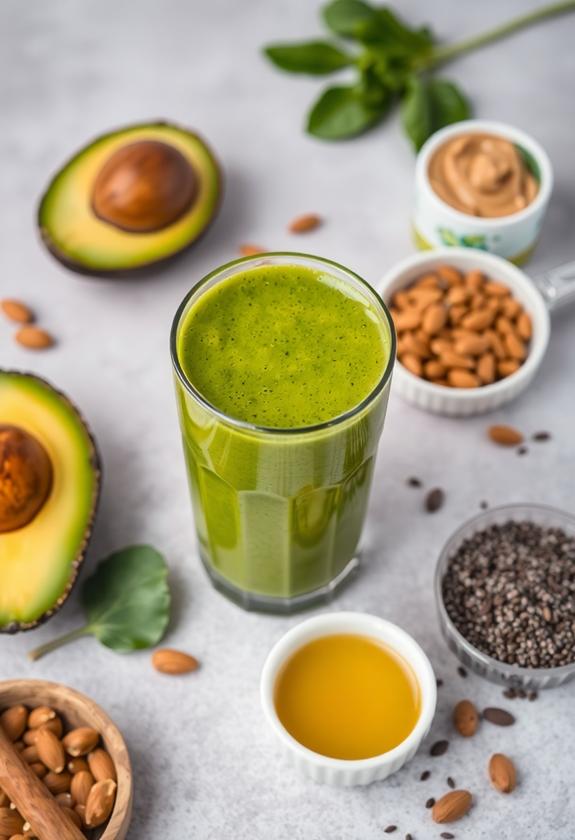
When crafting a keto-friendly smoothie, what ingredients should you reach for? The key is to focus on keto ingredients that are low in carbs and rich in healthy fats. You'll want to start with a base of unsweetened almond milk or coconut milk, which are both excellent low-carb options. For thickness and creaminess, add avocado or full-fat Greek yogurt. These not only provide healthy fats but also give your smoothie a luxurious texture. Vegan meal replacements can also benefit from the inclusion of healthy fats, which help promote satiety and provide essential nutrients.
Don't forget to include some nutrient-dense greens like spinach or kale. They're low in carbs but packed with vitamins. For sweetness without the sugar, try a small amount of stevia or monk fruit extract. You can also add flavor with sugar-free extracts like vanilla or almond. Remember, the goal is to keep carbs low while maximizing nutrition and taste.
Dairy-Free Smoothie Alternatives
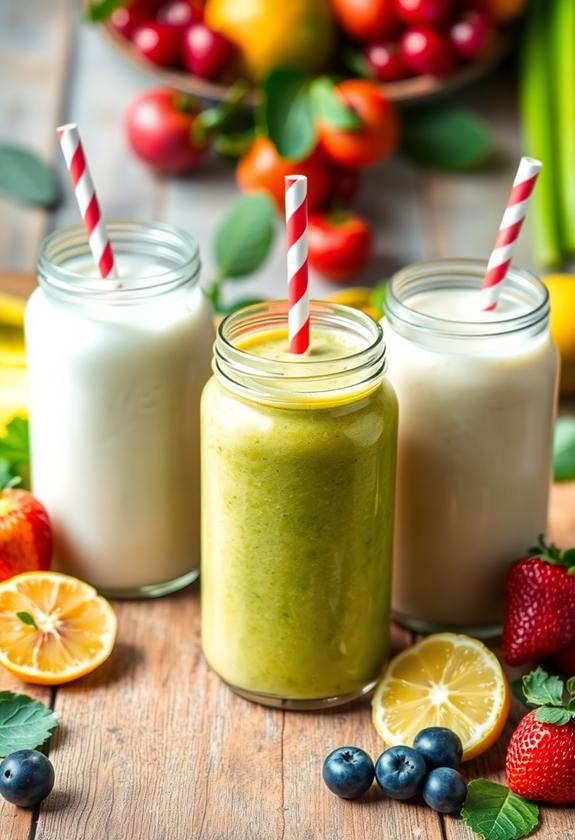
For those with lactose intolerance or dairy allergies, creating delicious smoothies doesn't have to be a challenge. You've got plenty of options to make your favorite blends creamy and satisfying without dairy. Try coconut milk for a tropical twist, or go for almond yogurt to add thickness and protein. Hemp milk and cashew cream offer unique flavors and textures, while soy milk and oat milk are classic choices. When tailoring smoothies for kids, consider using sweeter non-dairy alternatives like flavored almond milk or coconut yogurt to appeal to their taste preferences. For a thinner consistency, flaxseed milk works well. If you're missing that creamy banana base, don't worry! Avocado makes an excellent substitute, providing healthy fats and a velvety texture. For an extra boost of nutrients and thickness, consider adding chia pudding to your smoothie. With these dairy-free alternatives, you'll be whipping up delicious, allergy-friendly smoothies in no time!
Vegan Smoothie Options
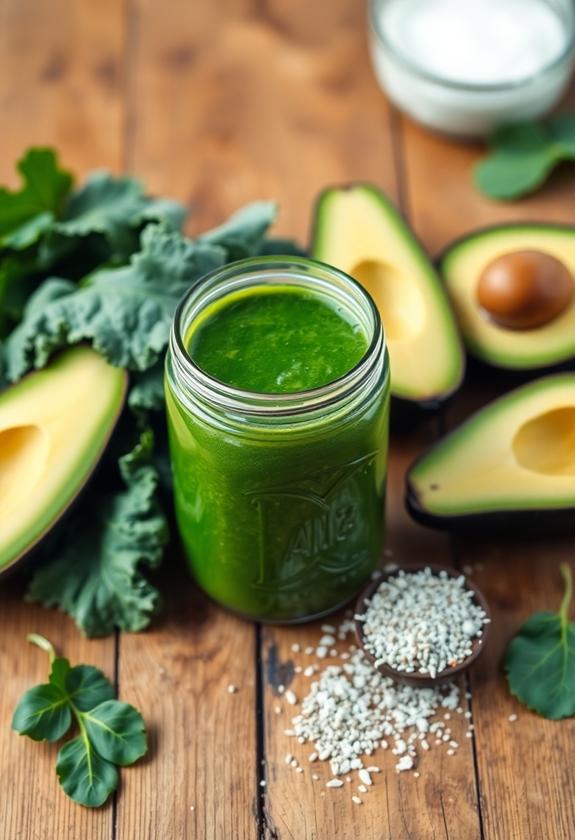
Countless vegan smoothie options await those seeking plant-based alternatives. You'll find a world of delicious and nutritious choices that cater to your lifestyle. Experiment with plant-based proteins like pea, hemp, or soy to boost your smoothie's staying power. For an extra protein punch, consider adding vegan protein sources like chia seeds, hemp hearts, or spirulina to your blend. Try exciting fruit combinations, mixing tropical flavors with berries for a burst of antioxidants. Don't forget to add superfood additions like chia seeds or spirulina for extra nutrient density.
Play with texture variations by using frozen fruits or adding oats for a thicker consistency. Incorporate seasonal ingredients to keep your smoothies fresh and exciting year-round. For a heartier option, try creating smoothie bowls topped with nuts and granola. Investigate unique flavor pairings, like chocolate and avocado, to tantalize your taste buds. These vegan smoothies make excellent breakfast alternatives or meal replacements, ensuring you start your day right.
High-Protein Smoothie Boosters
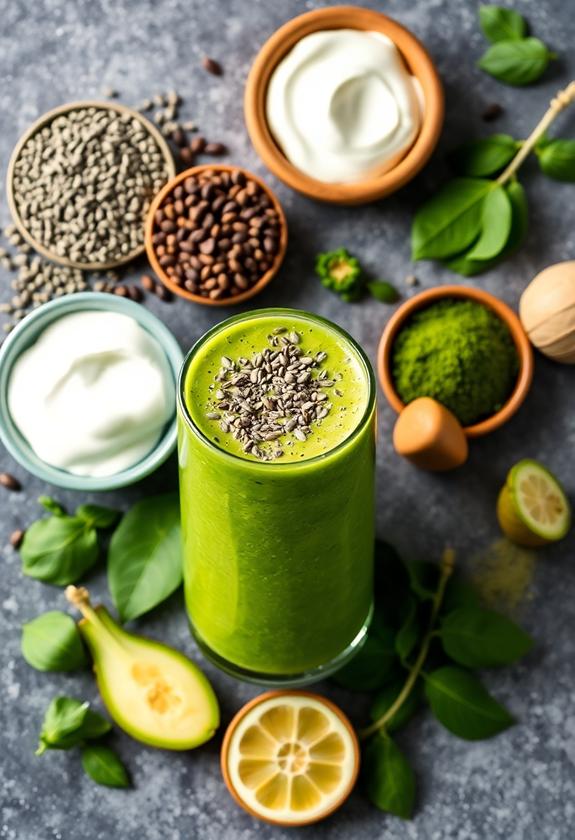
Several high-protein smoothie boosters can transform your drink into a muscle-building powerhouse. You'll love how easy it is to amp up your smoothie's protein content! Meal replacement smoothies are an excellent way to guarantee you're getting the nutrients you need while on the go. Start by adding a scoop of protein powder, which comes in various flavors to suit your taste. Greek yogurt is another fantastic option, providing a creamy texture and beneficial probiotics. For a nutty twist, try a spoonful of your favorite nut butter. Seed blends, like a mix of chia seeds and hemp seeds, offer a nutritious crunch. If you're looking for a collagen boost, consider adding collagen peptides to support your skin and joints. Don't forget about silken tofu, which blends seamlessly and adds a silky smoothness. With these protein-packed additions, you'll create delicious smoothies that keep you feeling full and energized throughout the day.
Gluten-Free Smoothie Considerations
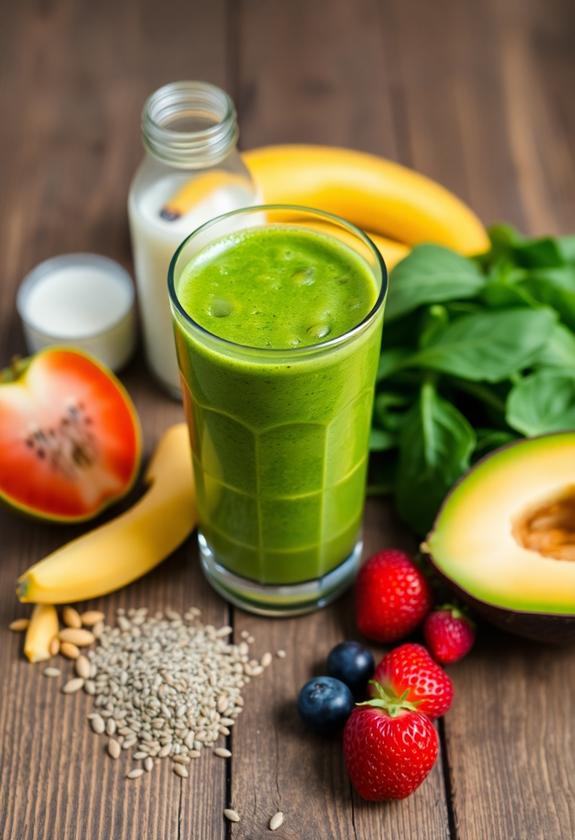
Crafting gluten-free smoothies is typically straightforward, as most common smoothie ingredients are naturally gluten-free. However, it's important to be aware of potential cross-contamination risks. When choosing ingredients, opt for certified gluten-free grains like quinoa or amaranth if you're adding them for extra nutrition. For smoothie thickening, consider using chia seeds or xanthan gum instead of wheat-based thickeners. To boost protein naturally, you can incorporate ingredients like Greek yogurt, nuts, or seeds into your gluten-free smoothies without relying on supplements.
When selecting protein powders, carefully read labels to verify they're gluten-free. Fruit selection is generally safe, but be cautious with pre-packaged fruit mixes that might contain gluten-containing additives. To guarantee gluten-free smoothies, focus on ingredient sourcing tips: buy whole, unprocessed fruits and vegetables, and choose reputable brands for other components. With these considerations in mind, you'll be able to create delicious, safe smoothies that cater to gluten-free dietary needs.
Nut-Free Smoothie Adaptations
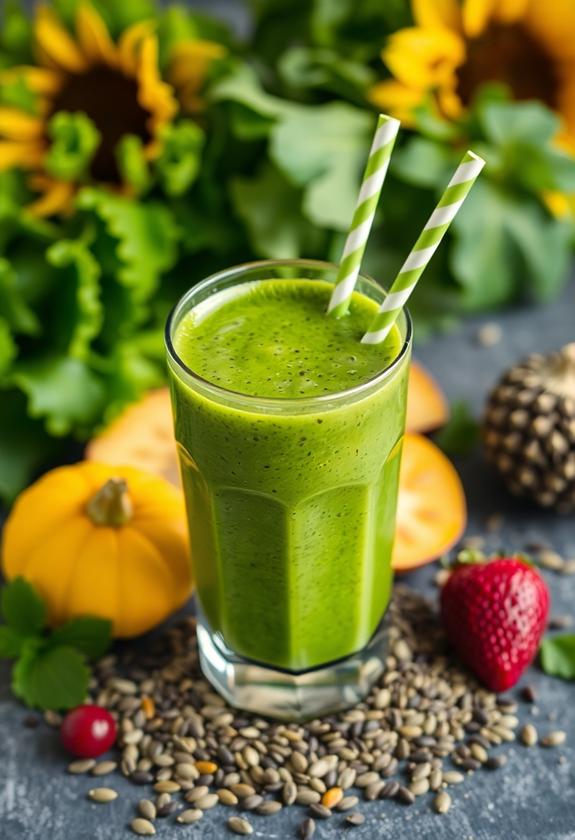
While nuts are a popular ingredient in many smoothie recipes, adapting to nut-free alternatives isn't as challenging as you might think. You'll find plenty of delicious options to create creamy, nutrient-rich smoothies without using nuts. Start by focusing on seedless fruits like bananas or mangoes as natural thickeners. For a protein boost, try smooth nut-free butters like sunflower seed butter or pea protein powders. Creamy bases like coconut milk or oat milk can provide luxurious texture, while alternative thickeners such as chia seeds or avocado add fiber and healthy fats. Don't forget to experiment with flavor enhancers like vanilla extract or cinnamon. To maintain nutrient balance, incorporate superfood additions like spinach or spirulina. When creating nutrient-rich vegan smoothies, it's important to take into account potential deficiencies and guarantee a well-rounded nutritional profile. With these adaptations, you'll create nut-free smoothies that are just as satisfying and nutritious as their nutty counterparts.
Sugar-Free Smoothie Sweeteners
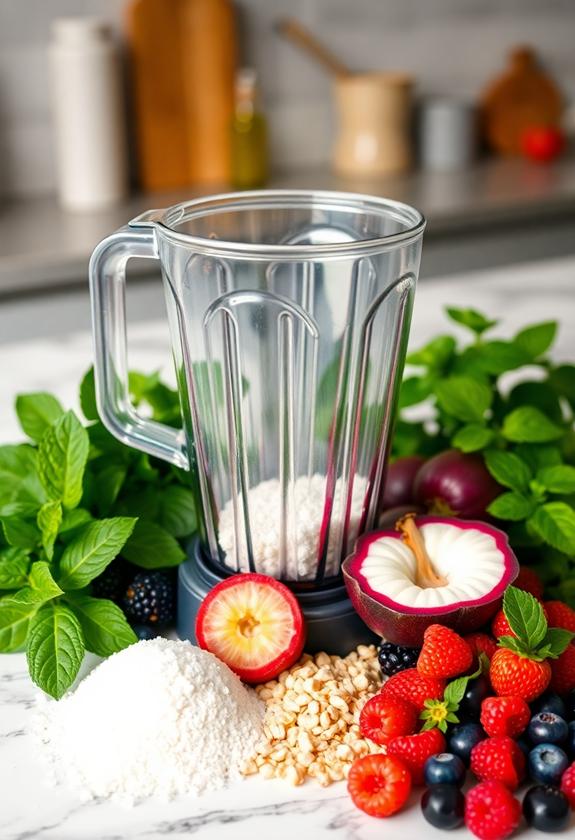
For those looking to cut down on sugar in their smoothies, a variety of natural and artificial sweeteners can come to the rescue. You'll find plenty of options to satisfy your sweet tooth while keeping your sugar intake in check. Natural sweeteners like stevia, monk fruit, and erythritol are great alternatives that won't spike your blood sugar. If you prefer fruit substitutes, try adding banana or mango for natural sweetness and improved texture. These low-calorie ingredients not only add flavor but also contribute to a feeling of fullness, making your smoothie more satisfying.
Don't forget about flavor boosters like cinnamon or vanilla extract, which can increase sweetness without adding calories. As you experiment with different ingredient combinations, remember to taste test along the way to achieve the perfect sweetness balance. You might notice some texture variations, but that's all part of the fun! With a little practice, you'll discover sugar-free smoothies that are just as delicious and even more beneficial for your health.
Low-Calorie Smoothie Strategies
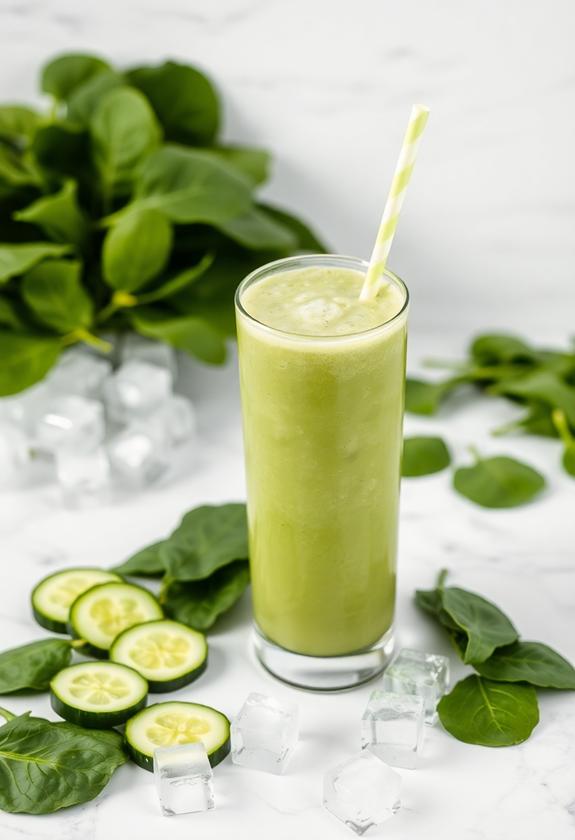
To create low-calorie smoothies, you'll need to focus on ingredient selection and portion control. Start by choosing low-sugar fruits like berries, which are packed with nutrients but won't spike your calorie count. Remember, portion control is key – use measuring cups to keep fruit servings in check. Revitalizing your diet with low-calorie smoothies can be an effective strategy for weight loss and overall health improvement.
For healthy add-ins, try spinach or kale to boost nutrition without calories. In terms of blending techniques, use ice to create volume and a frosty texture. Taste balancing is essential, so experiment with lemon juice or cinnamon to improve flavors without added sugar. Consider ingredient swaps like Greek yogurt instead of regular for protein and creaminess. Think about nutrient timing, using your smoothie as a meal replacement when you need a quick, low-calorie option. Focus on hydration by including water-rich fruits, and play with texture variations to keep your smoothies interesting and satisfying.
Paleo Smoothie Adjustments
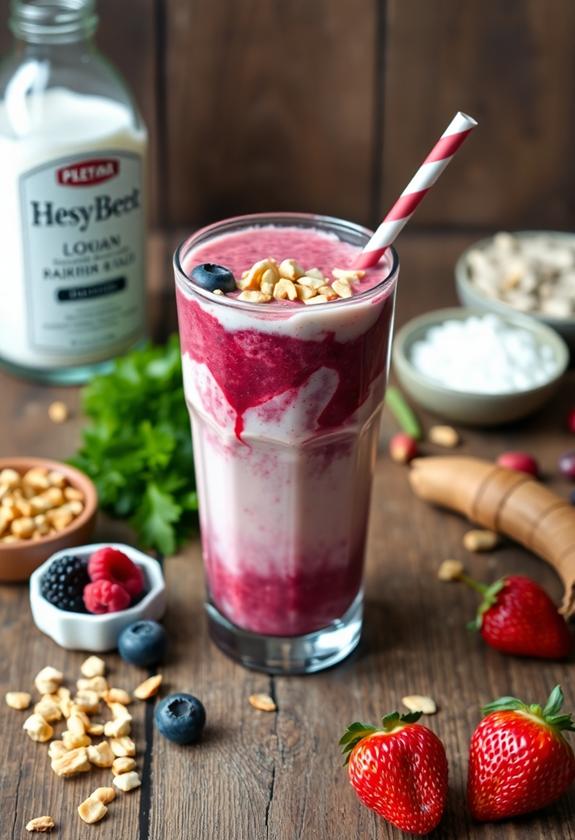
Adjusting smoothies for a paleo diet calls for some creative thinking. You'll want to focus on paleo protein sources, like collagen or egg white powder, to keep your smoothies satisfying. In terms of fruit choices, stick to lower-sugar options like berries or green apples. Don't forget to add healthy fats, such as coconut oil or avocado, for that creamy texture and sustained energy. Omega-3 supplements can also be a great addition to your paleo smoothies, providing essential fatty acids that support overall health and wellness.
For an extra nutrient boost, consider superfood additions like spirulina or maca powder. Vegetable blends are a great way to sneak in more vitamins and minerals. Try experimenting with flavor variations by using herbs or spices. You can also play with texture adjustments by adding chia seeds or crushed nuts. Remember, nutrient timing is important, so enjoy your paleo smoothie when it best fits your daily routine and energy needs.
AIP-Compliant Smoothie Recipes
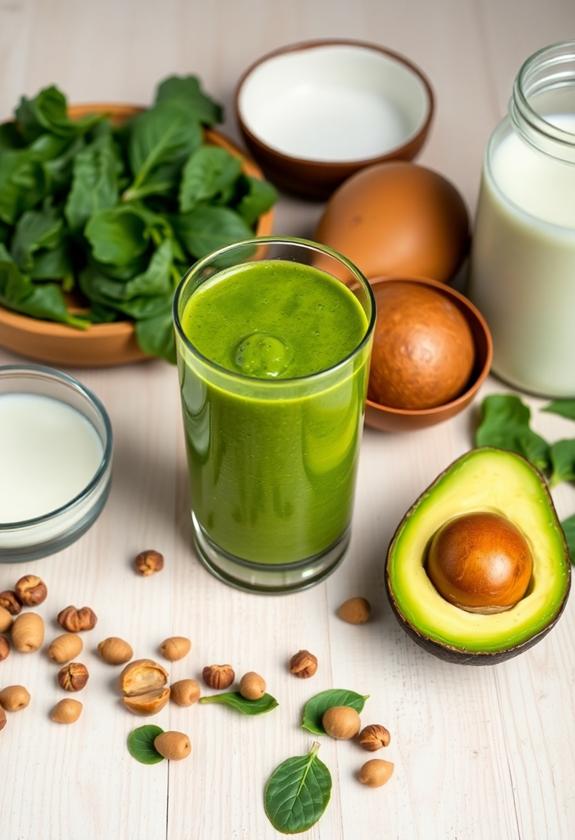
How can you enjoy delicious smoothies while following the Autoimmune Protocol (AIP) diet? It's easier than you might think! Start by choosing AIP friendly fruits like berries, mangoes, and bananas. These sweet treats will give your smoothie a burst of flavor while staying within the diet's guidelines. Next, add some AIP approved greens, such as spinach or kale, to improve the nutritional value. Don't forget to include a liquid base, like coconut milk or water, to achieve the perfect consistency. For added creaminess, try using avocado or frozen cauliflower rice. Consider incorporating smoothie-boosting supplements that are AIP-compliant to improve the nutritional profile of your blend. You can also experiment with AIP-compliant spices like cinnamon or ginger to elevate the taste. Remember, following the AIP diet doesn't mean you have to sacrifice flavor or variety in your smoothies. With a little creativity, you'll be sipping on delicious, nourishing blends in no time!
FODMAP-Friendly Smoothie Ingredients
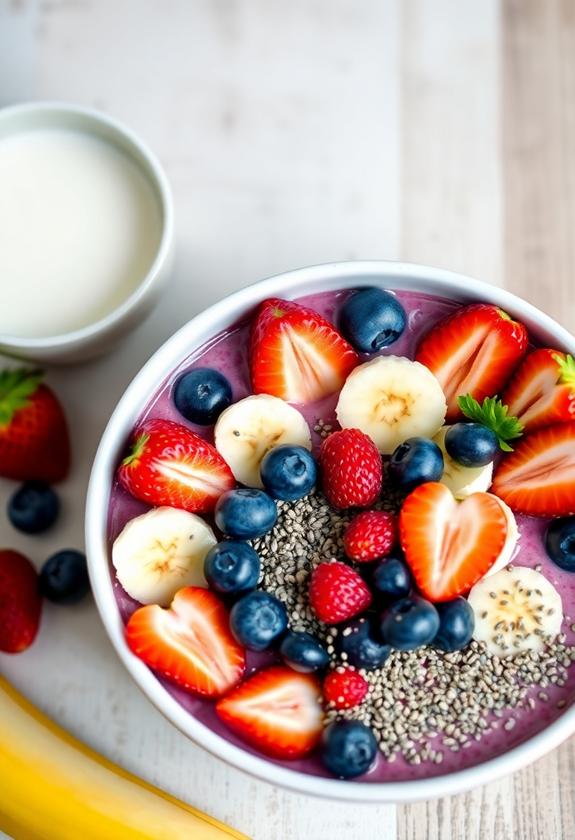
For those following a low FODMAP diet, creating tasty smoothies can seem challenging. But don't worry! There are plenty of FODMAP-friendly ingredients to make delicious, gut-friendly blends. Start with FODMAP-friendly fruits like strawberries, blueberries, and oranges. You can add variety with FODMAP-friendly vegetables such as spinach, kale, or carrots. For your liquid base, try lactose-free milk, almond milk, or coconut water. These options won't upset your tummy and will keep your smoothie creamy. To thicken your drink, use FODMAP-friendly thickeners like chia seeds or oats. They'll give your smoothie a satisfying texture without causing discomfort. For those with additional dietary restrictions, consider allergen-free options to further customize your smoothie. This way, you can guarantee your blend is both FODMAP-friendly and free from common allergens. Finally, top off your creation with FODMAP-friendly toppings like pumpkin seeds or a sprinkle of cinnamon. With these ingredients, you'll be sipping on tasty, tummy-friendly smoothies in no time!
Smoothies for Weight Loss
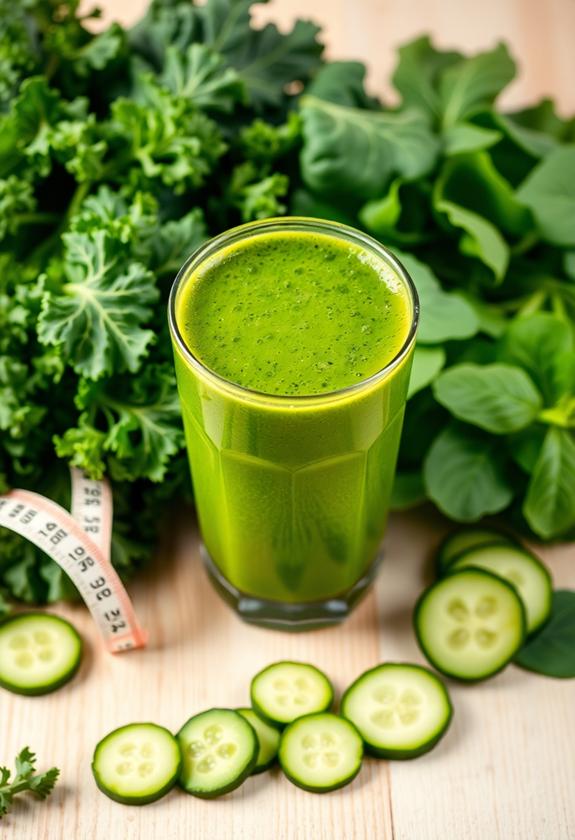
Smoothies can be a powerful tool in your weight loss journey when prepared thoughtfully. By focusing on nutrient-dense ingredients and mindful portions, you'll create satisfying drinks that support your goals. Remember, calorie counting isn't everything, but it's helpful to be aware of your smoothie's overall energy content. Low-calorie smoothies can be an excellent meal replacement option, providing essential nutrients while keeping calorie intake in check.
To make weight-loss-friendly smoothies, try these tips:
- Use mostly non-starchy vegetables as your base
- Add a small portion of fruit for natural sweetness
- Include lean protein sources like Greek yogurt or plant-based powders
- Boost fiber with chia seeds or ground flaxseed
Portion control is key, so stick to reasonable serving sizes. You'll find that a well-crafted smoothie can keep you full and energized, making it easier to stay on track with your weight loss efforts. Don't be afraid to experiment with flavors and textures to find your perfect blend!
Frequently Asked Questions
How Long Can I Store a Homemade Smoothie in the Refrigerator?
You'll want to enjoy your homemade smoothie as soon as possible for the best taste and nutrition! However, if you need to store it, you can keep it in the refrigerator for up to 24 hours. To maintain smoothie freshness, pour it into an airtight container, filling it to the top to minimize air exposure. Remember, some separation is normal – just give it a good shake before drinking. For ideal smoothie storage, always keep it chilled and consume within a day.
Can I Use Frozen Fruits Instead of Fresh in Smoothies?
By Jove, you absolutely can use frozen fruits in your smoothies! It's a fantastic option that offers several frozen fruit benefits. You'll love how they make your smoothie cold and frosty without watering it down. Plus, frozen fruits are often picked at peak ripeness, locking in nutrients. They're also great for creating a thick, creamy smoothie texture. Don't worry if you're out of fresh fruits – your freezer's stash can save the day and make your smoothie just as delicious!
What's the Best Blender for Making Smoothies at Home?
When choosing a blender for your smoothies, you'll want to look for one with powerful features. A strong motor, sharp blades, and multiple speed settings are key for achieving the perfect smoothie consistency. You'll love a blender with a wide, sturdy base and a tight-fitting lid to prevent spills. Don't forget to take into account the container size, too! With the right blender, you'll be whipping up delicious, creamy smoothies in no time. Happy blending!
How Can I Make My Smoothies More Filling and Satisfying?
Turbocharge your smoothie game and watch those hunger pangs disappear! You can make your smoothies more filling by adding protein boosters like Greek yogurt, protein powder, or chia seeds. Don't forget healthy fats, such as avocado or nut butter, which'll keep you satisfied longer. Try blending in oats or spinach for extra fiber, and experiment with frozen fruits for a thicker texture. Remember, a well-balanced smoothie is your secret weapon against mid-morning munchies. You've got this!
Are There Any Risks Associated With Consuming Too Many Smoothies?
You're right to ask about risks, as it's important to be mindful of your smoothie habits. While smoothies can be healthy, drinking too many might lead to problems. You'll want to watch out for nutrient balance and sugar content. It's easy to overdo calories or natural sugars when you're sipping your meals. Also, you might miss out on the benefits of chewing whole foods. Don't worry, though! Enjoying smoothies in moderation is still a great way to boost your nutrition.