Some links below are affiliate links. We earn a commission on purchases at no extra cost to you. Although our opinions are based on curated research, we haven't used these products. Article generated with AI.

Top Nutrients Kids Get From Smoothies and Why They Matter
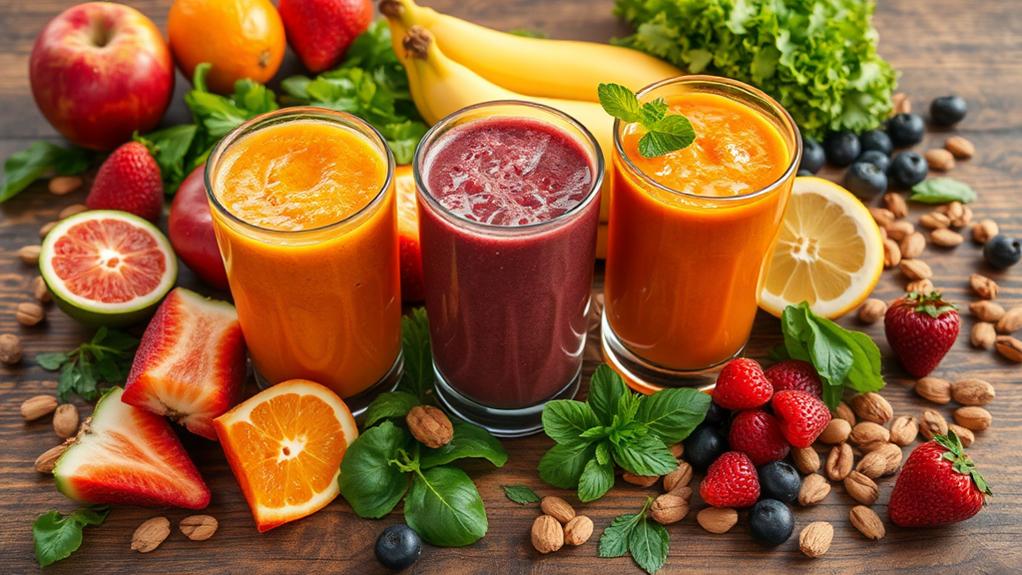
Smoothies are a fantastic way to boost your child’s nutrition. They’re packed with essential nutrients that support growth and development. Vitamin C strengthens the immune system, while calcium builds strong bones and teeth. Fiber aids digestion and helps maintain a healthy weight. Potassium regulates heart function, and antioxidants protect against harmful free radicals. Protein is vital for muscle development, iron supports cognitive function, and vitamin D strengthens bones and immunity. By blending these nutrients into a tasty drink, you’re giving your kids a powerful health boost they’ll love. Discover how each ingredient contributes to your child’s well-being and which combinations work best.
Table of Contents
hide
Key Takeaways
- Vitamin C supports immune function and aids iron absorption, found in fruits like strawberries and oranges commonly used in smoothies.
- Calcium from dairy or fortified plant milk in smoothies promotes strong bones and teeth in growing children.
- Fiber from fruits and vegetables in smoothies supports digestive health and helps maintain a healthy weight.
- Antioxidants from berries and leafy greens protect against free radicals and boost overall health.
- Protein from Greek yogurt or nut butters in smoothies aids muscle development and supports the immune system.
Vitamin C
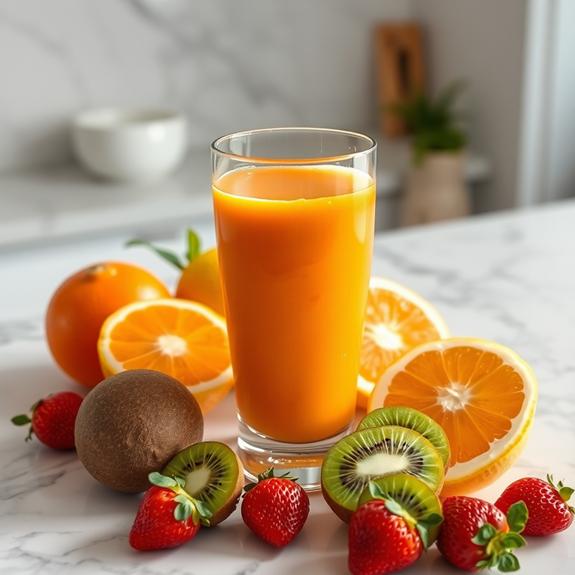
From within the depths of colorful smoothies, Vitamin C emerges as a powerhouse nutrient for kids. This essential vitamin plays an important role in your child’s growth and development, supporting their immune system and helping their bodies fight off pesky colds and flu.
When you blend fruits like strawberries, oranges, and kiwis into a smoothie, you’re creating a delicious drink packed with this crucial nutrient.
Vitamin C isn’t just about boosting immunity, though. It’s also necessary for healthy skin, strong bones, and even helps your little one’s body absorb iron from other foods.
Calcium
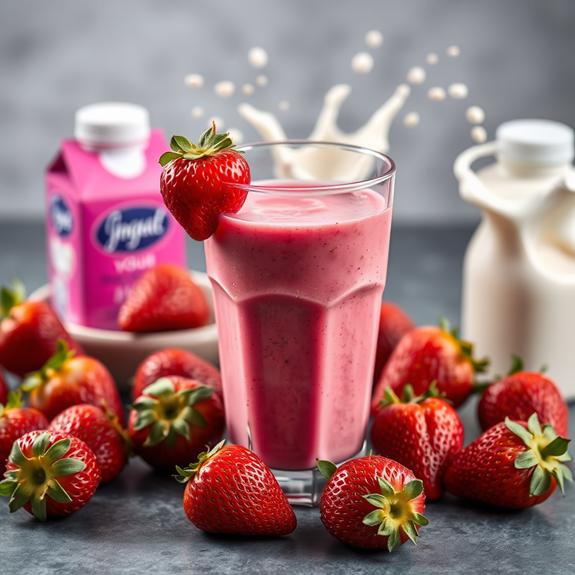
Another essential nutrient found in smoothies is calcium, crucial for building strong bones and teeth in growing children.
You’ll be happy to know that many smoothie ingredients are rich in this important mineral. Dairy products like milk and yogurt are excellent sources, but don’t worry if your child is lactose intolerant or vegan. There are plenty of alternatives!
Plant-based milk, such as almond or soy milk fortified with calcium, can be a great base for your child’s smoothie.
Leafy greens like kale and spinach also pack a calcium punch, and they blend seamlessly into fruity concoctions.
For an extra boost, consider adding chia seeds or almonds to the mix.
Fiber
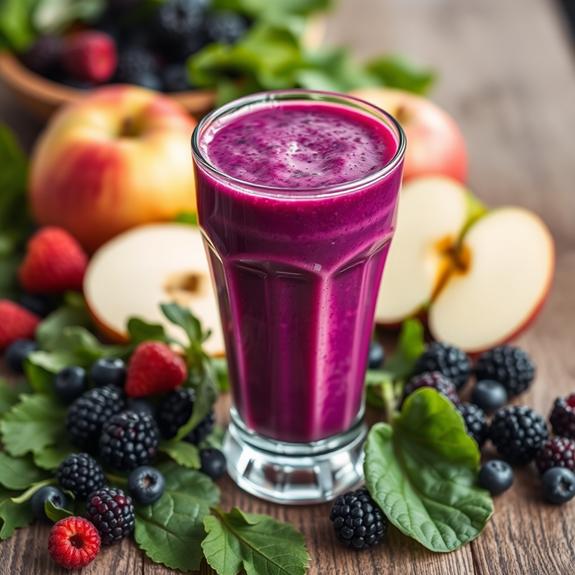
Filling up on fiber is essential for your child’s digestive health, and smoothies are an excellent way to boost their intake. Fiber helps keep your little one’s tummy happy by promoting regular bowel movements and preventing constipation. It’s like a gentle scrub brush for their insides, keeping everything clean and moving along smoothly.
When you blend fruits and vegetables into a tasty smoothie, you’re packing in loads of natural fiber. This fiber acts as food for the good bacteria in your child’s gut, helping to maintain a healthy balance. It also helps them feel full and satisfied, which can prevent overeating and support a healthy weight.
You’ll find fiber in ingredients like berries, apples, spinach, and chia seeds. These smoothie staples not only taste great but also provide the roughage your child needs.
Potassium
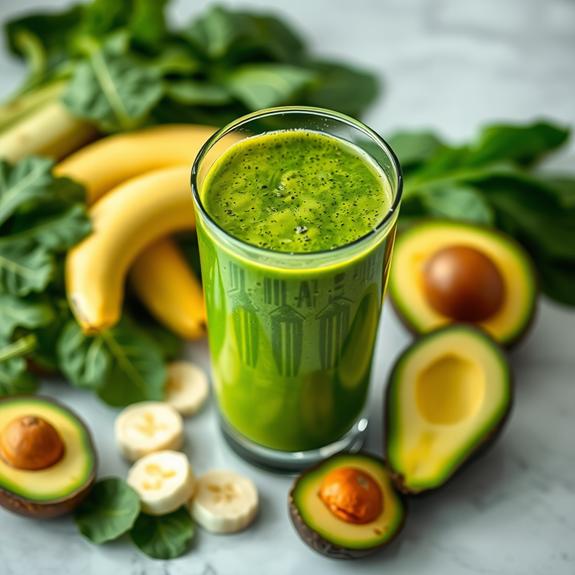
Potassium, an essential mineral for your child’s health, is abundant in many smoothie ingredients. This powerhouse nutrient plays a significant role in your little one’s growth and development.
It’s important for maintaining proper heart function, supporting muscle contractions, and regulating fluid balance in the body.
You’ll be happy to know that smoothies can be an excellent source of potassium for your kids. Bananas, a smoothie staple, are packed with this important mineral.
Other potassium-rich fruits you can add include oranges, melons, and mangoes. Don’t forget about leafy greens like spinach and kale, which not only boost potassium content but also add a nutritional punch.
Antioxidants
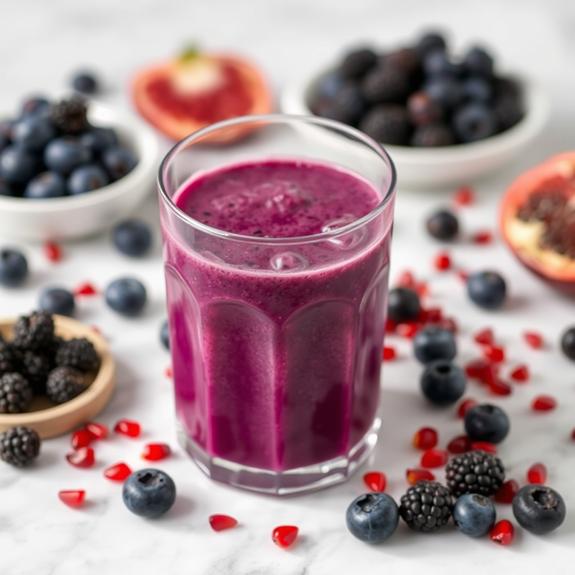
Smoothies are a goldmine of antioxidants, offering your kids a delicious way to boost their immune system. These powerful compounds help protect their bodies from harmful free radicals, which can damage cells and lead to various health issues.
When you blend fruits and veggies into a smoothie, you’re creating a nutrient-packed drink that’s brimming with antioxidants.
Berries, like blueberries and strawberries, are excellent sources of antioxidants. They’re not only tasty but also help support your child’s brain function and memory.
Dark, leafy greens such as spinach or kale are another fantastic addition, providing antioxidants that promote eye health and strong bones.
Don’t forget about citrus fruits! Oranges and kiwis are rich in vitamin C, a potent antioxidant that supports a healthy immune system.
Protein
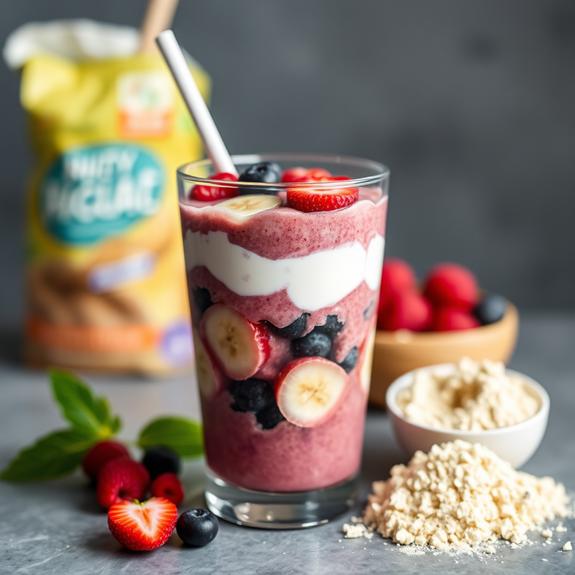
After loading up on antioxidants, it’s essential to take into account protein in your child’s smoothie. Protein plays a significant role in your little one’s growth and development, helping to build strong muscles, bones, and tissues.
It’s also important for maintaining a healthy immune system, which is so necessary for active kids.
You’ll be happy to know that there are many delicious protein sources you can add to your child’s smoothie. Greek yogurt is a fantastic option, providing a creamy texture along with a protein boost.
Nut butters, like almond or peanut butter, aren’t only tasty but also rich in protein and healthy fats. For a plant-based alternative, try adding silken tofu or a scoop of protein powder specifically formulated for kids.
Iron
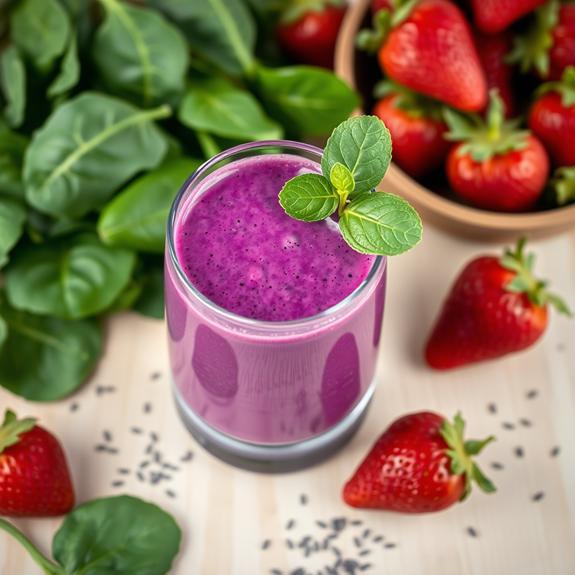
Another essential nutrient to take into account in your child’s smoothie is iron. This important mineral plays a significant role in your little one’s growth and development.
It’s responsible for carrying oxygen throughout the body, supporting cognitive function, and boosting the immune system. You’ll be thrilled to know that many smoothie ingredients are excellent sources of iron, making it easy to incorporate this nutrient into your child’s diet.
To guarantee your child gets enough iron from their smoothies, consider adding these iron-rich ingredients:
- Spinach or kale
- Pumpkin seeds
- Fortified plant-based milk
- Dried fruits like raisins or apricots
Vitamin D
Vitamin D stands out as an essential nutrient for children’s health, yet it’s often overlooked in their diets. This powerful vitamin plays a vital role in building strong bones, supporting immune function, and promoting overall growth.
While sunlight is a natural source of vitamin D, many kids don’t get enough exposure, especially during winter months or in cloudy climates.
That’s where smoothies can come to the rescue! By adding vitamin D-rich ingredients to your child’s smoothie, you’re giving them a delicious boost of this important nutrient.
Fortified plant milks, like soy or almond milk, are excellent sources of vitamin D. You can also toss in some egg yolks or mushrooms that have been exposed to UV light.
These ingredients blend seamlessly into smoothies, making it easy for your little ones to get their daily dose.
Frequently Asked Questions
Are Smoothies a Good Substitute for Whole Fruits and Vegetables?
While smoothies can be a tasty and convenient way to enjoy fruits and veggies, they’re not always a perfect substitute for whole foods.
You’ll still get many nutrients, but you might miss out on some fiber and the satisfaction of chewing.
It’s best to think of smoothies as a supplement to your diet, not a replacement.
Try to include whole fruits and vegetables in your meals when you can, and enjoy smoothies as a nutritious addition to your balanced diet.
How Often Should Children Drink Smoothies as Part of Their Diet?
You’ll want to be mindful of how often your children drink smoothies. While they’re a great way to boost nutrient intake, it’s best to offer them 2-3 times a week as part of a balanced diet.
Remember, whole fruits and veggies should still be the main focus. Smoothies can be a fun, tasty addition, but they shouldn’t replace regular meals.
It’s all about finding the right balance to keep your kids healthy and happy!
Can Smoothies Help Picky Eaters Get More Nutrients in Their Diet?
Did you know that 75% of parents report having a picky eater at home? You’re not alone!
Smoothies can be a game-changer for your finicky little one. They’re a fun, tasty way to sneak in those important nutrients your child might otherwise avoid.
By blending fruits, veggies, and even some protein sources, you’re creating a delicious drink that’s packed with vitamins and minerals.
It’s a win-win situation: your child enjoys a yummy treat, and you’re confident they’re getting the nutrition they need.
What’s the Best Time of Day for Kids to Drink Smoothies?
You’ll find that the best time for kids to enjoy smoothies is often in the morning or as an after-school snack.
Mornings are great because smoothies provide a quick, nutritious breakfast that’ll energize your child for the day ahead. After school, they’re perfect for refueling hungry kids and boosting their energy levels.
However, you know your child’s routine best, so feel free to offer smoothies whenever they fit into your family’s schedule. The key is making them a regular, healthy part of your child’s diet.
Are There Any Potential Drawbacks to Giving Children Smoothies Regularly?
You’re right to evaluate potential drawbacks. While smoothies can be nutritious, there are a few things to watch out for.
If you’re giving your kids smoothies regularly, be mindful of the sugar content, especially from added sugars or too much fruit.
Also, drinking calories instead of eating whole foods mightn’t satisfy hunger as well.