Some links below are affiliate links. We earn a commission on purchases at no extra cost to you. Although our opinions are based on curated research, we haven't used these products. Article generated with AI.

The Importance of Fiber in Kids’ Smoothies
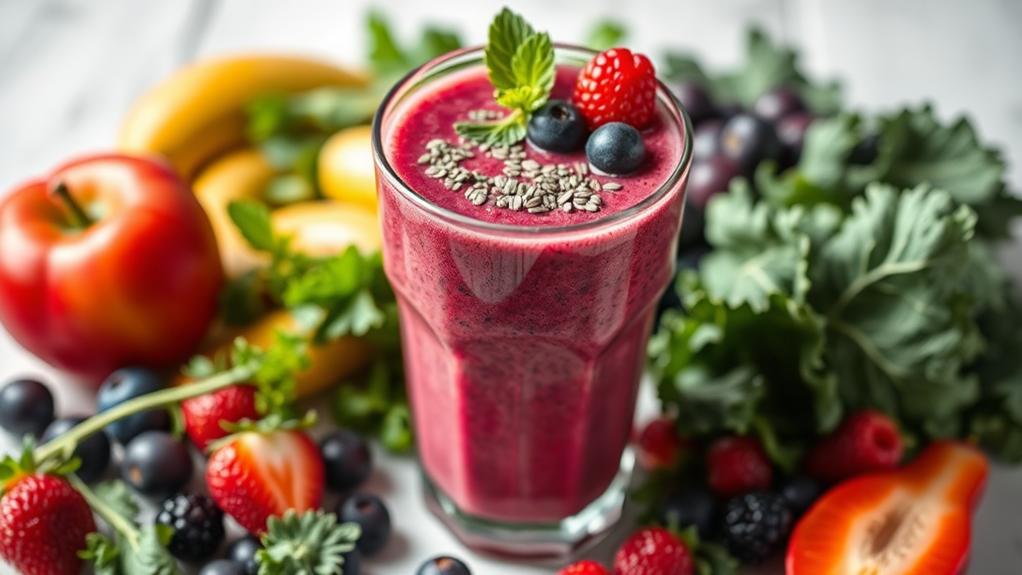
Fiber in kids’ smoothies packs a powerful punch for their growing bodies and overall health. It’s not just about keeping tummies happy; fiber aids digestion, prevents constipation, and helps manage weight. You’ll love how it stabilizes blood sugar, keeping your little ones energized throughout the day. By blending fiber-rich ingredients like berries, leafy greens, and chia seeds into tasty smoothies, you’re nourishing their bodies and setting up great habits for life. Don’t worry about picky eaters – smoothies are a sneaky way to boost fiber intake without fuss. As you investigate the world of kid-friendly smoothies, you’ll uncover a wealth of nutritious possibilities.
Table of Contents
hide
Key Takeaways
- Fiber aids digestion, prevents constipation, and supports weight management in children.
- Smoothies can help meet daily fiber recommendations, which vary by age from 14 to 38 grams.
- Fiber-rich smoothie ingredients like berries, leafy greens, and chia seeds offer nutritional benefits.
- Incorporating fiber in smoothies supports steady energy levels and blood sugar control.
- Smoothies are an effective way to introduce fiber to picky eaters and establish healthy eating habits.
Understanding Fiber’s Role
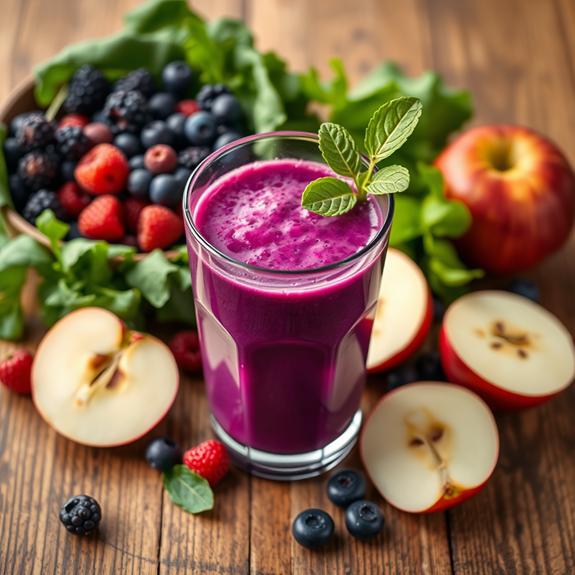
While many parents focus on vitamins and minerals, fiber often gets overlooked in children’s diets. But it’s an essential component that deserves your attention, especially regarding your kids’ smoothies. Fiber plays a significant role in your child’s digestive health and overall well-being, and it’s easier to incorporate than you might think!
You’ll be happy to know that fiber helps keep your little ones’ tummies happy and regular. It aids in digestion, prevents constipation, and can even help manage weight.
But that’s not all! Fiber also helps stabilize blood sugar levels, which is great for maintaining your child’s energy throughout the day. It’s like nature’s own way of keeping things balanced and running smoothly.
As you add fiber-rich ingredients to your kids’ smoothies, you’re not just filling their bellies, you’re nourishing their bodies in a fundamental way.
Think of it as giving their digestive system a gentle, supportive hug. By understanding fiber’s role, you’re taking an important step in supporting your children’s health and setting them up for a lifetime of good nutrition habits.
Benefits for Growing Bodies
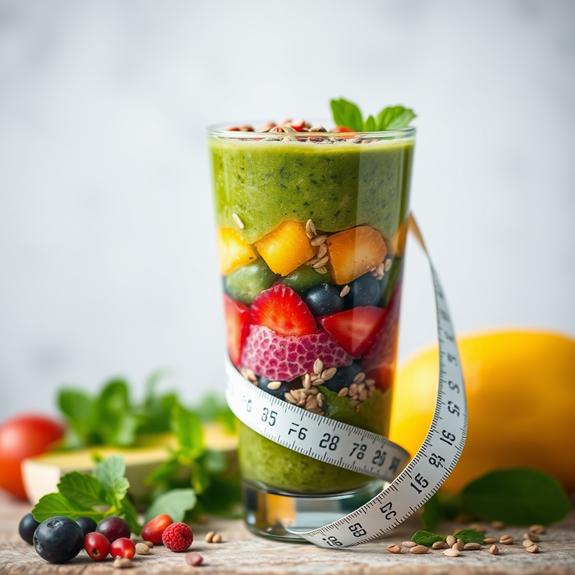
Now that we’ve covered fiber’s general importance, let’s investigate how it specifically benefits your child’s growing body.
Fiber plays an essential role in your little one’s development, supporting their health in numerous ways. It’s not just about keeping tummy troubles at bay; fiber is a powerhouse nutrient that contributes to overall well-being.
Your child’s body will thank you for including fiber-rich smoothies in their diet. Here are three key benefits:
- Digestive health: Fiber aids in regular bowel movements, preventing constipation and promoting a healthy gut.
- Weight management: High-fiber foods help your child feel fuller for longer, reducing overeating and supporting a healthy weight.
- Blood sugar control: Fiber slows down sugar absorption, helping to maintain steady energy levels throughout the day.
Recommended Daily Fiber Intake
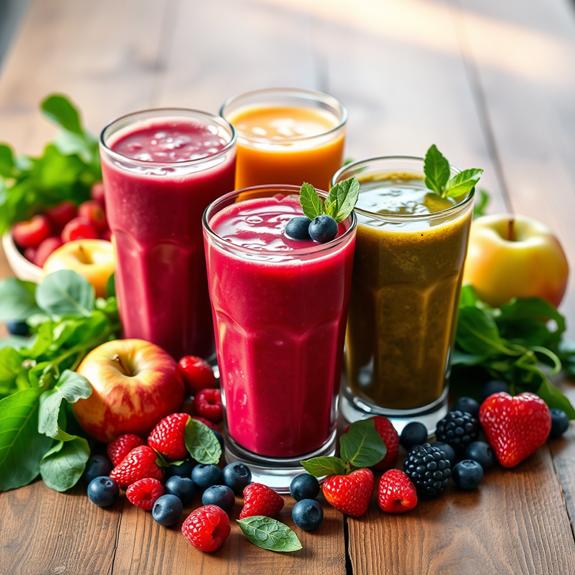
With fiber’s benefits in mind, let’s turn to the recommended daily intake for children. It’s important to know how much fiber your kids need to stay healthy and happy. The amount of fiber a child needs depends on their age and gender.
For children aged 1-3, aim for about 14 grams of fiber per day. Kids between 4-8 years old should get around 20 grams. As they grow, their needs increase. Girls aged 9-13 should have 26 grams, while boys in the same age group need 31 grams. For teens 14-18, girls should aim for 26 grams, and boys should get 38 grams daily.
Don’t worry if these numbers seem overwhelming! You don’t have to hit the exact target every day. The key is to gradually increase fiber intake over time.
Smoothies are a great way to boost your child’s fiber consumption. By adding fruits, vegetables, and even a tablespoon of ground flaxseed, you’re helping your little ones meet their daily needs.
Fiber-Rich Smoothie Ingredients
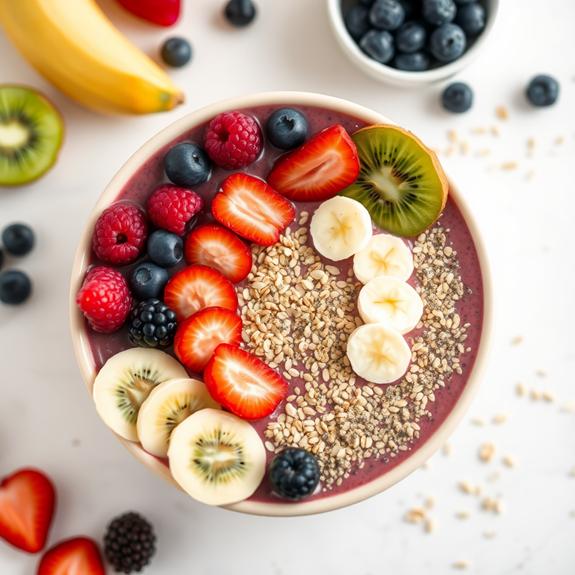
To create fiber-packed smoothies for your kids, it’s essential to choose the right ingredients. You’ll want to focus on fruits, vegetables, and other plant-based foods that are naturally high in fiber.
These ingredients not only boost the nutritional value of your smoothies but also add delicious flavors and textures that your children will love.
Here are some fiber-rich ingredients you can easily incorporate into your kids’ smoothies:
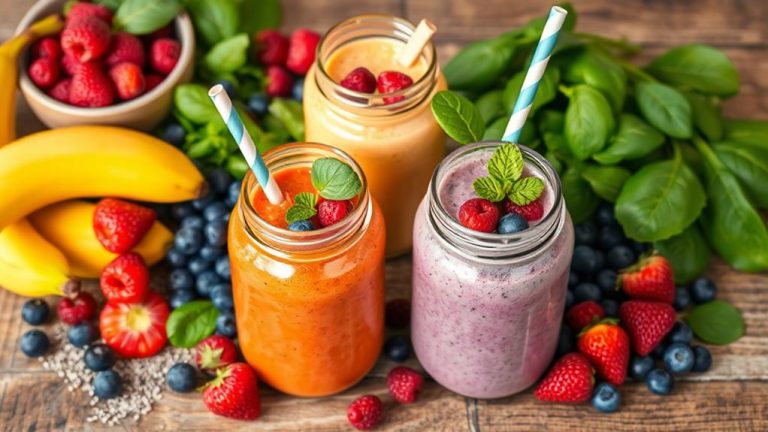
- Berries: Raspberries, strawberries, and blueberries are excellent sources of fiber and antioxidants.
- Leafy greens: Spinach and kale blend well into smoothies and provide a hefty dose of fiber.
- Chia seeds: These tiny powerhouses are packed with fiber and omega-3 fatty acids.
Don’t forget about other fiber-rich options like apples, pears, avocados, and oats.
They’ll add creaminess and bulk to your smoothies while increasing the fiber content. You can also consider adding a scoop of fiber powder for an extra boost.
Remember, the key is to experiment with different combinations to find what your kids enjoy most.
Balancing Taste and Nutrition
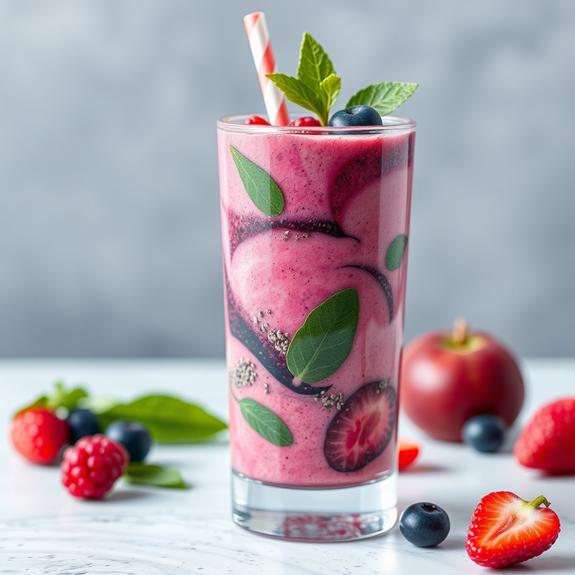
While incorporating fiber-rich ingredients is important, striking the right balance between taste and nutrition is key to creating smoothies your kids will actually drink. You’ll want to guarantee that the smoothies are both delicious and packed with essential nutrients.
To achieve this, start by using naturally sweet fruits as a base, such as bananas, berries, or mangoes. These will provide a pleasant flavor while also contributing fiber and vitamins.
Next, gradually introduce vegetables like spinach or kale, which are rich in fiber and nutrients but may have a stronger taste. You can mask their flavor by adding a small amount at first and slowly increasing the quantity over time.
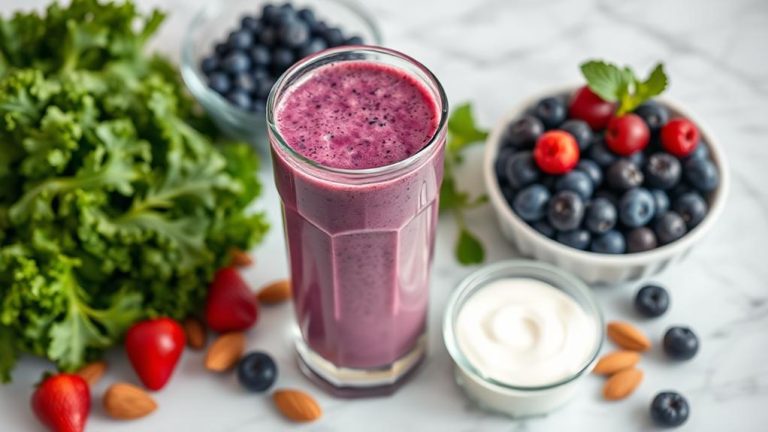
Don’t forget to include protein sources like Greek yogurt or nut butter, which will help balance out the smoothie and keep your kids feeling full.
Experiment with different combinations of ingredients to find what your children enjoy most. You might even involve them in the process, letting them choose some of the fruits or add fun toppings like chia seeds or coconut flakes.
Sneaky Ways to Add Fiber
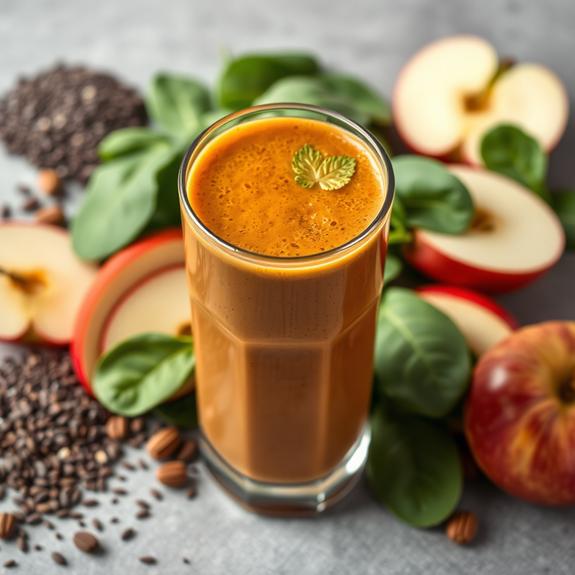
Incorporating fiber into your kids’ smoothies doesn’t have to be obvious or unpleasant. There are many clever ways to boost fiber content while maintaining a delicious taste. You’ll be surprised at how easy it’s to sneak in nutritious ingredients that your children won’t even notice.
Try these simple yet effective strategies:
- Add a handful of spinach or kale – these leafy greens blend seamlessly into fruit smoothies.
- Include chia seeds or ground flaxseed – they’re barely noticeable but pack a fiber punch.
- Toss in some rolled oats – they’ll create a creamy texture while boosting fiber content.
You can also experiment with adding avocado, which provides a creamy consistency and healthy fats along with fiber.
Don’t forget about fruits like berries, pears, and apples – they’re naturally high in fiber and add sweetness to your smoothies.
If you’re feeling adventurous, try adding a small amount of canned pumpkin or sweet potato puree. These veggie additions not only increase fiber but also provide essential vitamins and minerals.
Age-Appropriate Smoothie Recipes
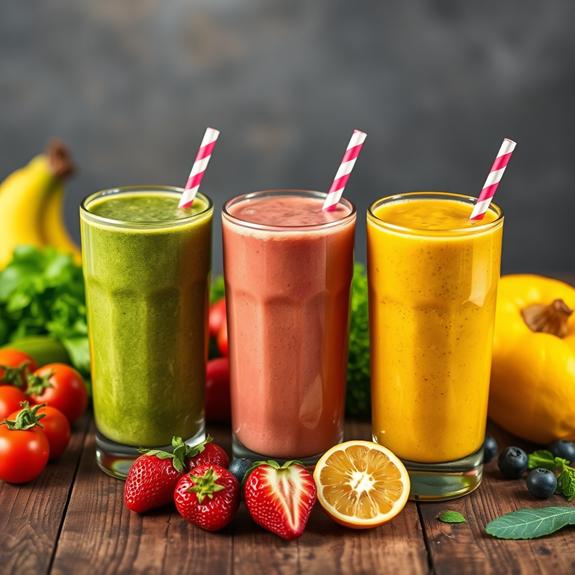
Now that you’ve got some clever fiber-boosting tricks up your sleeve, let’s investigate smoothie recipes tailored for different age groups.
For toddlers aged 1-3, start with simple flavors like banana-strawberry or mango-peach. Use whole milk for added nutrients and blend in a tablespoon of ground flaxseed for extra fiber.
As kids grow, you can introduce more complex combinations.
For children aged 4-7, try a “Green Monster” smoothie with spinach, banana, and Greek yogurt. Don’t worry, the sweetness of the fruit will mask the veggie taste!
For older kids, 8-12, experiment with bold flavors like a chocolate-peanut butter smoothie with added chia seeds. You can even let them create their own combinations, encouraging creativity and healthy habits.
Common Fiber Misconceptions
Despite the growing awareness of fiber’s importance, several misconceptions persist about its role in children’s diets. You might’ve heard some of these myths, but don’t worry – we’re here to clear things up and help you make the best choices for your kids’ nutrition.
Let’s tackle three common fiber misconceptions:
- All fiber is the same: In reality, there are two main types of fiber – soluble and insoluble. Both are important for your child’s health, but they work differently in the body.
- Fiber is only for digestive health: While fiber is great for digestion, it also helps regulate blood sugar, supports heart health, and can even aid in weight management.
- Kids don’t need much fiber: Actually, children need fiber just as much as adults do. The recommended daily intake varies by age, but it’s essential for their growing bodies.
Understanding these misconceptions can help you make informed decisions about your children’s diet.
By incorporating a variety of fiber-rich foods into their smoothies, you’re setting them up for a lifetime of good health.
Addressing Picky Eaters
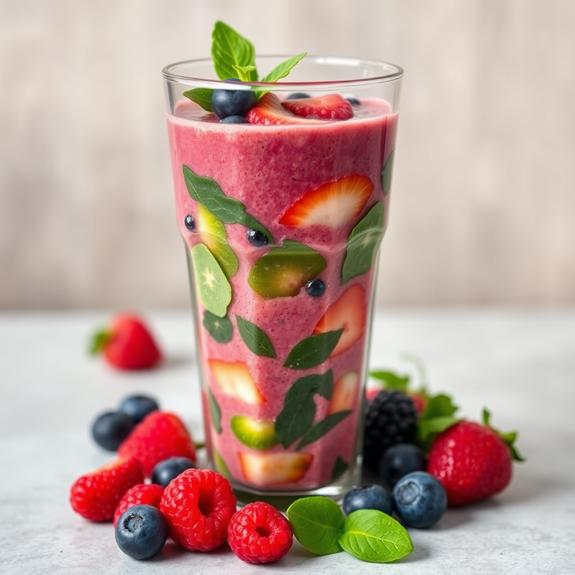
Picky eaters can pose a challenge in terms of introducing fiber-rich foods into your child’s diet. But don’t worry, smoothies can be your secret weapon! They’re a great way to sneak in fiber-packed ingredients that your little one might otherwise reject. You can start by adding familiar fruits like bananas or strawberries, which are naturally high in fiber.
Then, gradually introduce new elements like spinach or chia seeds.
Remember, it’s all about making it fun and appealing. Let your child choose the smoothie’s color or give it a silly name. You can even create a “smoothie bar” with various toppings they can add themselves. This hands-on approach often encourages kids to try new things.
If your child is particularly resistant, try involving them in the shopping and preparation process. When they feel a sense of ownership, they’re more likely to give it a taste.
Be patient and persistent. It might take several attempts before your picky eater accepts fiber-rich smoothies, but your efforts will pay off in improved nutrition and healthier habits.
Fiber’s Impact on Gut Health
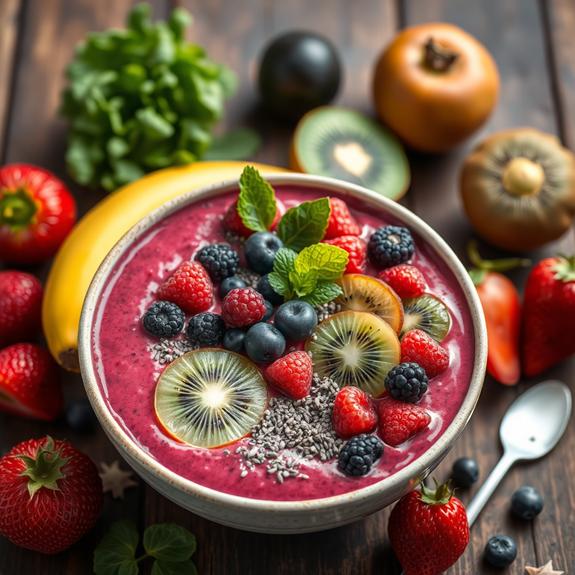
The importance of fiber extends far beyond just keeping kids regular. It plays a vital role in maintaining a healthy gut microbiome, which is essential for your child’s overall well-being.
When you include fiber-rich ingredients in your kids’ smoothies, you’re nurturing their digestive system and supporting their immune function.
Fiber acts as a prebiotic, feeding the beneficial bacteria in your child’s gut. This promotes a diverse and thriving microbiome, which can have numerous positive effects on their health.
Here’s how fiber impacts gut health:
- It helps maintain a balanced pH level in the intestines, creating an environment where good bacteria can flourish.
- It supports the production of short-chain fatty acids, which nourish the cells lining the colon.
- It aids in the removal of harmful substances and toxins from the body, keeping the digestive system clean and healthy.
Frequently Asked Questions
Can Too Much Fiber in Smoothies Cause Digestive Issues for Children?
Yes, too much fiber in smoothies can cause digestive issues for children.
While fiber is important, it’s best to introduce it gradually. You’ll want to start with small amounts and increase slowly.
If your child experiences bloating, gas, or tummy aches after drinking fiber-rich smoothies, it’s a sign to dial it back.
Remember, every child’s digestive system is unique, so pay attention to how your little one responds and adjust accordingly.
Balance is key!
How Do Fiber-Rich Smoothies Affect Children With Food Allergies or Sensitivities?
Picture a smoothie as a rainbow in a glass, bursting with vibrant colors and flavors. For children with food allergies or sensitivities, fiber-rich smoothies can be both a blessing and a challenge.
You’ll want to be extra careful, choosing ingredients that won’t trigger reactions. Luckily, there’s a world of allergy-friendly options! Focus on safe fruits, veggies, and alternative milk bases.
Are There Any Potential Side Effects of Increasing Fiber Intake Through Smoothies?
You might notice some changes when you increase fiber in your child’s smoothies. While it’s generally beneficial, there can be side effects.
Your little one might experience temporary bloating, gas, or tummy discomfort. Don’t worry, though! These usually fade as their body adjusts.
It’s important to increase fiber gradually and guarantee they’re drinking plenty of water. If you notice any persistent issues, it’s always best to check with your pediatrician for personalized advice.
Can Fiber-Rich Smoothies Replace Other Sources of Fiber in a Child’s Diet?
While fiber-rich smoothies are a great addition to your child’s diet, they shouldn’t completely replace other fiber sources.
You’ll want to include a variety of fiber-rich foods like fruits, vegetables, and whole grains in their meals.
Smoothies can be a tasty, convenient way to boost fiber intake, but they don’t provide the same chewing experience or fullness that whole foods do.
It’s best to use smoothies as a supplement to, not a replacement for, other fiber sources.
How Long Does It Take for Children to Adjust to Increased Fiber Intake?
Just like Rome wasn’t built in a day, your child’s digestive system won’t adjust to increased fiber overnight.
You’ll want to give it about 2-4 weeks for their body to adapt. During this time, you might notice some changes in their bathroom habits.
Don’t worry, it’s normal! Gradually increase fiber intake, and make sure they’re drinking plenty of water.
Be patient and supportive, and soon enough, their little tummies will be happily handling all that extra goodness.