Some links below are affiliate links. We earn a commission on purchases at no extra cost to you. Although our opinions are based on curated research, we haven't used these products. Article generated with AI.

How to Avoid Nutrient Deficiencies When Replacing Meals With Smoothies
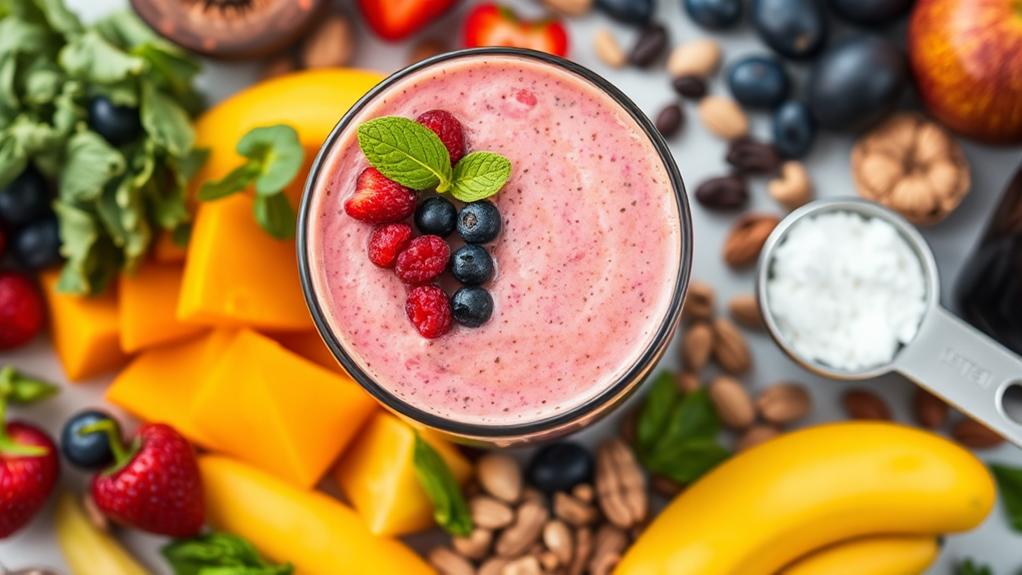
To avoid nutrient deficiencies when replacing meals with smoothies, you'll need to focus on balance and variety. Start by including a mix of fruits, vegetables, and leafy greens for essential vitamins and minerals. Add protein sources like Greek yogurt, nut butter, or protein powder to support muscle health. Don't forget healthy fats from avocados or chia seeds for satiety and nutrient absorption. Rotate your ingredients to guarantee a diverse nutrient intake, and consider adding superfoods for an extra boost. Pay attention to portion sizes and timing to maintain energy levels throughout the day. By following these tips, you'll be well on your way to creating nutritious, satisfying smoothies that keep you feeling your best.
Table of Contents
hide
Key Takeaways
- Include a variety of fruits, vegetables, and nutrient-dense ingredients to ensure a broad spectrum of vitamins and minerals.
- Balance macronutrients with a ratio of 30% protein, 40% carbohydrates, and 30% healthy fats for optimal nutrition.
- Rotate ingredients regularly to prevent monotony and ensure diverse nutrient intake over time.
- Add protein sources like Greek yogurt, nut butters, or plant-based powders to support tissue repair and immune function.
- Consider supplements like multivitamins or omega-3s to fill potential nutrient gaps, especially for plant-based diets.
Understanding Smoothie Meal Replacements
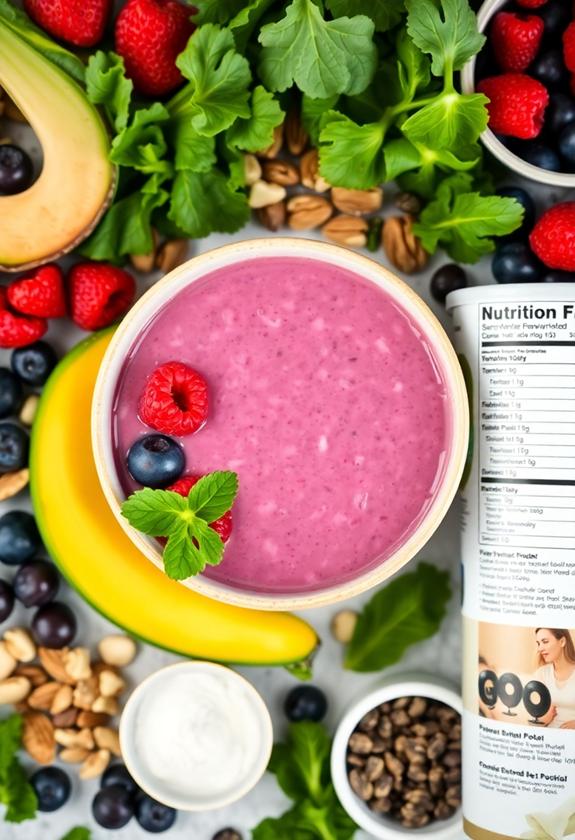
Smoothies have become a popular choice for meal replacements, offering a quick and convenient way to pack nutrients into your diet. When you're considering smoothies as a meal substitute, it's important to understand what makes them effective. First, focus on smoothie variety to guarantee you're getting a wide range of nutrients. Don't stick to just one recipe; mix it up with different fruits, vegetables, and protein sources. Smart strategies for using smoothies as meal replacements include paying attention to portion sizes and timing your consumption appropriately. Ingredient sourcing is also essential. Opt for fresh, whole foods whenever possible, and consider organic options to minimize exposure to pesticides. Remember, a balanced smoothie should include protein, healthy fats, and complex carbohydrates to keep you satisfied and energized. By thoughtfully crafting your smoothies, you'll be well on your way to maintaining a nutritious diet while enjoying the convenience of these delicious drinks.
Common Nutrient Deficiencies
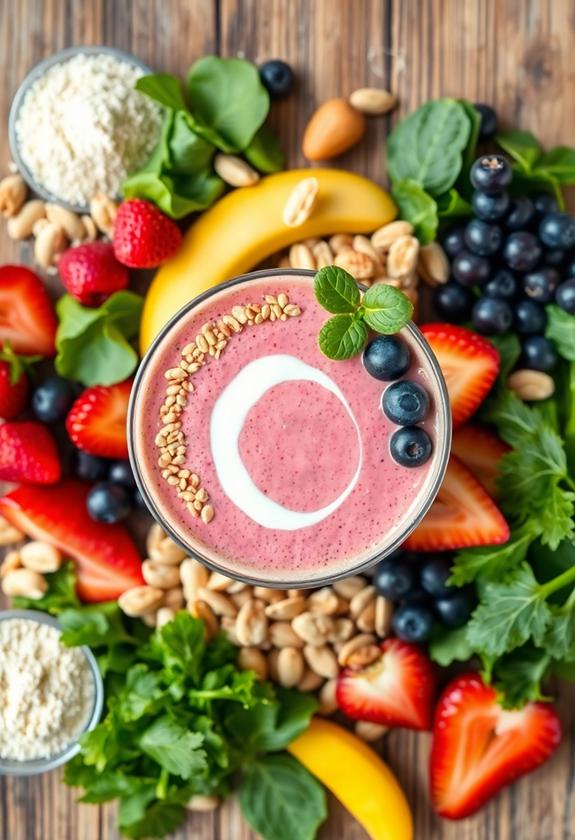
Despite the growing popularity of smoothies, many people still struggle with nutrient deficiencies in their diets. It's important to be aware of common deficiencies and address them in your smoothie recipes. Some key nutrients to focus on include iron, vitamin D, calcium, and omega-3 fatty acids. B12 absorption can be a concern, especially for those following plant-based diets. Don't forget about magnesium needs and potassium balance, which are vital for overall health. Fiber-rich ingredients are also essential for weight loss smoothies, helping to promote satiety and support digestive health.
To create nutrient-rich smoothies, consider incorporating:
- Leafy greens for iron and folate
- Fortified plant milk for calcium and vitamin D
- Chia or flax seeds for omega-3s
- Nuts and seeds for zinc and magnesium
Protein Power
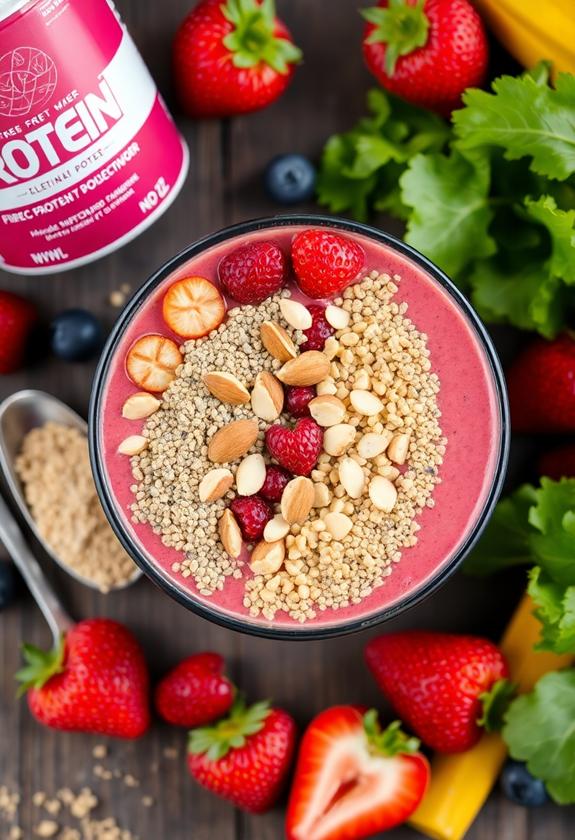
In addition to addressing common nutrient deficiencies, it's vital to focus on protein power in your smoothies. Protein is critical for building and repairing tissues, supporting your immune system, and keeping you feeling full. When crafting your smoothies, consider including a variety of protein sources like Greek yogurt, nut butters, or plant-based protein powders. These options can easily blend into your drink while boosting its nutritional value. Protein-rich smoothies are particularly effective at curbing cravings, making them an excellent choice for those looking to manage their appetite and maintain a balanced diet.
Don't forget about protein timing, too! It's best to consume protein throughout the day, so try having a protein-rich smoothie as a post-workout snack or breakfast. This way, you'll give your body the fuel it needs when it needs it most. Remember, everyone's protein needs are different, so listen to your body and adjust accordingly. With a little planning, you'll be on your way to protein-packed, nutrient-dense smoothies in no time!
Balancing Macronutrients
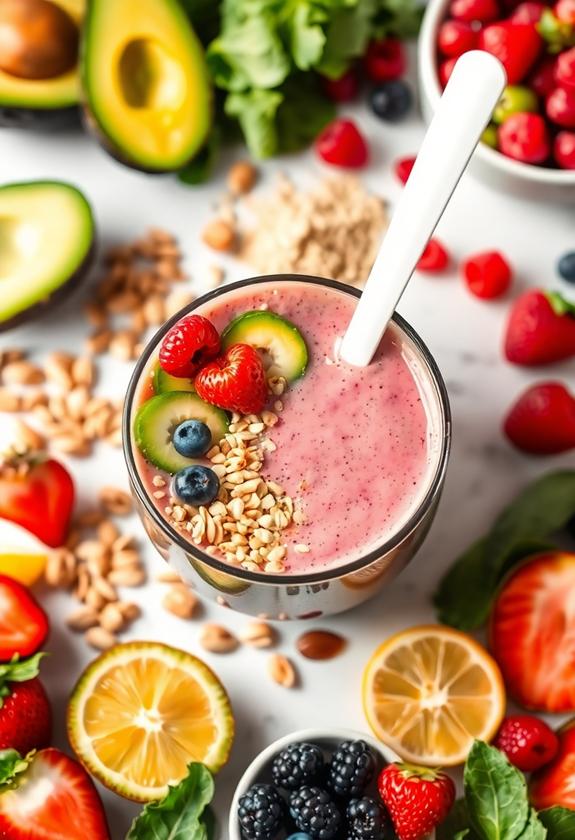
While protein is crucial, a truly balanced smoothie should incorporate all three macronutrients: proteins, carbohydrates, and fats. These essential components work together to fuel your body and keep you feeling satisfied. Smoothies for weight loss can be an effective tool when properly balanced. By incorporating a variety of nutrient-dense ingredients, you can guarantee your smoothies provide the necessary nutrients for peak health. When crafting your perfect smoothie, consider the following macronutrient ratios:
- 30% protein for muscle repair and growth
- 40% carbohydrates for energy and fiber
- 30% healthy fats for hormone balance and satiety
- Adjust ratios based on your personal needs and goals
Essential Vitamins and Minerals
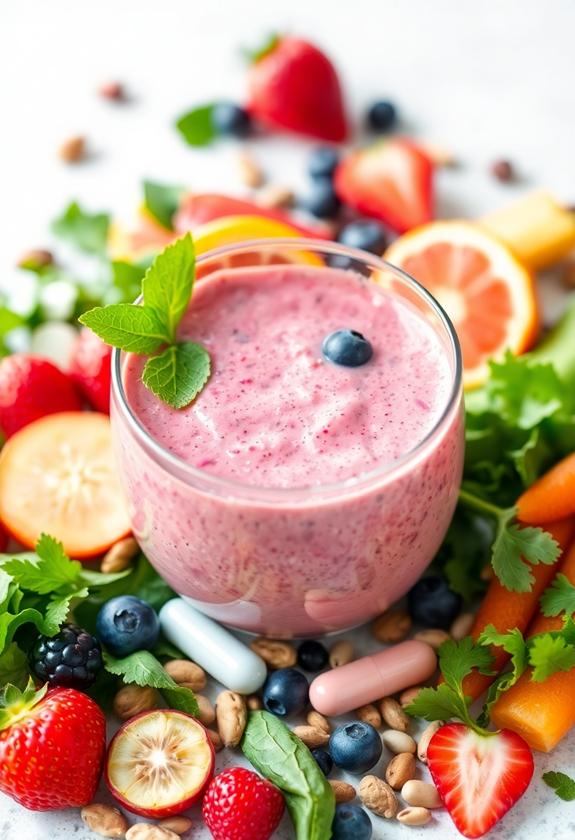
A rainbow of fruits and vegetables in your smoothie can provide a wealth of essential vitamins and minerals. You'll want to include a variety of vitamin sources, like leafy greens for folate and vitamin K, berries for vitamin C, and carrots for vitamin A. Don't forget about mineral variety, too! Bananas offer potassium, while chia seeds bring calcium and iron to the mix. To boost your B-vitamins, try adding some nutritional yeast or fortified plant milk. When crafting your smoothies, consider incorporating high-fiber ingredients to improve satiety and support weight management goals. These fiber-rich additions can also help maintain digestive health and stabilize blood sugar levels.
Fiber for Digestive Health
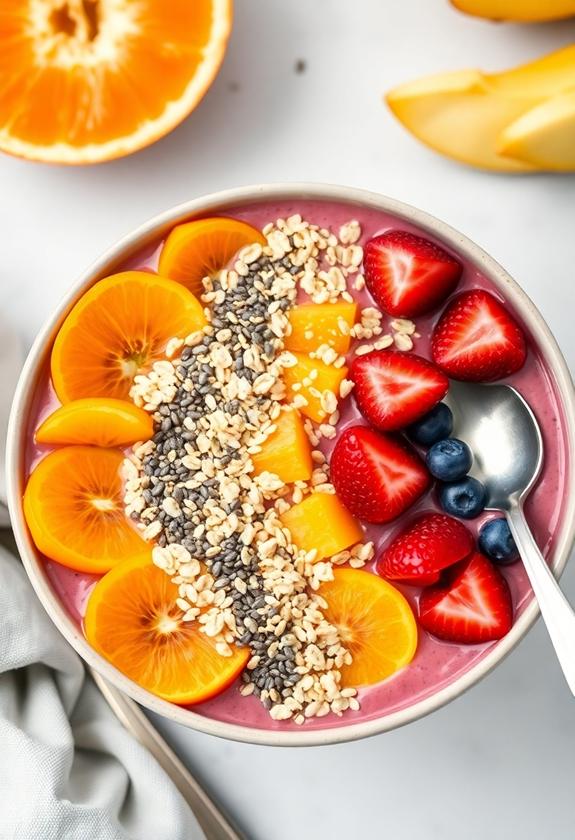
Fiber plays an essential role in maintaining digestive health, and smoothies offer an excellent opportunity to boost your daily intake. By incorporating various fiber sources into your blends, you'll reap numerous digestive benefits and support your gut health. There are two main fiber types: soluble and insoluble, both of which are important for a well-functioning digestive system. High-fiber smoothies can also help control appetite and promote weight loss, making them an excellent addition to a balanced diet.
To create fiber-rich smoothies, consider adding these nutrient-packed ingredients:
- Leafy greens like spinach and kale
- Berries, such as strawberries and raspberries
- Chia seeds or flaxseeds
- Whole fruits with edible skins, like apples and pears
These fiber-rich additions will not only help keep you feeling full but also promote regular bowel movements and support the growth of beneficial gut bacteria. Remember, a healthy gut is key to overall well-being, so don't skimp on fiber in your smoothies!
Healthy Fats Matter
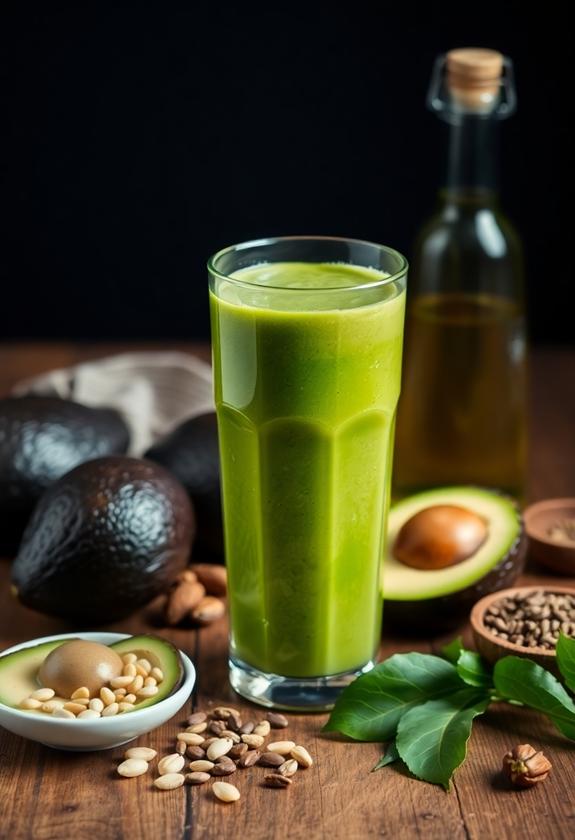
Healthy fats are often overlooked in smoothie-making, but they're just as important as fiber for a well-rounded, nutritious blend. These fats help your body absorb essential vitamins and minerals, keeping you feeling satisfied for longer. You'll want to include nutrient sources like avocados, nut butters, or chia seeds in your smoothies. Meal replacement smoothies can be an excellent way to incorporate these healthy fats into your diet while supporting weight loss goals. They're packed with omega-3 fatty acids and other beneficial compounds that support heart and brain health.
Don't shy away from adding a splash of healthy oils, too. Coconut oil, for example, can boost your metabolism and provide quick energy. Just remember, a little goes a long way! By incorporating these good fats into your smoothies, you're not only enhancing the flavor but also ensuring you're getting a complete spectrum of nutrients. Your body will thank you for the extra care and attention to this often-neglected aspect of nutrition.
Rotating Ingredients
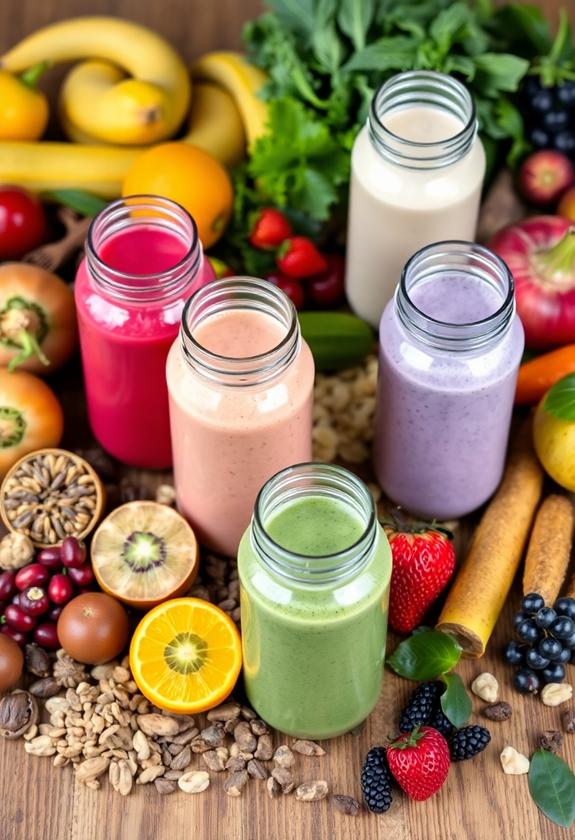
Variety is the spice of life, and it's also the key to a well-rounded nutritional profile in your smoothies. By rotating ingredients, you'll guarantee you're getting a diverse range of vitamins and minerals. Welcome ingredient variety by exploring different fruits, vegetables, and superfoods. Don't be afraid to mix things up! Incorporating delicious fruits into your smoothies can not only boost flavor but also aid in weight loss efforts. Some excellent options include berries, citrus fruits, and tropical varieties like pineapple or mango.
Take advantage of seasonal produce to keep your smoothies fresh and exciting. Imagine the colorful, nutrient-packed combinations you can create:
- Vibrant summer berries with leafy greens
- Autumn pumpkin with warming spices
- Winter citrus fruits for a vitamin C boost
- Spring greens and tender herbs for detoxification
Superfood Additions
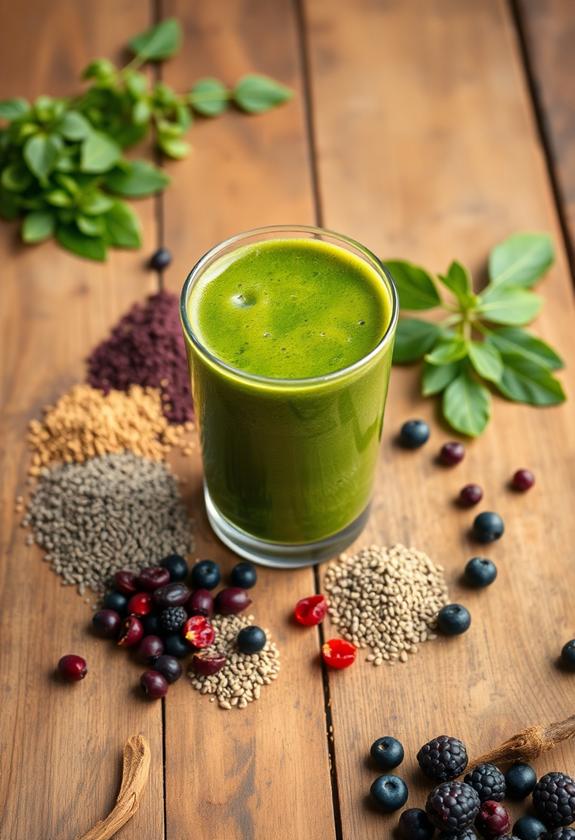
While rotating ingredients provides a solid foundation, superfoods can take your smoothies to the next level. These nutrient-dense powerhouses are packed with vitamins, minerals, and antioxidants that'll boost your health in amazing ways. You'll find a variety of superfood sources, from goji berries and chia seeds to spirulina and maca powder. Don't worry if you're not sure where to start – many companies offer convenient superfood blends that make it easy to add a scoop of goodness to your smoothie. Adding high-fiber ingredients like chia seeds or flaxseeds can help keep you feeling full and satisfied for longer periods.
When you're adding superfoods, keep in mind that a little goes a long way. Start with small amounts and gradually increase as you get used to the flavors. You'll love how these additions not only improve the nutritional value of your smoothies but also create exciting new taste combinations. Experiment with different superfoods to find your favorites and enjoy the health benefits they bring!
Liquid Bases
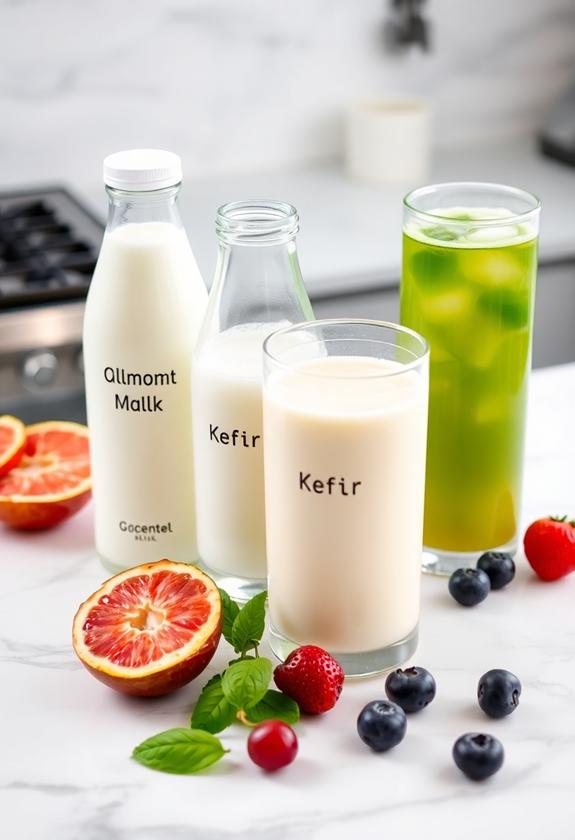
Choosing the right liquid base is essential for creating a delicious and nutritious smoothie. Your base preferences can greatly impact the flavor and nutritional value of your drink. When exploring liquid options, consider these wholesome choices:
- Unsweetened almond milk for a creamy, nutty taste
- Coconut water for natural electrolytes and hydration
- Greek yogurt for added protein and probiotics
- Green tea for a antioxidant boost and mild caffeine
These liquid bases can help you create delicious meal replacements that support your weight loss goals while ensuring you get essential nutrients. When selecting your base, consider how it complements your other ingredients to maximize flavor and nutritional benefits.
Don't be afraid to mix and match these liquids to find your perfect combination. If you're looking to increase calories, you can use whole milk or plant-based alternatives with higher fat content. For a lighter option, water or herbal tea work well. Remember, the liquid base you choose will affect the texture and consistency of your smoothie, so feel free to experiment until you find what works best for you.
Portion Control
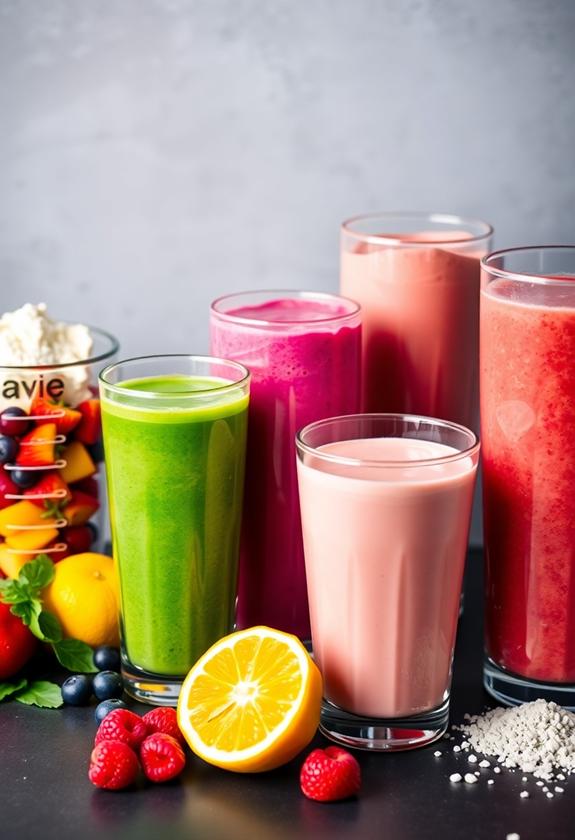
Although smoothies can be a nutritious meal replacement or snack, it's important to pay attention to portion sizes. When you're blending up your favorite ingredients, it's easy to get carried away and create a super-sized drink. However, this can lead to consuming more calories than you need, even if they're healthy calories. Mastering smoothies involves understanding common pitfalls and avoiding them to achieve your weight loss goals effectively.
To keep your smoothies balanced, follow serving guidelines for each ingredient. Aim for about 1 cup of fruit, 1-2 cups of leafy greens, and 1 cup of liquid base. Don't forget to include a protein source, like a scoop of protein powder or 1/4 cup of nuts. By controlling your portions, you'll guarantee that your smoothie provides the right amount of nutrients without overdoing it. Remember, a well-portioned smoothie can be just as satisfying and even more beneficial for your health!
Timing Your Smoothie Meals
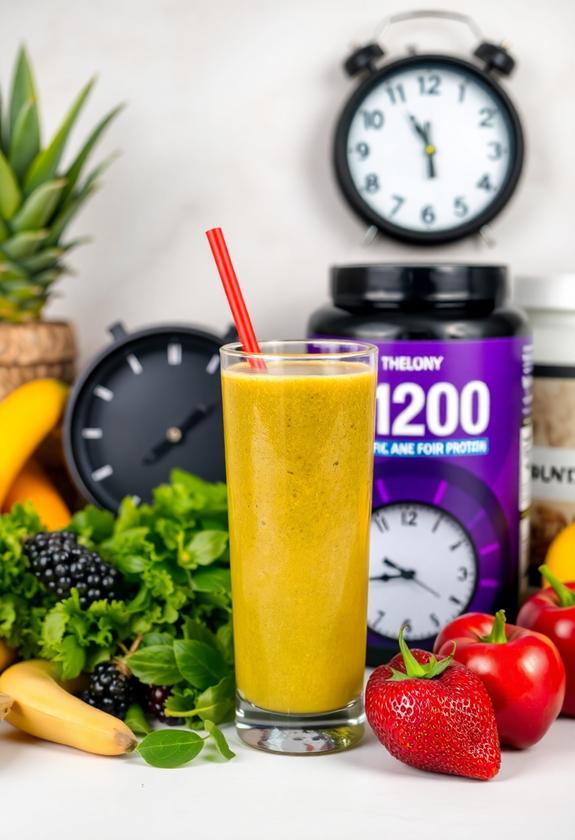
In terms of timing, when you consume your smoothie can significantly impact its benefits. Smoothie timing and meal scheduling play essential roles in maximizing nutrient absorption and maintaining energy levels throughout the day. Optimal weight loss can be achieved by strategically timing your smoothie consumption. This approach helps regulate blood sugar levels and supports a healthy metabolism. You'll want to take into account your daily routine and choose the best times that work for you. Here are four ideal moments to enjoy your nutrient-packed smoothie:
- As a hearty breakfast to kickstart your day
- For a mid-morning boost to ward off hunger pangs
- As a post-workout refuel to aid recovery
- For an afternoon pick-me-up to avoid energy slumps
Supplements to Consider
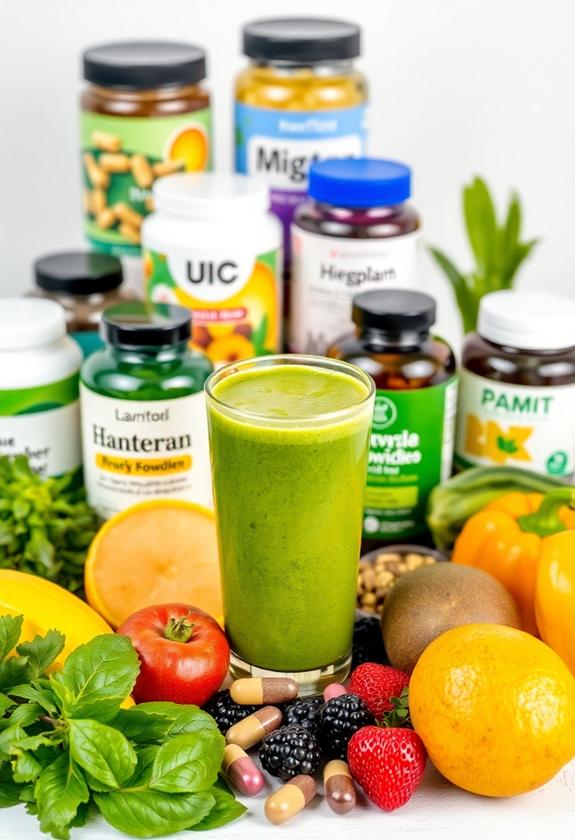
Several supplements can improve the nutritional value of your smoothies, addressing potential deficiencies in your diet. Consider adding protein powders, like whey or plant-based options, to boost your protein intake. They'll help you feel full and support muscle health. While smoothies can be effective for weight loss, it's important to verify they provide a balanced nutritional profile. Don't forget about vitamin supplements, too! A high-quality multivitamin can fill in any gaps in your diet, guaranteeing you're getting a wide vitamin variety. Omega-3 fatty acids are another great addition, supporting heart and brain health. If you're worried about iron levels, especially if you're following a plant-based diet, an iron supplement might be beneficial. Remember, it's always best to consult with a healthcare professional before adding new supplements to your routine. They'll help you choose the right ones for your unique needs and guarantee you're on the path to peak health.
Listen to Your Body
While supplements can improve your smoothies, they're not a substitute for listening to your body's signals. Pay attention to your hunger cues and practice mindful eating. Your body knows best regarding its nutritional needs. If you're feeling tired, weak, or experiencing unusual symptoms, it might be a sign that your smoothies aren't providing enough nutrients. Surprising facts about smoothies and weight loss can help you make informed decisions about your diet and nutrition. Keep in mind that smoothies should complement a balanced diet, not replace all solid foods.
Take a moment to check in with yourself daily:
- How's your energy level throughout the day?
- Are you feeling satisfied after your smoothie meals?
- Has your skin, hair, or nail health changed?
- Do you notice any digestive issues?
Frequently Asked Questions
Can Smoothies Replace All Meals in a Day?
While smoothies can be nutritious, replacing all your meals with them isn't ideal. You'd miss out on essential nutrients and the joy of varied textures. It's best to aim for smoothie variety and nutrient balance if you're including them in your diet. Try having a smoothie for breakfast or as a snack, but keep solid foods in your other meals. This way, you'll enjoy the benefits of smoothies without compromising your overall nutrition. Remember, balance is key to a healthy diet!
How Long Can I Safely Follow a Smoothie Meal Replacement Plan?
You might be excited to try an all-smoothie diet, but let's think about long-term sustainability. While it's safe for a few days or weeks, replacing all meals with smoothies isn't ideal for extended periods. Your body needs a variety of nutrients, textures, and eating experiences. To make it work longer, focus on smoothie variety and add solid foods gradually. Remember, your health is important, so listen to your body and consult a doctor if you're considering this for more than a month.
Are Store-Bought Smoothies as Nutritious as Homemade Ones?
You'll find that homemade smoothies often outshine store-bought options in terms of nutritional content and ingredient quality. When you make your own, you're in control of what goes in, ensuring fresh, whole ingredients. Store-bought smoothies can be convenient, but they might contain added sugars or preservatives. Don't worry, though! If you're short on time, some pre-made smoothies can still be nutritious. Just be sure to check the label carefully, looking for simple, recognizable ingredients you'd use at home.
Can Children Safely Replace Meals With Smoothies?
While smoothies can be a fun and tasty addition to your child's diet, it's best not to replace entire meals with them. Children need a variety of nutrients from whole foods to grow and thrive. Instead, you can offer smoothies as occasional snacks or alongside balanced meals. Focus on creating nutrient-rich blends with fruits, veggies, and protein sources. Experiment with different flavor combinations to keep things exciting and encourage your little ones to enjoy a wide range of nutritious foods.
Do Smoothies Interfere With Medication Absorption?
You're right to be concerned about your medications! Smoothies can indeed affect how your body absorbs certain medicines. The ingredients you choose, like fiber-rich fruits or calcium-packed dairy, might interfere with some medications. It's crucial to maintain a proper nutrient balance while ensuring your meds work effectively. Don't worry, though! You can still enjoy smoothies. Just be sure to chat with your doctor or pharmacist about the best timing for your smoothies and medications. They'll help you find the perfect balance!