Some links below are affiliate links. We earn a commission on purchases at no extra cost to you. Although our opinions are based on curated research, we haven't used these products. Article generated with AI.

How to Store Superfoods to Retain Their Nutritional Value
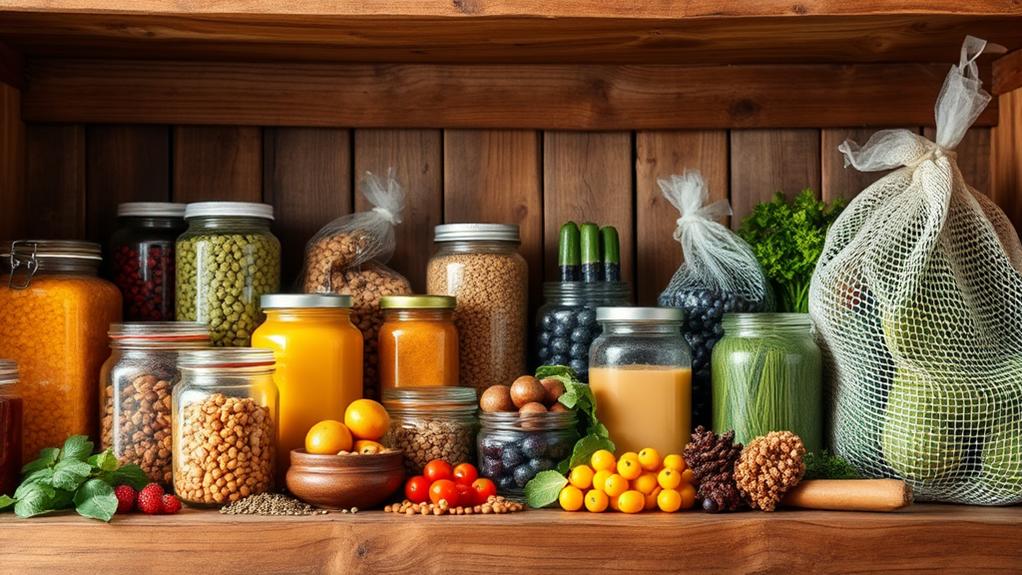
To retain the nutritional value of your superfoods, proper storage is key. Keep berries and delicate fruits in the fridge, using single layers and paper towels to prevent spoilage. Store leafy greens in slightly damp paper towels within perforated bags to maintain moisture. Nuts and seeds thrive in airtight containers in cool, dark places, while powders and supplements need protection from light and moisture. Whole grains and pseudocereals should be kept in sealed containers in a dry pantry. For fermented superfoods, use glass jars and refrigerate. Exotic fruits and superfood oils require specific care to preserve their benefits. By following these tips, you'll guarantee your superfoods stay fresh and nutritious. There's even more to learn about maximizing your superfood storage!
Table of Contents
hide
Key Takeaways
- Store most superfoods in cool, dark places to maintain their nutritional value and freshness.
- Use airtight containers to protect powders, nuts, and seeds from moisture and air exposure.
- Refrigerate leafy greens wrapped in damp paper towels to preserve their nutrients and crispness.
- Freeze berries and delicate fruits to extend their shelf life and retain antioxidant properties.
- Keep superfood oils in dark glass bottles or stainless steel containers to prevent degradation.
Understanding Superfood Storage Basics
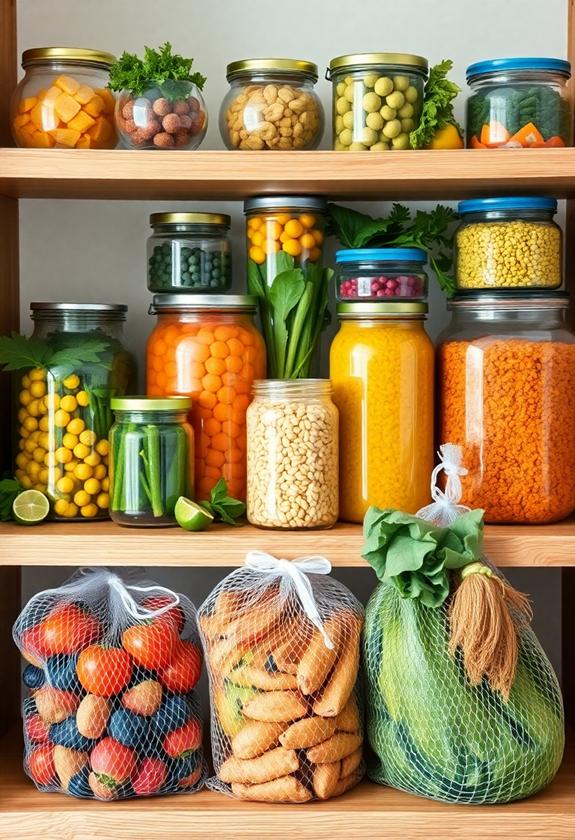
Proper storage is the key to maintaining the nutritional value and freshness of superfoods. When you bring these nutrient-packed gems home, it's important to understand the basics of storing them correctly. Temperature control plays an important role in preserving their goodness. Most superfoods thrive in cool, dark places, away from direct sunlight and heat sources. You'll want to keep an eye on moisture levels, too. Some superfoods, like dried berries or nuts, prefer a dry environment, while others, such as leafy greens, need a bit of humidity to stay crisp. Proper storage techniques can help maintain the potency of these nutritional powerhouses, guaranteeing you get the most out of their health benefits. By following the right storage methods, you can extend the shelf life of your superfoods and preserve their essential nutrients. Don't worry if this seems overwhelming at first – with a little practice, you'll become a pro at storing your superfoods. Remember, proper storage not only extends their shelf life but also makes sure you're getting the most nutritional bang for your buck.
Berries and Delicate Fruits
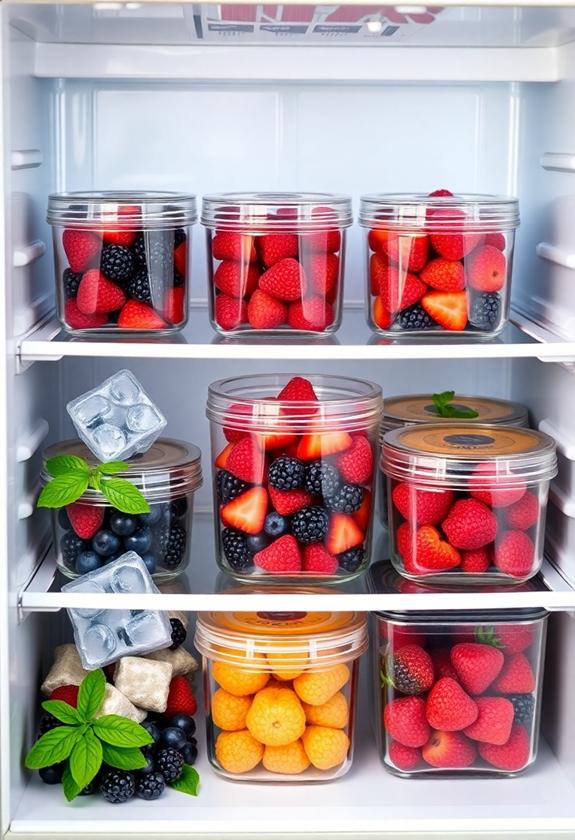
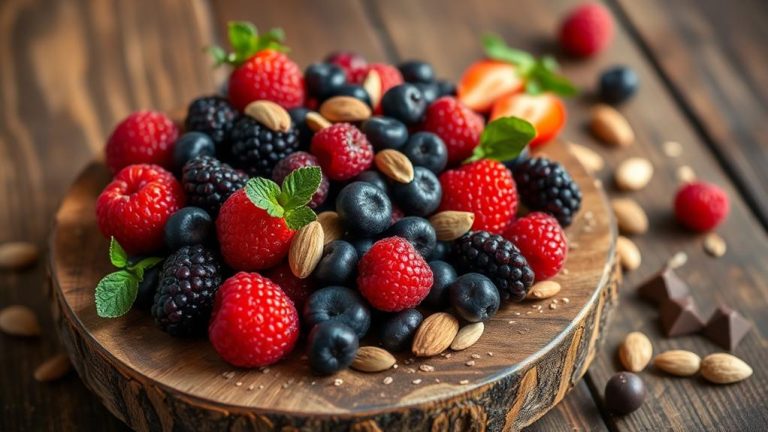
In terms of berries and delicate fruits, storage can make or break their longevity and nutritional value. These vibrant superfoods are packed with antioxidants and vitamins, but they're also quick to spoil. Don't worry, though! You've got options to keep them fresh and nutritious. Berries are particularly beneficial when incorporated into smoothie recipes, as they provide a potent dose of antioxidants in a delicious and easily digestible form.
For short-term storage, gently rinse your berries and pat them dry. Place them in a single layer in a container lined with paper towels, and refrigerate. This method works wonders for a few days. If you're thinking long-term, freezing berries is your best bet. Spread them on a baking sheet, freeze until solid, then transfer to a freezer bag. For other delicate fruits, consider drying them. This concentrates their nutrients and extends their shelf life. With these tips, you'll always have nature's candy at your fingertips!
Leafy Greens and Cruciferous Vegetables
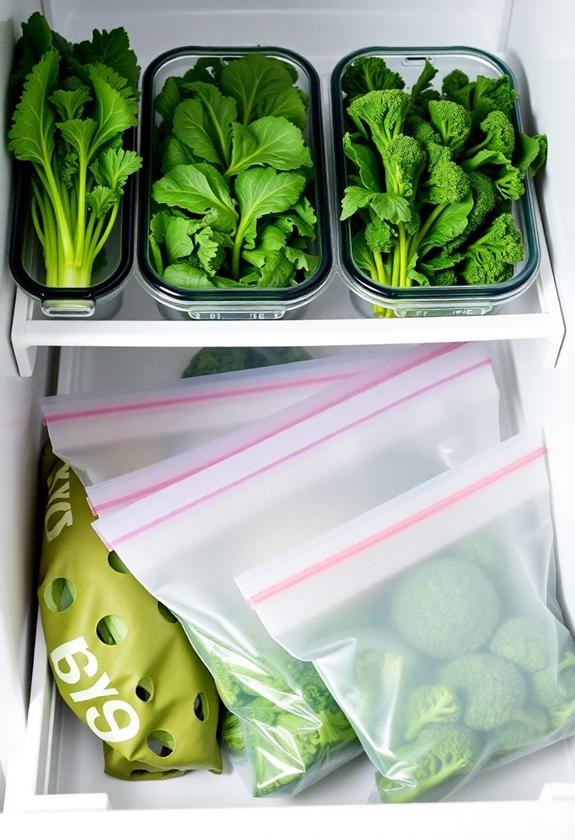
Moving from nature's candy to nature's powerhouses, leafy greens and cruciferous vegetables are nutritional heavyweights that deserve special attention in your storage routine. These immune-boosting superfoods can significantly enhance your smoothie game when properly stored. Regarding leafy green storage, your best bet is to keep them cool and moist. Wrap your greens in slightly damp paper towels, then place them in a perforated plastic bag in the crisper drawer of your fridge. This method helps maintain the perfect balance of humidity, keeping your greens fresh and crisp for longer.
For cruciferous vegetable preservation, focus on keeping them dry and cool. Store broccoli, cauliflower, and Brussels sprouts unwashed in the crisper drawer, using perforated bags to allow air circulation. Remember, these veggies need to breathe! By following these simple steps, you'll guarantee your nutritious greens stay fresh and vibrant, ready to fuel your body with their amazing benefits.
Nuts and Seeds
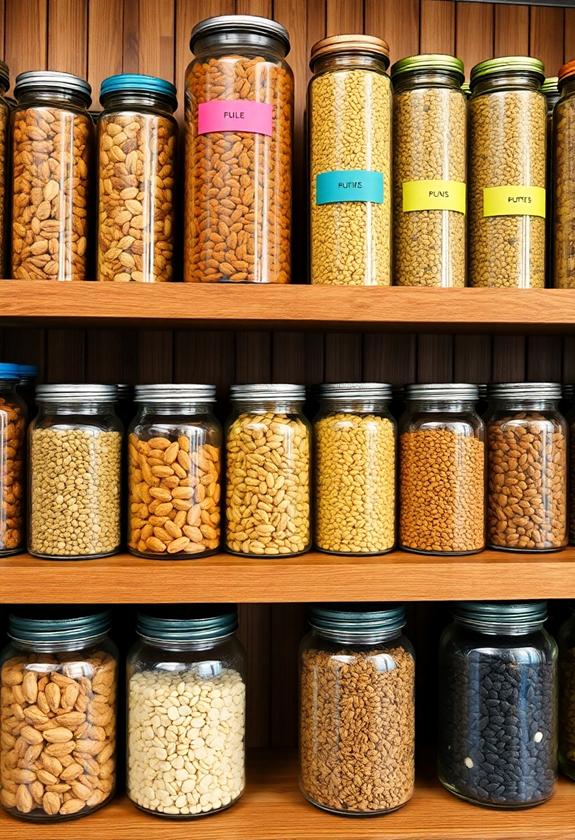
Powerhouses of protein and healthy fats, nuts and seeds deserve careful storage to maintain their nutritional value and taste. To preserve their nut benefits, keep them in airtight containers in a cool, dark place. Your pantry or refrigerator works well, depending on how quickly you'll use them. For longer storage, the freezer is your best friend. It'll keep those delicious morsels fresh for months! When selecting quality superfoods, it's important to choose fresh, raw nuts and seeds for peak nutritional value. Look for nuts that are not discolored or shriveled, as these may be signs of age or improper storage.
When it comes to seed storage, the same rules apply. Keep them away from heat, light, and moisture to prevent rancidity. Don't forget to label your containers with purchase dates, so you can enjoy them at their peak. Remember, proper storage isn't just about preserving taste – it's about keeping all those wonderful nutrients intact. With a little care, you'll always have these nutritional powerhouses ready to boost your meals and snacks!
Powders and Supplements
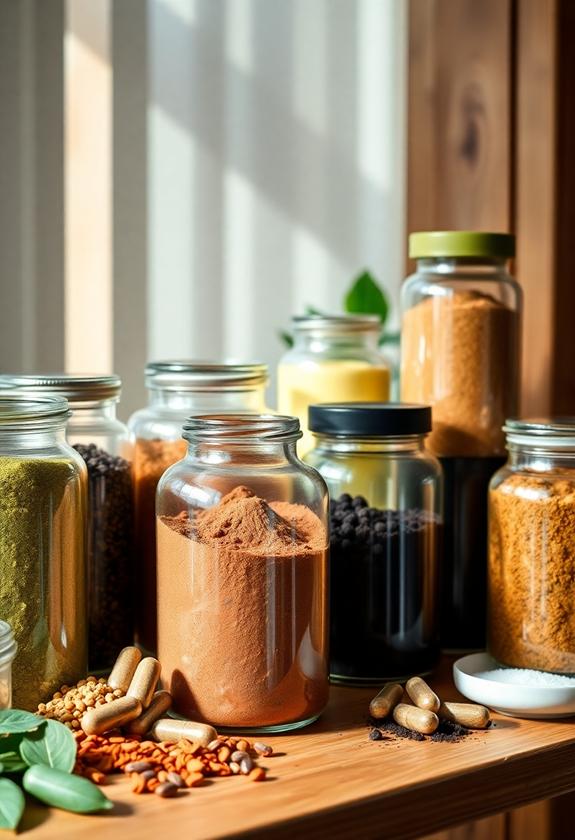
Superfood powders and supplements come with their own set of storage rules. To keep your protein powders and other supplements fresh, it's essential to understand their shelf life. Whether you're using organic or synthetic products, proper storage is key to maintaining their potency. Always follow dosage recommendations and use airtight storage containers to protect against moisture. Boost your smoothies by incorporating these superfood secrets into your daily routine, ensuring maximum nutritional benefits.
When it comes to blending techniques, experiment with different methods to find what works best for you. Don't be afraid to try flavor improvements to make your superfood drinks more enjoyable. Remember, the way you store these powders can greatly impact their nutritional value. Keep them in a cool, dry place away from direct sunlight. By taking care of your superfood powders and supplements, you're ensuring that you'll get the most out of these amazing nutritional powerhouses. Your body will thank you!
Whole Grains and Pseudocereals
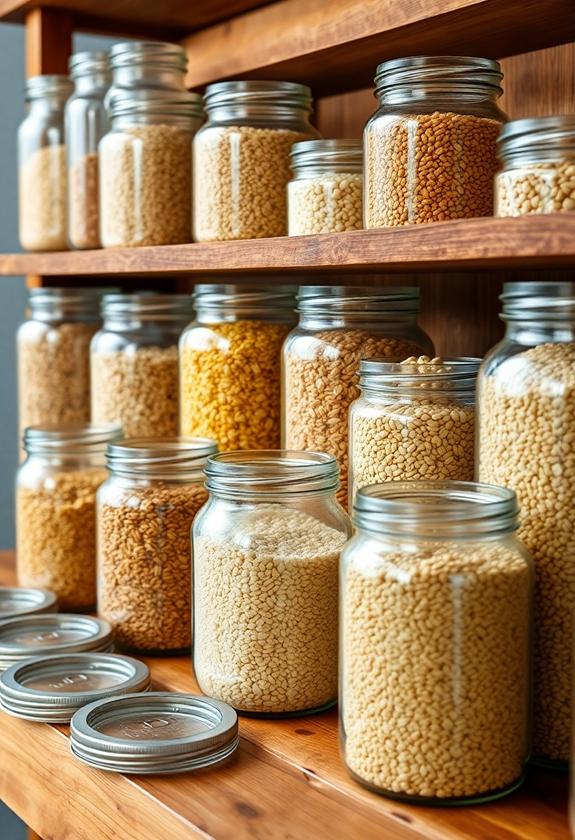
Among the most nutritious superfoods, whole grains and pseudocereals stand out for their versatility and long shelf life. You'll love how easy it is to keep these powerhouses fresh! For quinoa storage and amaranth preservation, use airtight containers in a cool, dry place. They'll stay delicious for months! Buckwheat tips include keeping it away from moisture to maintain its nutty flavor. Chia seeds are tiny champions of longevity, but remember to seal them tight to preserve their omega-3s. When preparing your perfect smoothie, these superfoods can add essential nutrients and a delightful texture. Millet's longevity shines when stored in the pantry, while farro freshness lasts longer in the fridge. Teff techniques are simple: keep it dry and cool. For barley care, a sealed jar in a dark spot works wonders. With these easy steps, you'll always have nutritious grains ready for your favorite recipes!
Fermented Superfoods
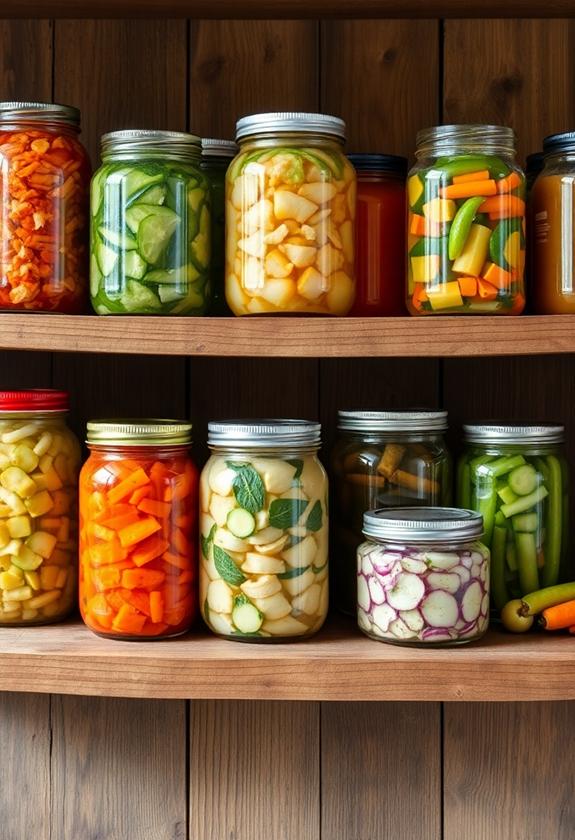
While many superfoods boast impressive nutritional profiles, fermented varieties take it a step further by improving digestibility and boosting beneficial bacteria. When storing these probiotic powerhouses, it's essential to maintain their live cultures. For kombucha benefits to thrive, keep your brew in airtight glass bottles in the fridge. The kimchi fermentation process continues even after packaging, so store it in the coldest part of your refrigerator to slow this down. Remember, probiotic importance can't be overstated, so choose storage containers wisely. Opt for glass or ceramic jars with tight-fitting lids to keep your fermented goodies fresh and potent. Turmeric and ginger, known for their immune-boosting properties, can also be fermented to improve their benefits. By giving these foods a little extra care, you'll guarantee they retain their amazing health benefits. You're doing great by incorporating these superfoods into your diet, and with proper storage, you'll maximize their potential!
Exotic Superfruits
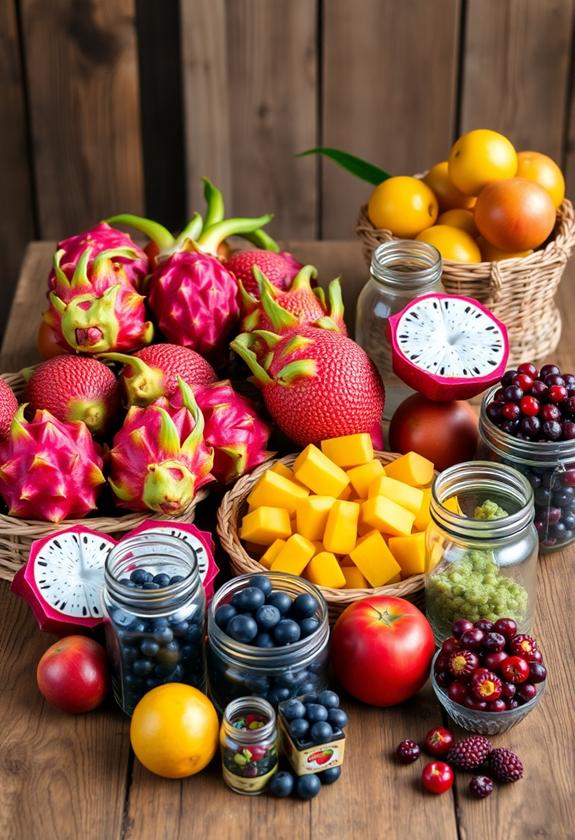
From far-flung corners of the world, exotic superfruits have made their way into health-conscious kitchens. These vibrant, nutrient-packed fruits offer a delightful twist to your daily diet. When storing acai, keep it frozen to preserve its rich antioxidants. You'll love how easy it is to whip up a refreshing acai bowl on hot summer days. For dragon fruit, choose firm ones with bright, even-colored skin. Store them at room temperature if you'll eat them within a few days, or refrigerate for longer shelf life. These hydrating superfoods can contribute to glowing, healthy skin when incorporated into your diet regularly. Remember, cutting into these beauties exposes their delicate flesh, so wrap any unused portions tightly in plastic wrap. Don't be intimidated by their unusual appearance; these superfruits are just waiting to boost your health and tantalize your taste buds. Welcome the adventure of trying new flavors while nourishing your body!
Superfood Oils and Fats
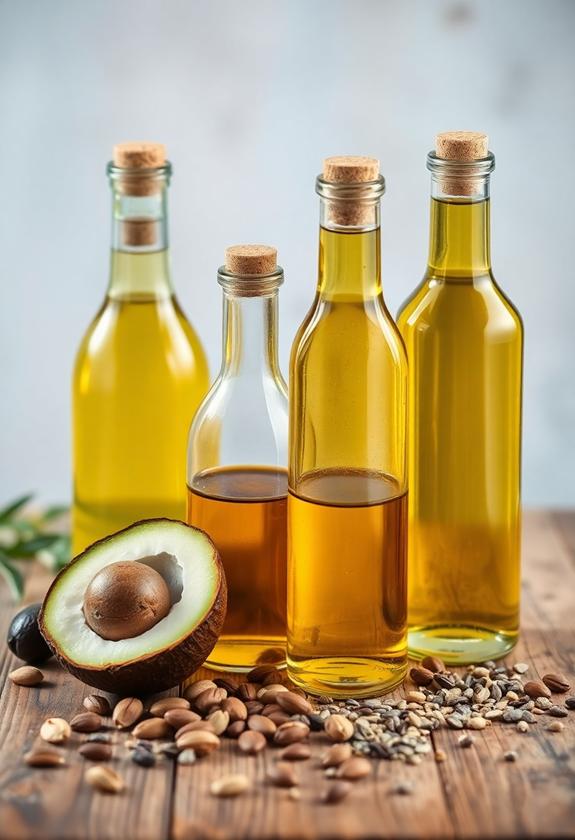
Shifting our focus from exotic fruits to nutrient-dense fats, let's investigate superfood oils and fats. These powerful liquids are packed with health benefits, but they need special care to stay fresh. Detox smoothie superfoods often include healthy oils, which can boost the nutritional value of your blends significantly. For superfood preservation techniques, always keep your oils in a cool, dark place. Light and heat can quickly degrade their quality, so store them away from your stove and sunny windows. In terms of ideal storage containers, opt for dark glass bottles or stainless steel. These materials protect your oils from harmful light exposure. You'll want to make sure the containers have tight-fitting lids to keep air out, which can cause rancidity. Remember, your superfood oils are precious, so treat them with love! With proper storage, you'll be able to enjoy their incredible nutrition for months to come.
Frequently Asked Questions
Can Superfoods Be Frozen Without Losing Their Nutritional Value?
Yes, you can absolutely freeze superfoods without losing their nutritional value! In fact, freezing is one of the best ways to preserve nutrients. When you use proper freezing techniques, like quickly freezing fresh produce at peak ripeness, you're locking in those valuable vitamins and minerals. It's a fantastic way to guarantee nutrient retention. Don't worry about losing the goodness – your frozen superfoods will be ready to power up your meals whenever you need them. Just remember to use airtight containers to protect against freezer burn!
How Long Do Homemade Superfood Smoothies Last in the Refrigerator?
You'll be happy to know that your homemade superfood smoothies can last in the fridge for up to 2-3 days. However, it's best to drink them within 24 hours to get the most nutritional benefits. Over time, you might notice some nutritional degradation and changes in taste or texture. To maximize your smoothie's shelf life, store it in an airtight container, filling it to the brim to minimize air exposure. Remember, if it smells off or looks unusual, it's safer to make a fresh batch!
Are Superfood Powders More Nutritious Than Their Whole Food Counterparts?
Don't judge a book by its cover! In terms of superfood powders versus whole foods, it's not always a clear-cut choice. Superfood powders can be convenient and concentrated, but they're often processed and may lose some nutrients. Whole foods, on the other hand, give you the full package of fiber, vitamins, and minerals. While powders can be a great supplement, they shouldn't replace whole foods in your diet. Remember, variety is key to getting all the nutrients your body needs!
Can Cooking or Processing Superfoods Enhance Their Nutritional Benefits?
You'll be happy to know that cooking and processing can actually improve the nutritional benefits of some superfoods! Certain cooking methods, like steaming or lightly sautéing, can break down cell walls, making nutrients more accessible to your body. This enhances nutrient absorption, allowing you to get the most out of your superfoods. For example, cooked tomatoes release more lycopene, and lightly cooked spinach can increase iron availability. It's exciting to see how simple preparation can boost your food's superpowers!
Are There Any Superfoods That Should Not Be Stored Together?
You'll want to be mindful of superfood compatibility when storing your nutritious treasures. Some superfoods, like apples and potatoes, shouldn't be kept together because apples release ethylene gas, which can make potatoes sprout faster. It's best to store fruits and vegetables separately, using different storage methods. Keep your leafy greens away from ethylene-producing fruits, and bear in mind that some berries, like strawberries, can absorb odors from other foods. With a little care, you'll keep your superfoods fresh and potent!