Some links below are affiliate links. We earn a commission on purchases at no extra cost to you. Although our opinions are based on curated research, we haven't used these products. Article generated with AI.

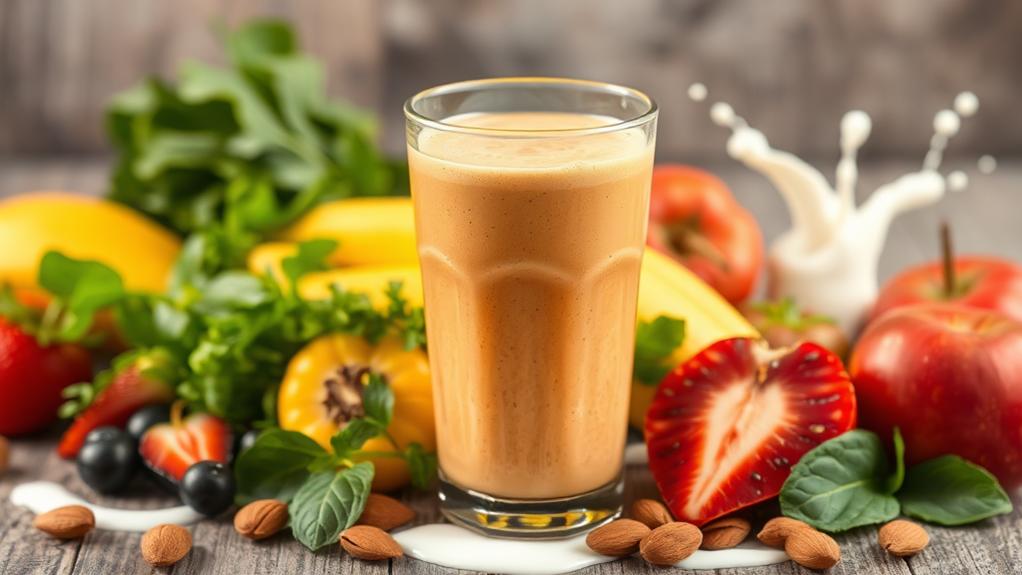
The Importance of Calcium in Kids’ Diets and How Smoothies Can Help
Calcium is essential for your child's growing bones and overall health. It supports strong teeth, proper muscle function, and nerve transmission. As kids grow, their bodies need plenty of calcium to build peak bone mass, setting the stage for lifelong skeletal health. If you're worried about calcium deficiency, smoothies can be a delicious solution. They're an easy way to pack in calcium-rich ingredients like yogurt, leafy greens, and fortified plant milks. Plus, smoothies are fun to make and customize, which can help overcome picky eating habits. By getting creative with calcium-packed recipes, you'll give your kids a nutritious boost they'll actually enjoy. Discover how to make calcium-rich smoothies a regular part of your family's diet.
Table of Contents
hide
Key Takeaways
- Calcium is essential for strong bones, proper muscle function, and overall growth in children.
- Adequate calcium intake during childhood supports optimal peak bone mass and prevents future health issues.
- Smoothies offer a delicious and versatile way to boost calcium intake, appealing to children's tastes.
- Calcium-rich smoothie ingredients include dairy products, leafy greens, and fortified plant-based milks.
- Involving kids in smoothie preparation can increase their interest in nutrition and healthy eating habits.
Why Calcium Matters for Kids

Three key reasons highlight why calcium is essential for kids. First, it's important for bone development, helping children build strong, healthy skeletons that'll support them throughout life. Second, calcium plays a significant role in childhood nutrition, contributing to overall growth and well-being. Finally, it aids in proper muscle function and nerve transmission, which are important for active, growing bodies. High-calcium smoothies can be a delicious and fun way to boost your child's calcium intake, making it easier to meet their nutritional needs.
You'll want to guarantee your child gets enough calcium during their formative years. It's not just about preventing future issues like osteoporosis; it's about giving them the best foundation for a healthy life. Remember, childhood is a key time for calcium absorption, and the habits they form now can impact their health for years to come. By prioritizing calcium-rich foods, you're investing in your child's future.
Signs of Calcium Deficiency

While ensuring adequate calcium intake is essential, it's just as significant to recognize when your child might not be getting enough. Watch for signs like muscle cramps, particularly in the legs, which can indicate a calcium deficiency. You might notice your child complaining of weakness or fatigue, as calcium plays a vital role in muscle function. Dental issues, such as weak teeth or delayed tooth development, can also be red flags. In severe cases, you may observe changes in your child's posture or bone structure. Calcium-rich smoothies can be an excellent way to boost your child's calcium intake and prevent deficiency symptoms. These tasty drinks can incorporate both dairy and non-dairy calcium sources, making them suitable for various dietary needs.
If you're concerned about your child's calcium intake, don't worry! There are many delicious calcium sources you can incorporate into their diet. From dairy products to leafy greens, you'll find plenty of options to boost their calcium levels and keep those deficiency symptoms at bay.
Calcium-Rich Foods for Children
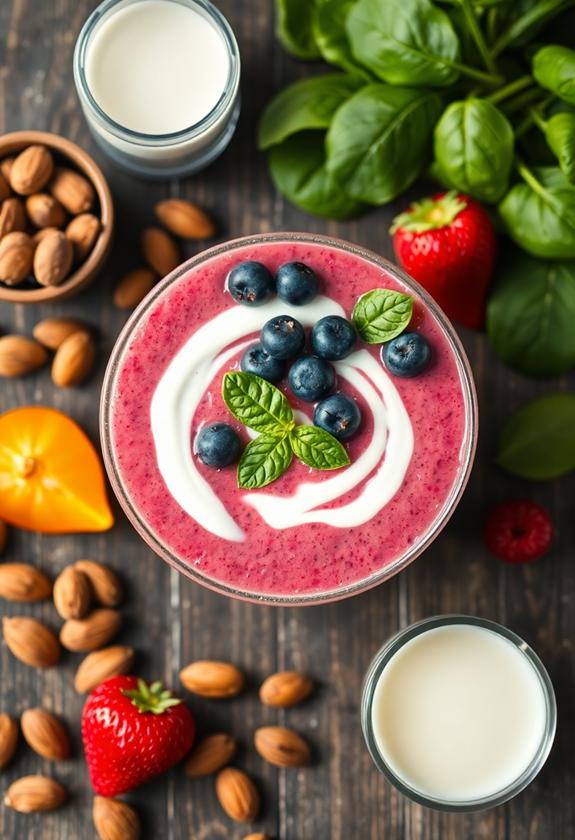
Packed with crucial nutrients, calcium-rich foods are essential for your child's growth and development. You'll find excellent calcium sources in dairy products like milk, yogurt, and cheese. But don't worry if your little one isn't a fan of dairy – there are plenty of other options! Leafy greens, such as kale and spinach, are surprisingly high in calcium. Fish with soft, edible bones, like sardines and canned salmon, are also great choices. For a fun twist, try calcium-fortified foods like orange juice or cereals. Delicious smoothies can be an excellent way to boost your child's calcium intake while providing a tasty treat. Experimenting with different smoothie recipes can make getting enough calcium more enjoyable for kids. Remember, nutrition education starts at home, so involve your child in meal planning and preparation. This won't just help them learn about healthy eating – it'll make trying new calcium-rich foods an exciting adventure! With a little creativity, you can guarantee your child gets the calcium they need to grow strong and healthy.
Smoothies as Calcium Delivery Method
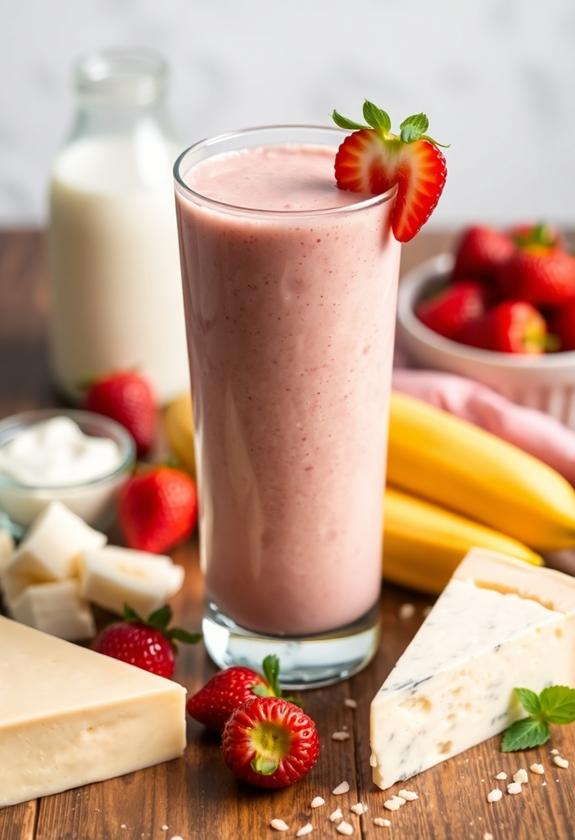
Smoothies offer a delicious and versatile way to boost your child's calcium intake. By blending calcium-rich ingredients with other nutritious foods, you're creating a tasty treat that's packed with essential nutrients. Delicious high-calcium smoothies can be a great addition to your family's diet, providing both nutrition and enjoyment. Experiment with creative combinations to find flavors your kids will love.
Here are four calcium-packed smoothie ideas:
- Banana-berry yogurt blast
- Creamy spinach and mango delight
- Almond milk and chia seed surprise
- Orange and tofu tropical twist
When choosing smoothie ingredients, focus on dairy products, leafy greens, and calcium-fortified foods. You'll be amazed at how easy it is to sneak in extra calcium without your kids even noticing! Remember, smoothies are a fun and interactive way to get your children involved in their nutrition. Let them help pick ingredients or press the blender button. With a little creativity, you'll be serving up calcium-rich smoothies in no time!
Kid-Friendly Calcium-Packed Smoothie Recipes
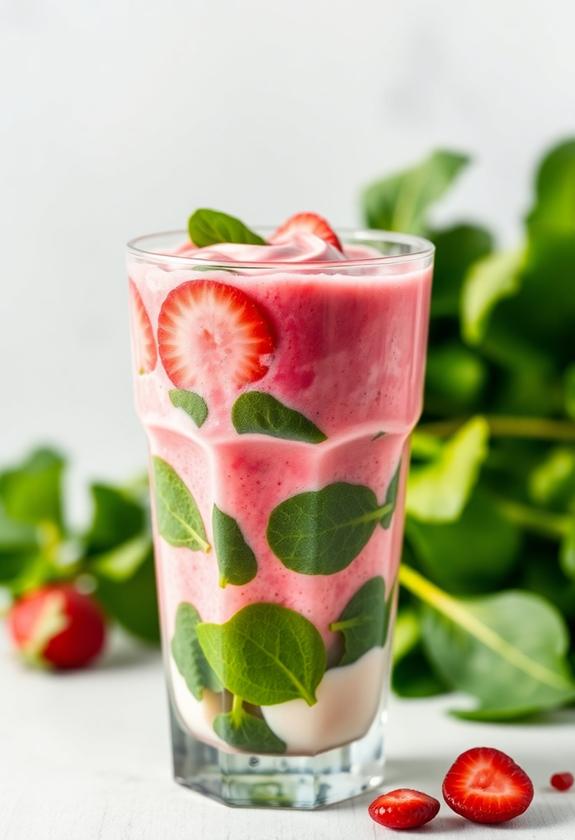
Considering the previous discussion on calcium-rich smoothies, let's plunge into some specific kid-friendly recipes. You'll love these delicious smoothie flavor combinations that are both nutritious and appealing to young taste buds. Essential ingredients for high-calcium smoothies include dairy products, leafy greens, and fortified plant-based milk alternatives. Try a Berry Bonanza smoothie with strawberries, blueberries, and yogurt, or a Tropical Twist with mango, pineapple, and coconut milk. For a green option, blend spinach, banana, and almond milk for a Hulk-inspired treat. Don't forget to add fun smoothie toppings like colorful sprinkles, sliced fruit, or a dollop of whipped cream to make them even more enticing. Remember, the key is to make these calcium-packed smoothies visually appealing and tasty. By involving your kids in the process, you'll create a positive experience around healthy eating that they'll look forward to every day.
Incorporating Dairy Alternatives
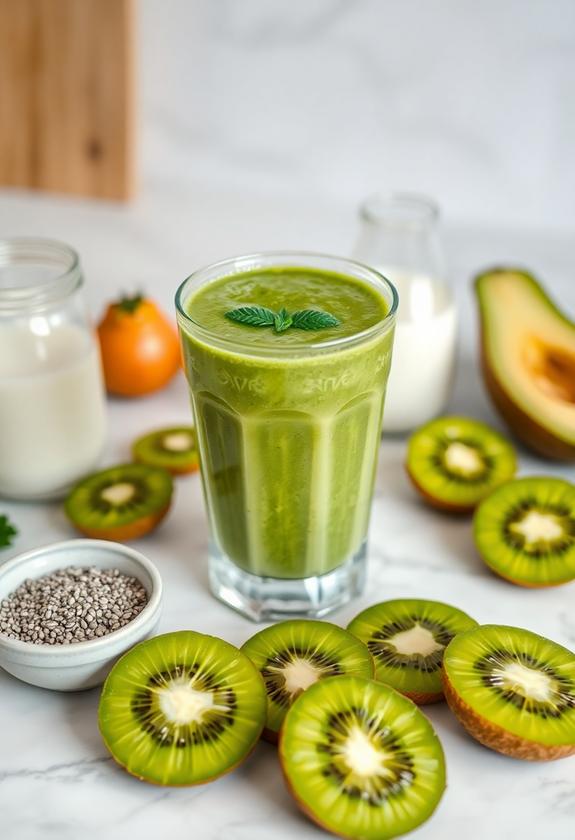
Considering dietary restrictions or preferences, incorporating dairy alternatives into your child's calcium-rich diet is essential. Plant-based options can be just as effective in providing the necessary nutrients. You'll find a variety of delicious, calcium-fortified dairy alternatives that your kids will love. Delicious smoothies can be an excellent way to introduce these alternatives to your children, making it easier for them to get the calcium they need.
Here are some great dairy alternatives to try in your child's smoothies:
- Almond milk
- Soy milk
- Coconut milk
- Oat milk
These options not only add calcium but also bring unique flavors to your smoothies. Don't be afraid to experiment with different combinations to find your child's favorite. Remember, consistency is key when introducing new foods. Be patient and encouraging as your little one adjusts to these new tastes. With a little creativity and persistence, you'll soon have a calcium-rich smoothie that your child enthusiastically looks forward to every day.
Boosting Calcium Absorption Naturally

Maximize your child's calcium intake by focusing on natural ways to improve absorption. One key factor is vitamin D, which helps the body absorb calcium more effectively. Encourage your little one to spend time outdoors, soaking up sunlight to stimulate vitamin D production. You can also include vitamin D-rich foods like fatty fish, egg yolks, and fortified cereals in their diet. Immune-boosting smoothies can also be a great way to incorporate calcium-rich ingredients and other nutrients that support overall health.
Pair calcium-rich foods with those high in vitamin C, such as citrus fruits or bell peppers, to improve calcium absorption. Reducing sodium intake can also help, as excess salt can lead to calcium loss. Remember to spread calcium consumption throughout the day, as the body absorbs smaller amounts more efficiently. By incorporating these simple strategies, you'll be helping your child's body make the most of the calcium they consume, supporting strong bones and overall health.
Overcoming Picky Eating Habits
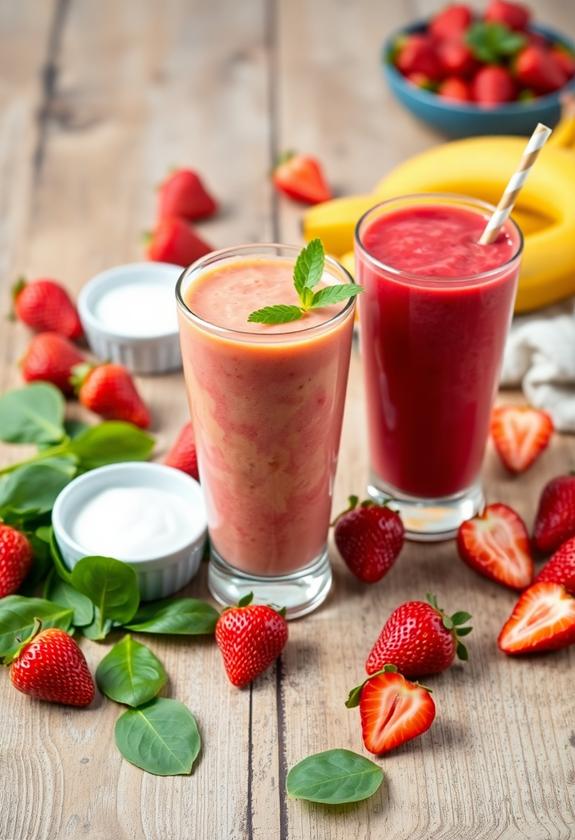
Picky eating can throw a wrench in your efforts to guarantee your child gets enough calcium. Don't worry, though! You've got plenty of tricks up your sleeve to make calcium-rich foods more appealing. Kid-friendly green smoothies can be a great way to sneak in calcium-rich ingredients while keeping things tasty and fun. Try these fun strategies to overcome picky eating:
- Get creative with smoothies, blending in fruits and veggies for exciting flavor combinations
- Offer colorful, calcium-packed snacks like yogurt parfaits or cheese cubes
- Let your child help in the kitchen, fostering excitement about healthy meals
- Use creative toppings to make dishes more visually appealing and tasty
Balancing Calcium With Other Nutrients
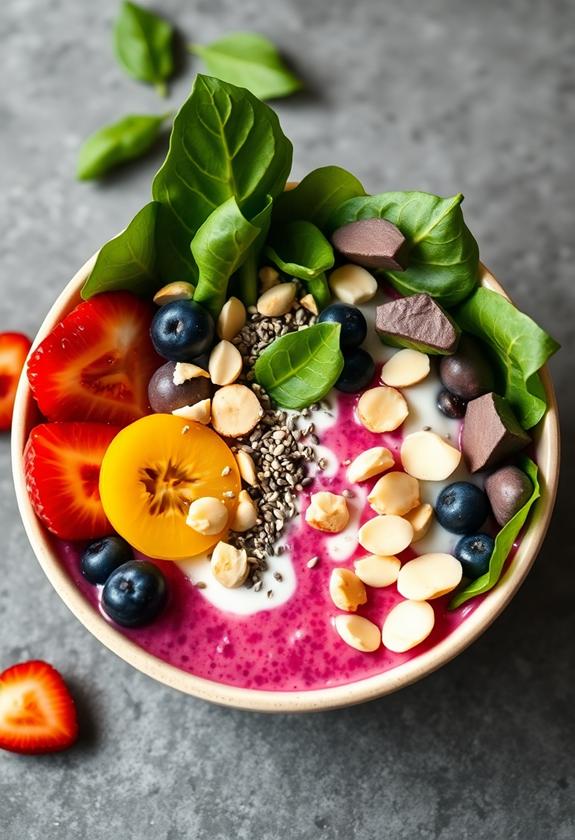
While focusing on calcium is important, it's just one piece of the nutritional puzzle. You'll want to balance calcium sources with other essential nutrients to support your child's overall health. Consider the concept of nutrient synergy, where different vitamins and minerals work together for better absorption and utilization in the body. Protein-packed smoothies can be an excellent way to boost your child's morning nutrition, providing a balanced mix of essential nutrients alongside calcium.
For example, vitamin D helps your child's body absorb calcium more effectively. Iron is critical for growth and development, while fiber supports digestive health. When you're creating smoothies or planning meals, think about incorporating a variety of fruits, vegetables, and proteins alongside calcium-rich ingredients. This approach guarantees your child gets a well-rounded diet that supports their growing body. Remember, every nutrient plays a fundamental role, and by offering a diverse range of foods, you're setting your child up for long-term health success.
Frequently Asked Questions
Can Children Consume Too Much Calcium?
Yes, children can consume too much calcium, but it's rare. You don't need to worry unless they're taking high-dose supplements. Most kids get enough calcium from food sources like dairy, leafy greens, and fortified products. Calcium toxicity is uncommon when eating a balanced diet. Still, it's important to follow recommended daily intakes. If you're concerned, talk to your child's doctor. They'll help guarantee your little one's getting just the right amount for healthy growth and development.
At What Age Should Parents Start Focusing on Calcium Intake?
Did you know? Calcium intake matters from day one! You should focus on your child's calcium needs right from birth. As your little one grows, their calcium requirements change. By six months, introduce calcium-rich foods alongside breastmilk or formula. Dietary guidelines suggest 200mg daily for infants, increasing to 700mg by age three. Don't worry, there are plenty of calcium sources to investigate! From dairy to leafy greens, you'll find delicious options to keep your child's bones strong and healthy.
How Does Exercise Affect Calcium Absorption in Children's Bodies?
Exercise is a fantastic calcium booster for your child's body! When they're active, their bones become more efficient at absorbing calcium from food sources. It's like a superpower for their growing skeleton! Regular physical activity, whether it's jumping, running, or dancing, helps strengthen bones and improves overall calcium uptake. So, encourage your kids to play and move around – it's not just fun, but it's also helping them build strong, healthy bones for life!
Are There Any Medications That Interfere With Calcium Absorption in Kids?
You're on the ball for asking about medications and calcium! It's true, some medicines can interfere with calcium absorption in kids. Certain antibiotics, anti-seizure drugs, and corticosteroids may affect how well your child's body uses calcium. Don't worry, though! Your doctor can guide you on balancing medications with calcium supplements or dietary sources. Remember, there's always a way to guarantee your little one gets the calcium they need. Keep up the great work in caring for your child's health!
Can Vitamin D Supplements Replace the Need for Calcium-Rich Foods?
While vitamin D supplements are fantastic for helping your body absorb calcium, they can't replace calcium-rich foods entirely. You still need to include good calcium sources in your diet. Think of vitamin D as a helper, making sure your body uses calcium effectively. But it's the calcium itself that's essential for strong bones and teeth. So, keep enjoying those calcium-packed foods, and let vitamin D be their trusty sidekick!