Some links below are affiliate links. We earn a commission on purchases at no extra cost to you. Although our opinions are based on curated research, we haven't used these products. Article generated with AI.

Age-Appropriate Tasks for Kids in the Smoothie-Making Process
Involving kids in smoothie-making is a fantastic way to teach them about nutrition and kitchen skills. You can start with toddlers by letting them pour pre-measured ingredients and investigate fruit textures. Preschoolers can help select fruits and press blender buttons under supervision. Elementary-age children can measure ingredients, follow simple recipes, and learn basic blending techniques. Older kids can create shopping lists, research nutritional benefits, and develop their own recipes. Teens can plan menus, shop for ingredients, and even teach younger siblings. Remember to prioritize safety by teaching proper equipment handling and supervising when necessary. The smoothie-making process offers a wealth of age-appropriate tasks to investigate together.
Table of Contents
hide
Key Takeaways
- Assign tasks based on age groups, from toddlers to teens, ensuring safety and skill-appropriate involvement.
- Toddlers can participate through sensory experiences, while preschoolers can help with simple tasks like peeling fruits.
- Early elementary children can measure ingredients and operate blenders with supervision, fostering independence in the kitchen.
- Middle childhood and teens can plan menus, shop for ingredients, and create their own recipes.
- Emphasize safety for all ages, including proper hand washing, equipment handling, and adult supervision when necessary.
Toddlers (Ages 2-3)
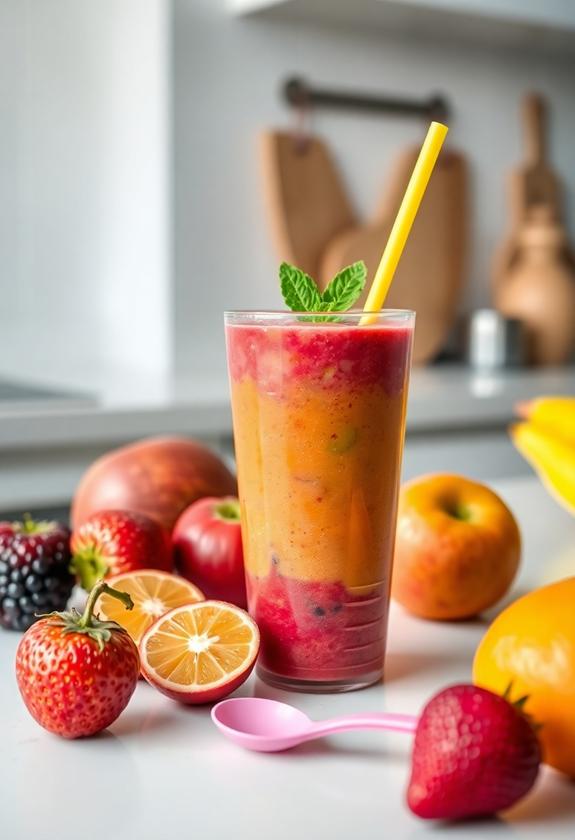
Excitement bubbles as toddlers take their first steps into the kitchen. You'll find that even at this young age, they can participate in smoothie-making with your guidance. Start by involving them in color sorting tasks, letting them pick out fruits and vegetables based on hue. This not only helps with color recognition but also sparks their interest in different ingredients. Creating a kid-friendly smoothie bar at home can make this process even more engaging and fun for your little ones.
Texture exploration is another fantastic way to engage your little ones. Let them touch and feel various fruits, describing soft bananas or bumpy strawberries. You can also have them help pour pre-measured ingredients into the blender, fostering a sense of accomplishment. Always supervise closely and keep them away from sharp objects or electrical components. Remember, it's not about perfection but about creating positive associations with healthy food preparation. Your toddler's beaming smile as they contribute to the family's snack is priceless.
Preschoolers (Ages 4-5)
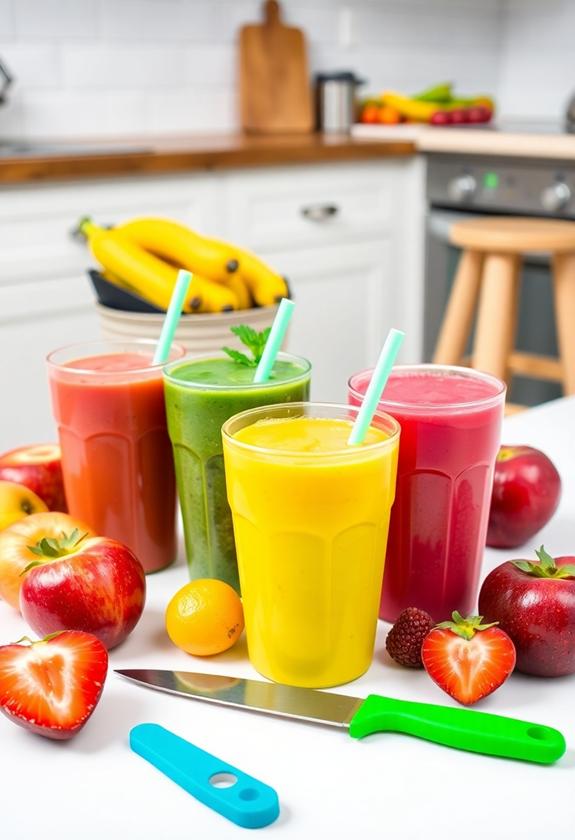
Preschoolers aged 4-5 are ready to take on more involved tasks in smoothie-making. They're developing fine motor skills and can handle more complex instructions, making them perfect little helpers in the kitchen. Empowering kids through smoothie-making can lead to increased confidence and a sense of accomplishment. Let's investigate some fun, age-appropriate activities for your preschooler:
- Choosing fruits from a selection you've prepared
- Peeling bananas or removing strawberry tops
- Measuring ingredients with your guidance
- Pressing the blender buttons (with supervision)
Encourage your child to make fruit choices, letting them feel empowered in the process. They'll love the blending fun, watching as the ingredients whirl into a delicious drink. Remember to praise their efforts and let them taste the results. This is a great opportunity to teach about healthy eating while spending quality time together. Always prioritize safety, keeping sharp objects and hot surfaces out of reach.
Early Elementary (Ages 6-8)
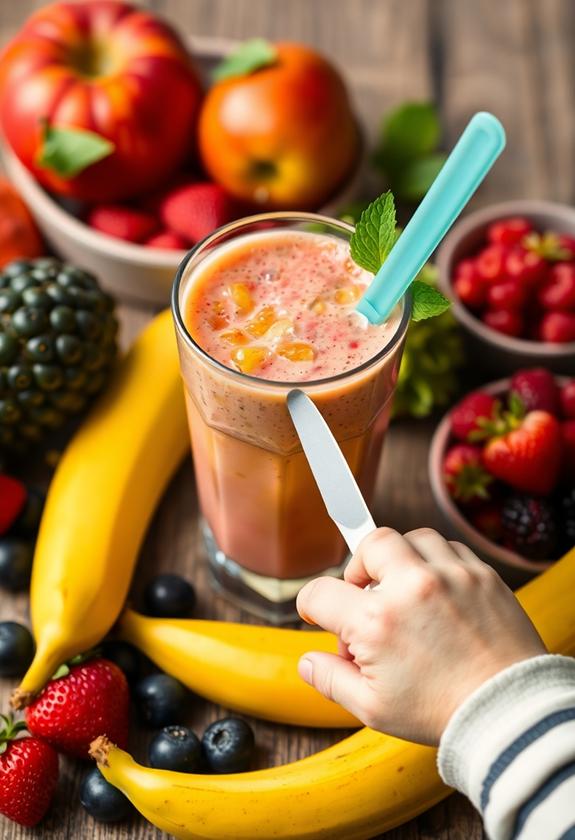
As children enter early elementary school, their abilities and independence grow significantly. At this age, they're ready to take on more responsibility in the smoothie-making process. You can now trust them to measure and add smoothie ingredients to the blender, under your watchful eye. They'll love feeling like little chefs as they carefully scoop fruits, yogurt, and other tasty additions. This age group can also start learning about flavor combinations and how different ingredients affect the taste and texture of their smoothies.
It's also a great time to introduce basic blending techniques. Show them how to secure the lid properly and teach them about different blender settings. With your guidance, they can learn to pulse ingredients and understand when a smoothie is perfectly blended. Remember to always prioritize safety, but don't be afraid to let them investigate and experiment. This hands-on experience will boost their confidence and foster a love for healthy eating habits.
Older Elementary (Ages 9-11)
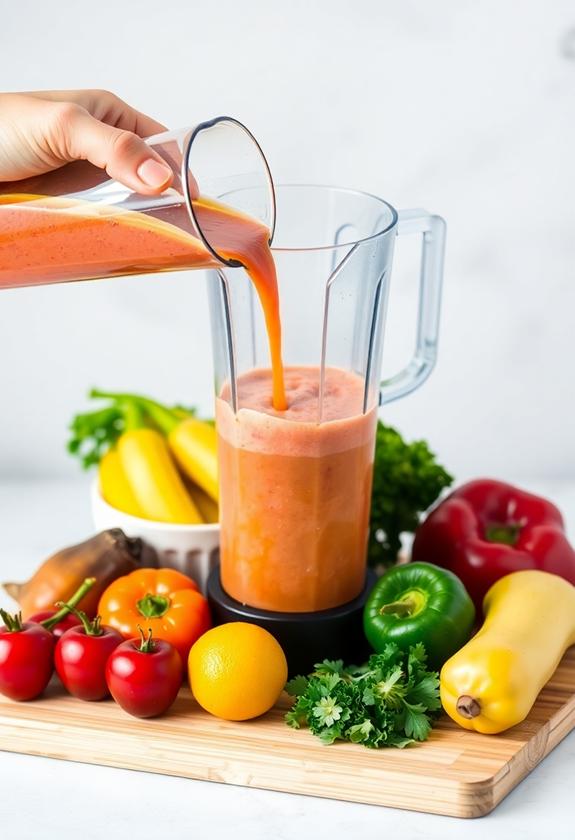
Children aged 9-11 are ready to take on more complex tasks in smoothie-making. They're developing a keen interest in nutrition and can investigate the nutritional benefits of different ingredients. Encourage them to create their own flavor combinations, experimenting with fruits, vegetables, and even herbs. You'll be amazed at their creativity! Encouraging creativity in the kitchen can help kids develop a lifelong interest in healthy eating and cooking. This age group is particularly receptive to learning about the nutritional value of various ingredients.
At this age, kids can handle more responsibilities in the kitchen. Here's what they can do:
- Measure ingredients accurately using measuring cups and spoons
- Operate a blender with supervision, learning about safety
- Read and follow simple recipes, understanding measurements and steps
- Clean up after smoothie-making, including washing dishes and wiping surfaces
Middle Schoolers (Ages 12-14)
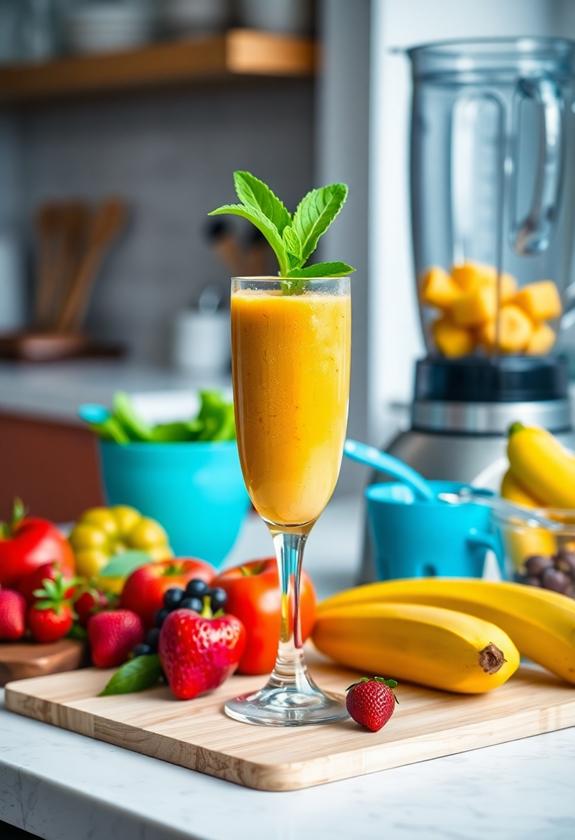
Middle schoolers, aged 12-14, are ready to take on even more responsibility in the smoothie-making process. You can now trust them with tasks that require greater skill and understanding. Encourage them to investigate nutritional education by researching the benefits of different ingredients and creating their own flavor combinations. They can measure ingredients precisely, operate blenders safely, and even clean up afterward. Let them experiment with new recipes, adjusting quantities to perfect taste and texture. This age group can also learn about proper food storage and hygiene practices. Engaging kids in fun smoothie-making adventures can help foster creativity and a love for healthy eating. As they gain confidence, allow them to teach younger siblings or friends how to make smoothies. By involving them in menu planning and grocery shopping for ingredients, you'll help develop their decision-making skills. Remember to praise their efforts and creativity, fostering a love for healthy eating and cooking.
High Schoolers (Ages 15-18)
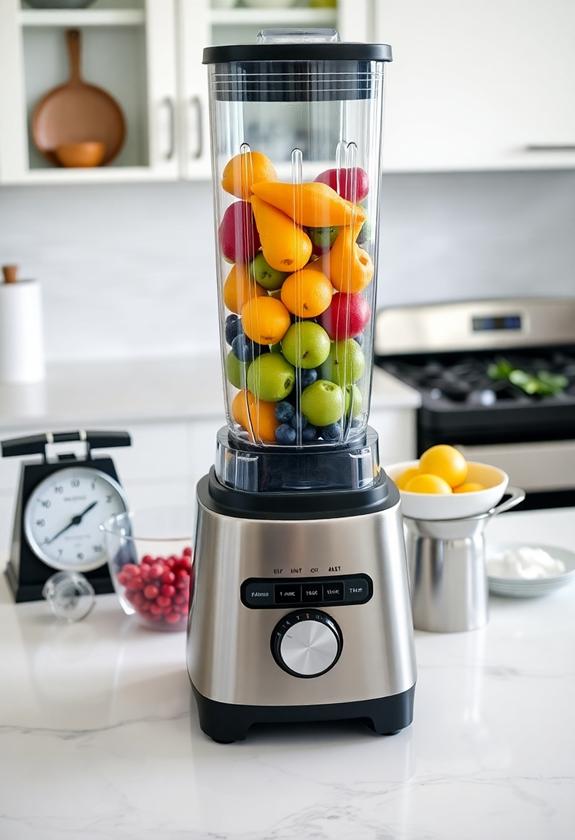
High schoolers can take full ownership of the smoothie-making process. They're ready to investigate nutritional education and flavor experimentation, creating their own unique blends. Encourage them to research ingredients, understand their benefits, and craft personalized recipes. They can confidently operate all kitchen equipment, from blenders to juicers, while maintaining safety standards. Teens can examine energy-boosting ingredients to create smoothies that provide an after-school pick-me-up.
Here's what high schoolers can do:
- Plan a weekly smoothie menu, considering nutritional balance
- Shop for ingredients, comparing prices and quality
- Prep ingredients in advance for quick, daily smoothies
- Clean and maintain equipment properly
You'll be amazed at their creativity and independence! They might surprise you with interesting flavor combinations or nutrient-packed concoctions. Support their journey by discussing their choices and offering gentle guidance when needed. This is a wonderful opportunity for them to develop lifelong healthy habits and culinary skills.
Safety Tips for All Ages
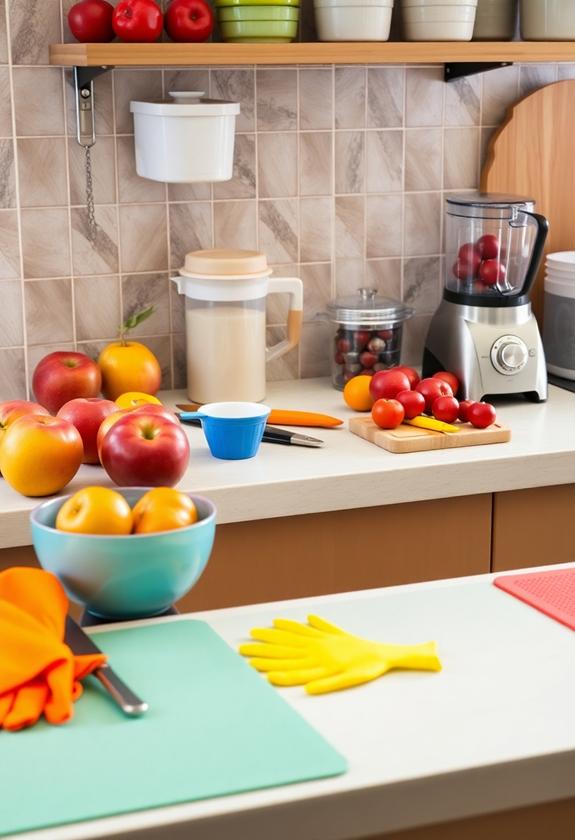
While smoothie-making can be a fun and educational activity for all ages, it's important to prioritize safety throughout the process. Always start by washing your hands and cleaning your workspace thoroughly. Regarding kitchen safety, keep a watchful eye on younger children and teach them proper equipment handling techniques. After-school smoothies can be a great way to refuel kids and teach them about nutrition. Show them how to safely use blenders, avoiding contact with moving blades. Encourage the use of non-slip mats to prevent spills and falls. It's essential to supervise the use of sharp objects like knives, ensuring proper grip and cutting techniques. While working with electrical appliances, make sure cords are safely tucked away and outlets are protected. Remember, creating a safe environment isn't just about rules; it's about fostering confidence and independence in the kitchen. With these precautions, you'll create delicious smoothies and lasting memories!
Frequently Asked Questions
How Can I Make Smoothie-Making a Fun Family Activity?
You'll love making smoothies as a family! It's a fantastic way to bond and investigate exciting flavor combinations. Get everyone involved by assigning tasks: let the kids wash fruits, measure ingredients, or press the blender button. You can even turn it into a fun competition, creating unique smoothie recipes together. Don't forget to taste-test and rate each other's creations. This activity not only nourishes your bodies but also strengthens your family ties, creating sweet memories that'll last a lifetime.
What Are the Best Fruits and Vegetables for Kid-Friendly Smoothies?
You'll love exploring kid-friendly smoothie ingredients! For fruit combinations, try sweet and colorful options like strawberries, bananas, mangoes, and blueberries. They're not only delicious but also packed with vitamins. For vegetable options, spinach and carrots are great choices, as they blend well and add nutrients without overpowering the taste. You can even sneak in some kale or cucumber for extra goodness. Don't be afraid to mix and match – you might discover your family's new favorite blend!
How Can Smoothie-Making Teach Kids About Nutrition and Healthy Eating Habits?
You'll be amazed at how smoothie-making can turn your kids into nutrition superstars! It's a fun, hands-on way to teach them about nutritional education and healthy choices. As they blend colorful fruits and veggies, you can chat about vitamins, minerals, and the importance of a balanced diet. They'll learn to read labels, understand portion sizes, and discover new flavors. Plus, they'll feel proud and confident in their ability to create delicious, healthy treats for themselves and others.
Are There Any Allergen Concerns When Involving Kids in Smoothie Preparation?
When involving kids in smoothie preparation, you'll want to be mindful of allergen concerns. It's essential to practice allergen identification, carefully checking all ingredients for potential triggers. You can make smoothie-making safe and fun by discussing food allergies with your children and teaching them to read labels. If needed, investigate ingredient substitutions to accommodate allergies. Remember, creating a safe environment doesn't mean limiting creativity – it's an opportunity to discover new, delicious combinations while keeping everyone healthy and happy!
What Kitchen Tools Are Essential for Kid-Friendly Smoothie Making?
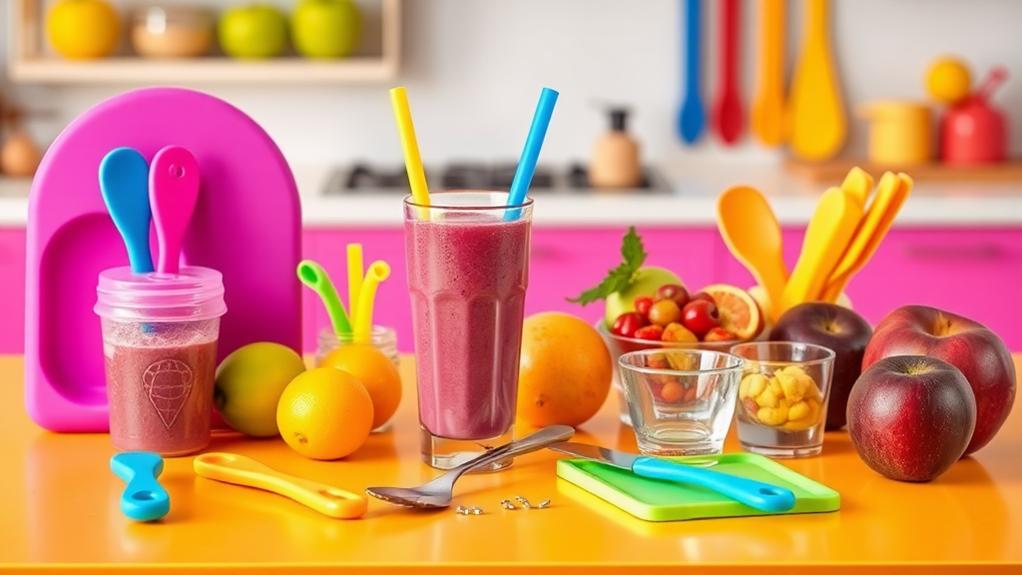
Did you know that 70% of kids enjoy helping in the kitchen? For kid-friendly smoothie making, you'll need a few essential tools. First, a sturdy blender with safety features is a must. You'll also want measuring cups and spoons, which help kids learn about quantities. Don't forget colorful, unbreakable cups for serving! A set of child-safe knives can be great for older kids to help with fruit prep. Remember, your guidance and enthusiasm are the most important tools for making smoothies fun and safe!