Some links below are affiliate links. We earn a commission on purchases at no extra cost to you. Although our opinions are based on curated research, we haven't used these products. Article generated with AI.

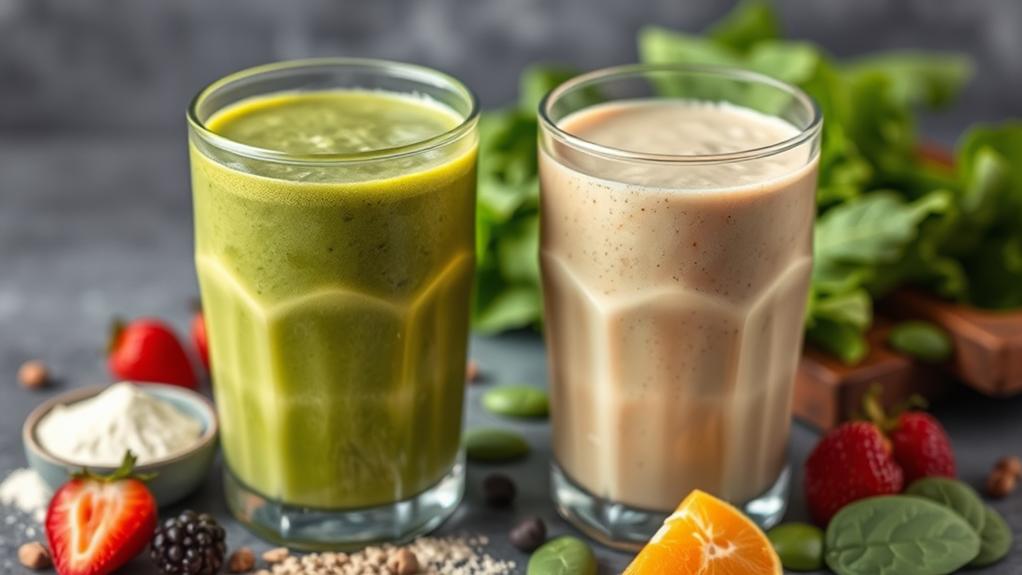
Plant-Based vs. Whey Protein: Which Is Better for Smoothies?
When choosing between plant-based and whey protein for your smoothies, both options have their merits. Whey protein offers a complete amino acid profile and blends smoothly, giving your smoothie a creamy texture. It’s also typically more affordable. Plant-based proteins, on the other hand, are great for vegans and those with dairy sensitivities. They often provide additional nutrients like fiber and antioxidants. While some plant proteins may have an earthier taste, many brands now offer smooth, neutral-flavored options. Your choice ultimately depends on your dietary needs, taste preferences, and health goals. Let’s examine these protein powders in more detail to help you make the best decision for your smoothies.
Table of Contents
hide
Key Takeaways
- Whey protein offers superior mixability and a smoother texture in smoothies compared to most plant-based proteins.
- Plant-based proteins provide additional nutrients like fiber and antioxidants, enhancing the nutritional profile of smoothies.
- Whey protein typically has a milder flavor, while some plant-based proteins may have earthy or grassy notes that affect smoothie taste.
- Plant-based proteins are suitable for vegans and those with dairy sensitivities, offering more inclusive smoothie options.
- Whey protein generally provides more protein per serving, potentially making it more effective for muscle-building smoothies.
Understanding Protein Powders
When you’re looking to boost your protein intake, protein powders can be a convenient solution. These versatile supplements come in various forms, each offering unique benefits for your health and fitness goals.
You’ll find two main categories: animal-based and plant-based proteins.
Animal-based proteins, like whey and casein, are derived from milk and are known for their complete amino acid profiles. They’re often praised for their quick absorption and muscle-building properties.
On the other hand, plant-based proteins, such as pea, rice, and hemp, are excellent options for those following a vegan lifestyle or with dairy sensitivities.
Understanding the differences between these protein sources can help you make the best choice for your needs.
Consider factors like taste, texture, and how well they blend into your smoothies. It’s also important to look at the protein content per serving and any additional nutrients or ingredients included in the powder.
Nutritional Profiles Compared
Both plant-based and whey proteins offer unique nutritional profiles that cater to different dietary needs and fitness goals. When you’re choosing between them, it’s important to understand their differences.
Whey protein, derived from milk, is often praised for its complete amino acid profile and quick absorption. It’s a great option if you’re looking to build muscle or recover after intense workouts.
Plant-based proteins, on the other hand, come from sources like peas, rice, or hemp, and they’re perfect for vegans or those with dairy sensitivities.
Let’s break down some key points to evaluate:
- Amino acid content: Whey is complete, while some plant proteins may lack certain amino acids.
- Digestibility: Whey is typically easier to digest, but plant proteins are gentler on sensitive stomachs.
- Additional nutrients: Plant proteins often come with fiber and antioxidants, while whey contains more calcium.
- Sustainability: Plant-based options are generally more environmentally friendly.
Taste and Texture Differences
How do plant-based and whey proteins stack up in terms of taste and texture?
You’ll find that whey protein often has a creamy, smooth texture that blends easily into your smoothies. It’s known for its mild, slightly sweet flavor that complements fruits and other ingredients well. Many people enjoy whey’s versatility and how it doesn’t overpower other flavors in their drink.
On the other hand, plant-based proteins can vary quite a bit in taste and texture. Some, like pea protein, might’ve a slightly earthy or grassy flavor that takes some getting used to.
Others, such as rice or hemp protein, can be a bit grittier in texture. But don’t worry! Many brands have worked hard to improve the taste and texture of their plant-based proteins. You’ll find options that are smoother and more neutral-tasting, making them great for smoothies too.
Digestibility and Allergies
While taste and texture play a role in choosing your protein powder, digestibility and potential allergies are likewise significant factors to take into consideration.
You’ll want to reflect on how easily your body can process different protein sources and whether you have any sensitivities that might cause discomfort.
Whey protein is often praised for its quick absorption and complete amino acid profile, making it a favorite among athletes. However, it’s derived from milk, which can be problematic if you’re lactose intolerant or have a dairy allergy.
Plant-based proteins, on the other hand, are generally easier on the digestive system and are suitable for those with dairy sensitivities.
When it comes to digestibility and allergies, here are four key points to remember:
- Whey protein may cause bloating or gas in some people
- Plant proteins are typically hypoallergenic and gentler on the stomach
- Pea protein is particularly easy to digest and rarely causes allergic reactions
- Rice protein is another well-tolerated option for those with sensitive digestive systems
Ultimately, your body’s unique needs should guide your choice.
Don’t be afraid to experiment with different protein sources to find what works best for you!
Environmental Impact
The environmental impact of protein production is an increasingly important consideration for eco-conscious consumers. When you’re choosing between plant-based and whey protein for your smoothies, it’s worth thinking about how each option affects our planet.
Plant-based proteins generally have a lower environmental footprint. They require less land, water, and energy to produce compared to animal-based proteins like whey. Growing crops for plant protein also generates fewer greenhouse gas emissions. You’ll be happy to know that by choosing plant-based options, you’re often making a more sustainable choice.
On the other hand, whey protein comes from dairy production, which has a higher environmental impact. Cattle farming contributes to deforestation, water pollution, and greenhouse gas emissions.
However, it’s important to note that some dairy farms are adopting more sustainable practices to reduce their environmental impact.
When you’re making your smoothies, consider trying different plant-based protein powders. You’ll not only be nourishing your body but also supporting a more sustainable food system.
Mixing and Blending Properties
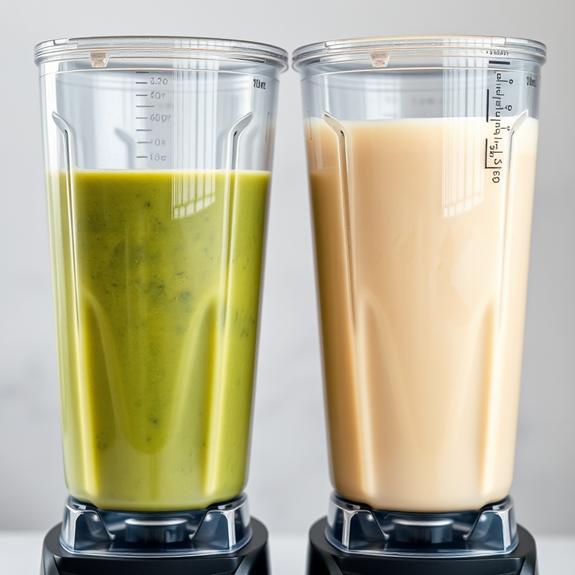
In terms of creating the perfect smoothie, the mixing and blending properties of your protein powder can make or break the experience. When you’re whipping up your favorite shake, you’ll want a powder that dissolves easily and creates a smooth, creamy texture.
Both plant-based and whey proteins have their unique characteristics in this area. Whey protein is often praised for its excellent mixability. It tends to dissolve quickly and completely, leaving you with a smooth drink that’s free from clumps.
Plant-based proteins, on the other hand, can sometimes be a bit trickier to blend. However, many brands have improved their formulations to address this issue.
To help you achieve the best results with your protein powder, here are some tips:
- Use a blender or shaker bottle for thorough mixing
- Add liquid before your protein powder to prevent clumping
- Start with cold liquid for a refreshing smoothie
- Experiment with different plant-based options to find your favorite
Cost Considerations
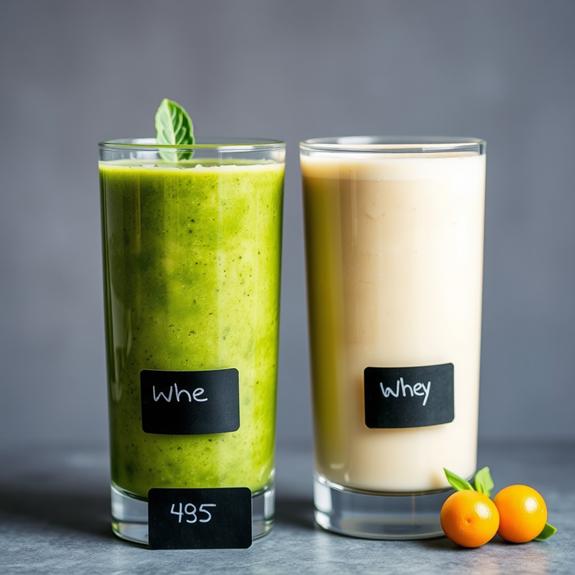
When choosing between plant-based and whey protein, your wallet might’ve something to say about it.
Generally, plant-based proteins tend to be more expensive than whey protein, but this isn’t always the case. The cost can vary depending on the brand, quality, and where you purchase it.
If you’re on a tight budget, whey protein might be your go-to option. It’s often more affordable and widely available, making it easier to find good deals.
However, don’t let this discourage you from trying plant-based proteins if that’s what you prefer. Many people find that the benefits of plant-based proteins outweigh the extra cost.
Choosing the Right Protein
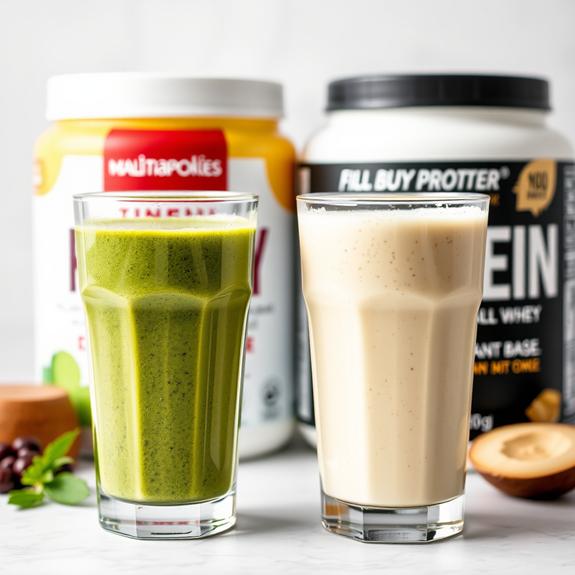
Ultimately, choosing the right protein comes down to your individual needs and preferences.
You’ll want to evaluate your dietary restrictions, fitness goals, and taste preferences when making your decision.
Don’t worry if you’re feeling overwhelmed – it’s normal to have questions when exploring protein options for your smoothies.
To help you make the best choice, here are four key factors to evaluate:
- Allergies or sensitivities: If you’re lactose intolerant or have dairy allergies, plant-based proteins might be your best bet.
- Protein content: Whey typically offers more protein per serving, but many plant-based options are catching up.
- Amino acid profile: Whey is a complete protein, while some plant-based options may need to be combined for a full amino acid profile.
- Digestibility: Some people find whey easier to digest, while others prefer the gentler nature of plant proteins.
Frequently Asked Questions
Can Protein Powders Be Used in Baking or Cooking?
Perfectly practical protein powders can be your pantry’s secret weapon!
You’ll love how versatile they’re in baking and cooking. Add them to pancakes, muffins, or cookies for a protein boost. You can even use them in savory dishes like soups or sauces.
Don’t worry about the taste – most powders blend well without altering flavors. It’s a great way to sneak in extra nutrition, especially if you’re looking to increase your protein intake.
Give it a try, you’ll be pleasantly surprised!
How Long Do Protein Powders Typically Last Before Expiring?
You’ll be happy to know that protein powders typically last quite a while! Most unopened containers have a shelf life of about 1-2 years.
Once you’ve opened your powder, it’s best to use it within 6-12 months for the freshest taste and best quality.
Remember, though, these are general guidelines. Always check the expiration date on your specific product, and if you notice any odd smells or clumping, it’s time to replace it.
Your health is worth it!
Are There Any Potential Side Effects of Consuming Protein Powders Regularly?
You won’t believe it, but just as you’re wondering about protein powder side effects, your favorite fitness influencer posts about them!
While protein powders are generally safe, you might experience some digestive issues like bloating or gas, especially if you’re new to them.
If you’re using whey, lactose intolerance could be a concern. Some people report headaches or increased thirst.
Can Children Safely Consume Protein Powders in Their Smoothies?
You should be cautious about giving protein powders to children. While they’re generally safe, kids usually get enough protein from a balanced diet.
If you’re considering adding protein powder to your child’s smoothies, it’s best to consult with their pediatrician first. They can advise if it’s necessary and recommend appropriate amounts.
Do Protein Powders Interfere With Medication Absorption or Effectiveness?
You’re right to be cautious about mixing protein powders with medications.
It’s important to know that some protein powders can affect how your body absorbs certain medicines. They might make the medication work less effectively or even cause side effects.
If you’re taking any medications, it’s best to talk to your doctor or pharmacist before adding protein powder to your diet. They can give you personalized advice to keep you safe and healthy.