Some links below are affiliate links. We earn a commission on purchases at no extra cost to you. Although our opinions are based on curated research, we haven't used these products. Article generated with AI.

How to Choose the Right Protein for Your Smoothie
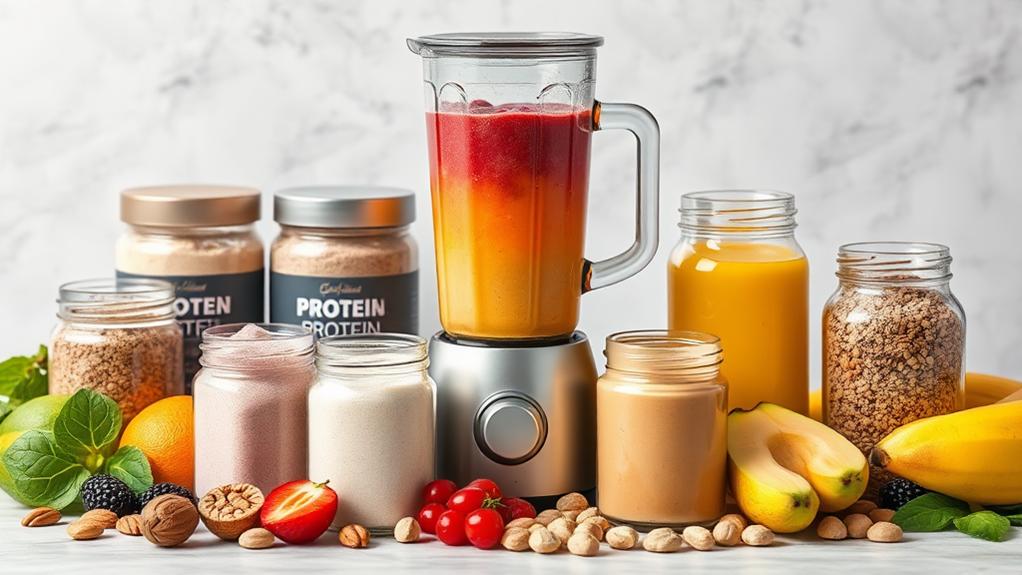
Choosing the right protein for your smoothie isn’t as tricky as it might seem. You’ve got options like whey, plant-based, and casein proteins, each with unique benefits. Consider your dietary needs, taste preferences, and health goals. Whey is great for quick absorption, while plant-based options like pea or hemp are perfect for vegans. Don’t forget to check the protein content per serving and watch out for artificial additives. The best protein will blend smoothly, taste delicious, and fit your budget. Remember, it’s okay to experiment with different types to find your perfect match. There’s so much more to discover about making your smoothies truly nutritious powerhouses.
Table of Contents
hide
Key Takeaways
- Consider your dietary restrictions and allergies to select appropriate protein types like whey, plant-based, or egg white.
- Evaluate the protein content per serving, aiming for 15-30 grams depending on your nutritional goals.
- Assess the flavor and texture profiles of different proteins to ensure they complement your smoothie ingredients.
- Look for proteins with balanced amino acid profiles, especially if combining plant-based sources for complete nutrition.
- Check for additives and artificial ingredients, opting for powders with simpler, natural ingredient lists when possible.
Understanding Protein Types
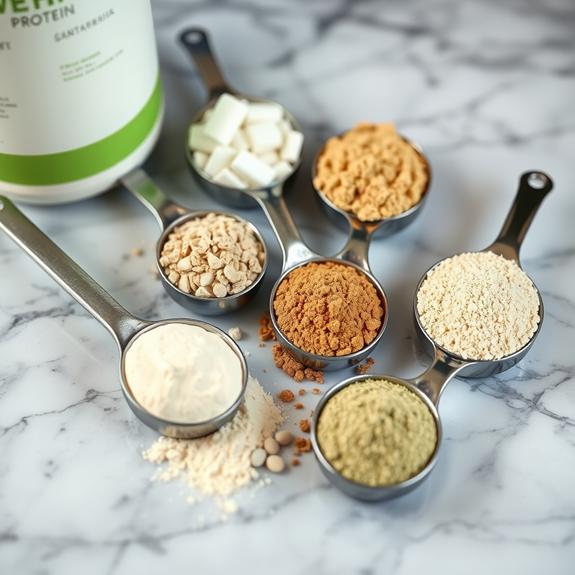
In the world of smoothie-making, protein plays a crucial role. When you’re crafting your perfect blend, it’s important to understand the different types of protein available. You’ll find a variety of options, each with its own unique benefits and flavors.
Whey protein, derived from milk, is a popular choice. It’s quickly absorbed by your body and packed with essential amino acids.
If you’re looking for a plant-based alternative, consider pea protein. It’s gentle on the stomach and great for those with dairy sensitivities. Soy protein is another excellent plant option, offering a complete protein profile.
For a nutrient-dense boost, you might try hemp protein. It’s rich in omega-3 fatty acids and fiber.
Egg white protein is another fantastic choice, especially if you’re looking for a low-fat option.
Don’t forget about casein protein, which is slow-digesting and perfect for nighttime smoothies.
Whey Protein Benefits
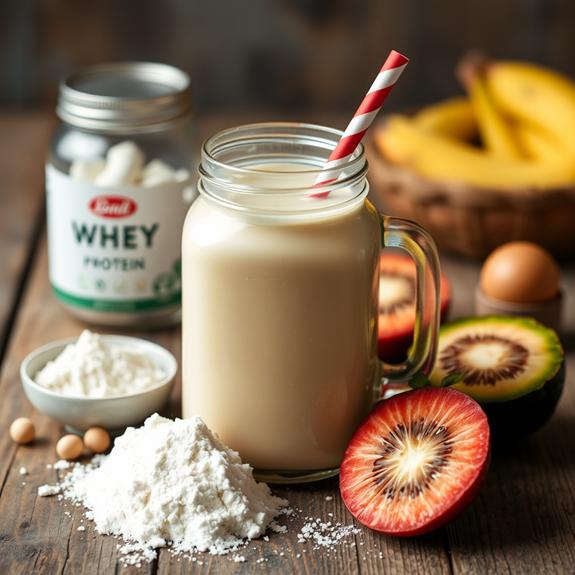
Whey protein stands out as a powerhouse ingredient for your smoothies. It’s a complete protein, meaning it contains all nine essential amino acids your body needs. You’ll love how quickly it absorbs, making it perfect for post-workout recovery. When you add whey to your smoothie, you’re giving your muscles the fuel they need to repair and grow stronger.
But that’s not all! Whey protein can help you feel fuller for longer, which is great if you’re trying to manage your weight. It’s also incredibly versatile, blending smoothly into your favorite smoothie recipes without overpowering other flavors. You’ll find that whey protein comes in various delicious options, from classic vanilla to indulgent chocolate.
If you’re looking to boost your immune system, whey’s got you covered there too. It contains compounds that support your body’s natural defenses.
Plus, it’s easy on your digestive system, making it a gentle choice for most people. Whether you’re an athlete, a busy parent, or just someone who wants to add more protein to their diet, whey protein is an excellent choice for your smoothies.
Plant-Based Protein Options
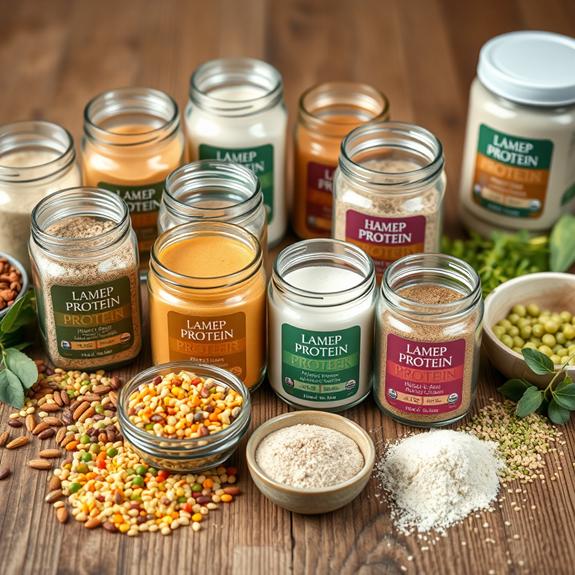
Plant-based proteins offer an excellent alternative for those who prefer to avoid animal products or have dairy sensitivities. You’ll find a variety of options to choose from, each with its own unique benefits.
Pea protein, for instance, is easily digestible and rich in essential amino acids. It’s a great choice if you’re looking to build muscle or support your overall health.
Another popular option is hemp protein, which is packed with omega-3 fatty acids and fiber. It’s perfect for smoothies aimed at improving heart health and digestion.
If you’re after a complete protein source, consider soy protein. It contains all nine essential amino acids your body needs.
Don’t forget about rice protein, which is hypoallergenic and gentle on the stomach. It’s an ideal choice if you have sensitive digestion or multiple food allergies.
For a protein boost with added antioxidants, try pumpkin seed protein. It’s rich in zinc and magnesium, supporting your immune system and energy levels.
When choosing a plant-based protein, consider your specific health goals and taste preferences. You might even want to mix different types for a well-rounded nutritional profile in your smoothies.
Casein for Slow Release
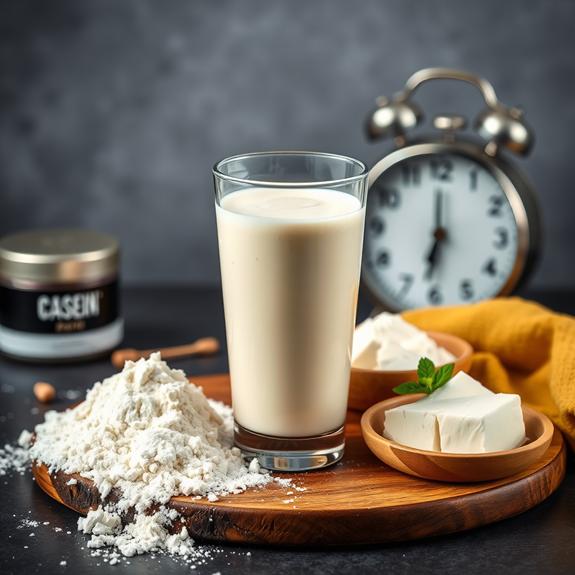
Ever wondered about a protein that keeps working long after you’ve finished your smoothie? That’s where casein comes in, the slow-release superstar of the protein world. Unlike its faster-absorbing cousin whey, casein takes its time, providing a steady stream of amino acids to your body for hours.
You’ll find casein particularly useful if you’re looking for a protein that can support you through the night or during long periods between meals. It’s a great choice for a bedtime smoothie, helping to nourish your muscles while you sleep.
Casein’s thick, creamy texture also adds a luxurious feel to your smoothies, making them more satisfying and filling.
When you’re adding casein to your smoothie, start with a small amount and adjust to your taste. It mixes well with fruits and can be combined with other protein sources for a more complete amino acid profile.
Amino Acid Profiles
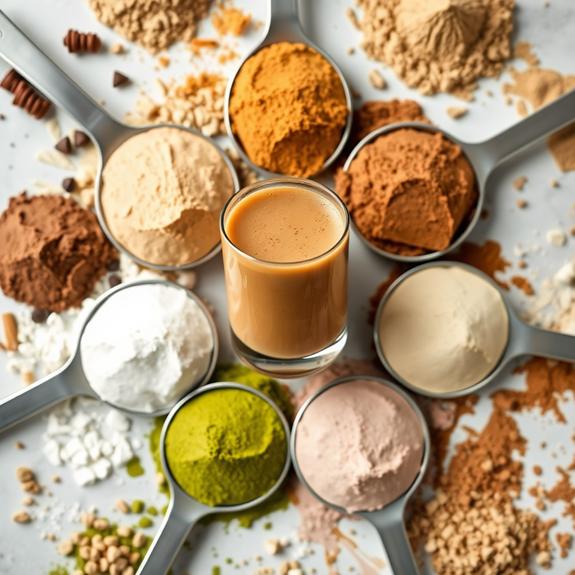
While casein offers unique benefits, understanding amino acid profiles can help you choose the best protein for your specific needs. Amino acids are the building blocks of protein, and different sources have varying compositions. You’ll want to look for a complete protein that contains all nine essential amino acids your body can’t produce on its own.
Plant-based proteins like pea, rice, or hemp often have complementary amino acid profiles. By combining them, you’ll get a well-rounded protein source that rivals animal-based options. If you’re looking to build muscle, pay attention to proteins high in leucine, like whey or soy.
For overall health and recovery, a balanced profile is key.
Don’t worry if this seems complicated – it’s okay to start simple! You can begin by trying different protein sources and seeing how your body responds. As you become more familiar with your needs, you can fine-tune your choices.
Digestibility and Absorption
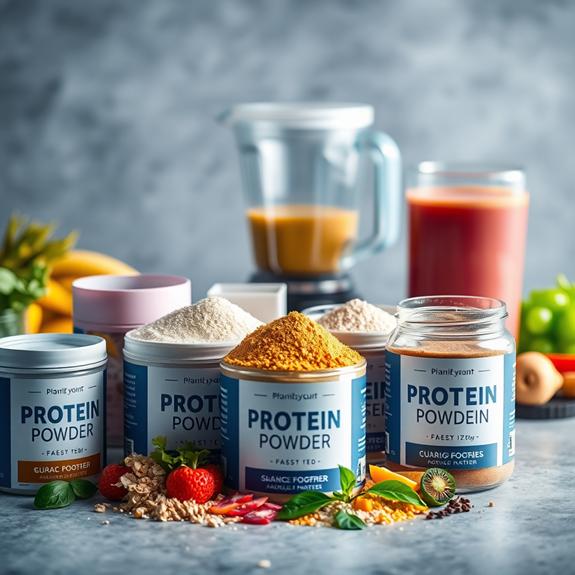
The rate at which your body breaks down and absorbs protein is essential for maximizing its benefits. When you’re choosing a protein for your smoothie, you’ll want to take into account how easily your body can digest and use it. Some proteins are absorbed more quickly than others, which can be important depending on your goals.
Whey protein, for example, is known for its rapid absorption, making it a great choice for post-workout recovery.
On the other hand, casein protein is digested more slowly, providing a steady release of amino acids over time. This can be ideal for supporting muscle growth while you sleep.
Plant-based proteins, like pea or hemp, often have a moderate absorption rate. They’re gentle on the stomach and can be a fantastic option if you have sensitivities to dairy-based proteins.
Flavor and Texture Considerations
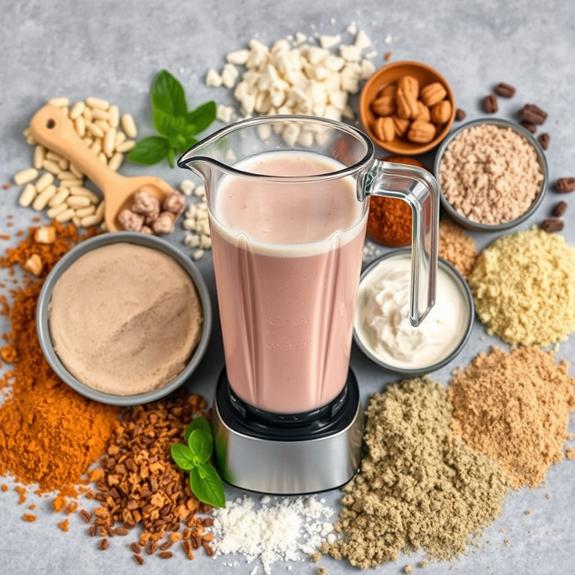
Beyond digestibility, the flavor and texture of your protein powder can make or break your smoothie experience. You’ll want to choose a protein that complements your favorite fruits and vegetables, rather than overpowering them. Whey and casein proteins often have a creamy, milky taste that blends well with most ingredients.
Plant-based options like pea or hemp protein can have earthier flavors, which pair nicely with green smoothies or chocolate-based recipes.
Consider the texture you prefer in your smoothie. Some protein powders dissolve easily, creating a smooth drink, while others may add a slight graininess. If you’re sensitive to textures, you might opt for a finely milled powder or one specifically designed for smooth blending.
Don’t be afraid to experiment with different brands and types to find your perfect match. Remember, your taste buds may need time to adjust to new flavors, so give each protein a fair chance. You can always start with a smaller amount and gradually increase it as you get used to the taste.
With a little patience and exploration, you’ll find a protein powder that not only nourishes your body but also delights your palate.
Dietary Restrictions and Allergies
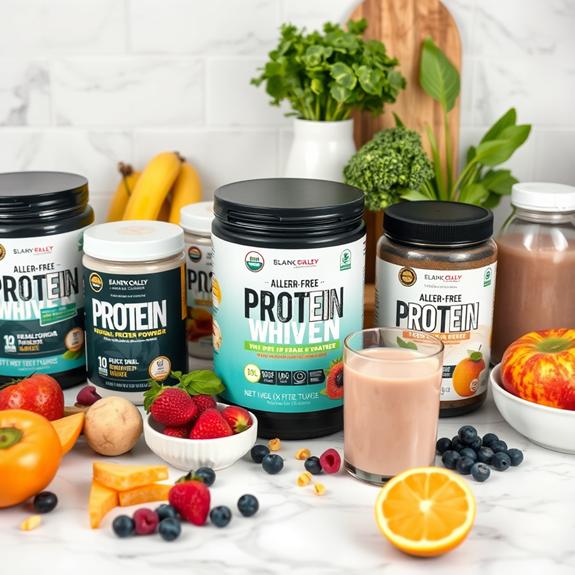
Your dietary restrictions and allergies play an essential role in selecting the right protein powder for your smoothies. If you’re lactose intolerant or following a vegan diet, you’ll want to avoid whey and casein proteins, which are derived from milk. Instead, opt for plant-based options like pea, hemp, or rice protein. These alternatives are gentle on your stomach and align with your dietary needs.
For those with gluten sensitivities or celiac disease, it’s vital to choose a protein powder that’s certified gluten-free. Many brands offer this option, ensuring you can enjoy your smoothies without worry.
If you have nut allergies, be cautious with some plant-based proteins, as they may be processed in facilities that handle nuts.
Soy allergies are also common, so you might need to steer clear of soy-based protein powders. Don’t worry, though! There are plenty of other options available to you.
Protein Content Per Serving
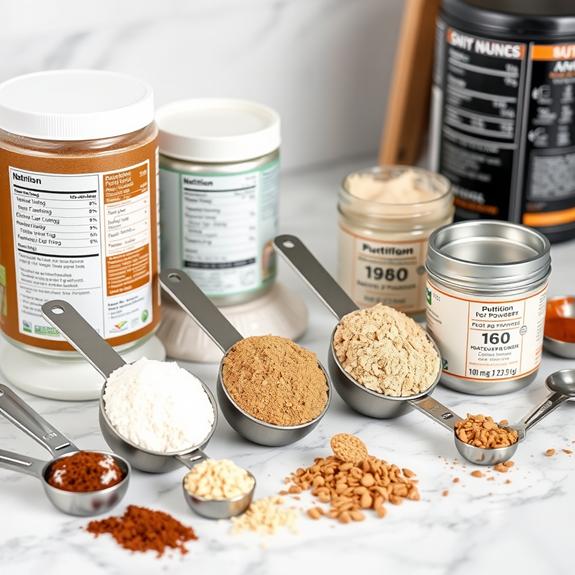
Understanding protein content per serving is essential when selecting a protein powder for your smoothie.
You’ll want to look closely at the nutrition label to see how much protein you’re getting in each scoop. Most protein powders offer between 15 to 30 grams per serving, but this can vary widely depending on the brand and type.
If you’re using your smoothie as a meal replacement or post-workout drink, you might aim for a higher protein content, around 20-25 grams per serving. This’ll help keep you feeling full and support muscle recovery.
For a lighter snack or to simply boost your daily protein intake, a powder with 15-20 grams per serving might be just right.
Additives and Artificial Ingredients
While protein content is essential, it’s likewise significant to examine the additives and artificial ingredients in your protein powder. Many brands include extra elements to improve flavor, texture, or shelf life, but these aren’t always necessary or beneficial for your health.
Look out for artificial sweeteners like sucralose or aspartame, which can affect your gut health and metabolism. Instead, opt for powders with natural sweeteners like stevia or monk fruit.
You’ll also want to avoid artificial flavors and colors, as these don’t add nutritional value and may cause sensitivities in some people.
Pay attention to preservatives and thickeners, too. While they’re not all harmful, some people might experience digestive issues with ingredients like carrageenan or xanthan gum.
If you’re sensitive to these, choose a powder with simpler ingredients.
Blending and Mixing Properties
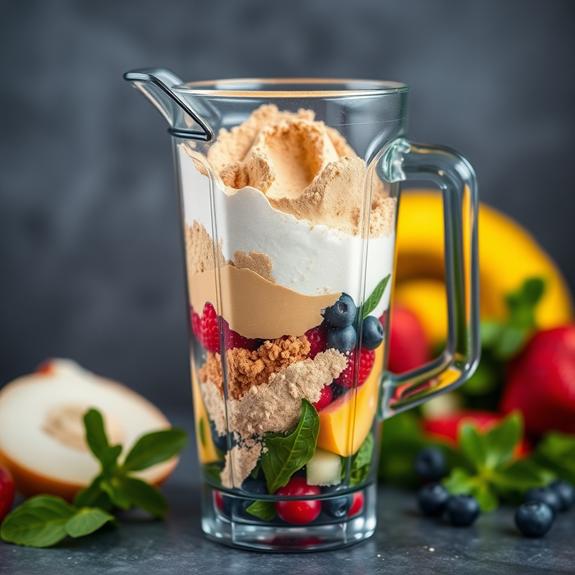
Consistency is key regarding the blending and mixing properties of your protein powder. You’ll want a smooth, creamy texture that’s easy to drink and enjoy. Different protein types can behave differently when mixed, so it’s important to reflect on how they’ll blend with your other smoothie ingredients.
When choosing a protein powder for your smoothie, keep these mixing properties in mind:
- Solubility: How well the powder dissolves in liquid
- Texture: Whether it’s smooth or gritty when blended
- Thickening ability: How much it affects the smoothie’s consistency
- Flavor impact: How strongly it influences the overall taste
Whey protein tends to mix easily and creates a smooth texture, while plant-based proteins might require more blending to achieve the same result.
Don’t be discouraged if your first attempt isn’t perfect! Experimenting with different powders and ratios will help you find the ideal mix for your tastes.
Price and Value Comparison
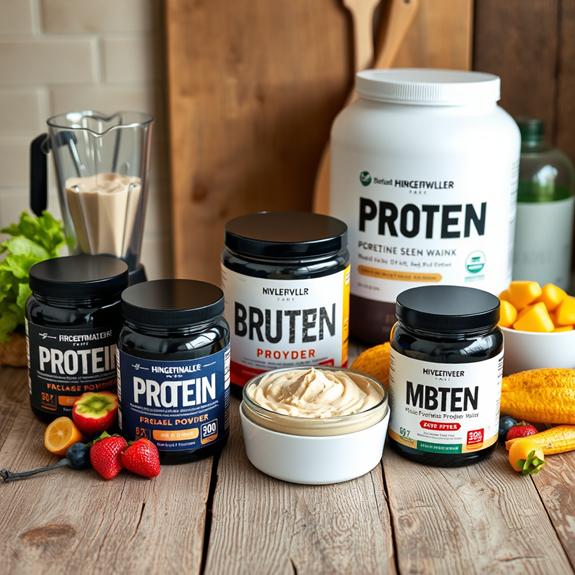
Comparing prices and value is essential when selecting a protein powder for your smoothies.
You’ll want to evaluate not just the upfront cost, but also how many servings you’re getting for your money. Don’t be fooled by a lower price tag on a smaller container – it’s often more cost-effective to buy in bulk.
Look at the price per serving to get a true comparison between different brands and types of protein. You might find that a seemingly expensive option actually offers better value when you break it down.
Remember, quality matters too. A pricier protein might be worth it if it’s more nutrient-dense or easier for your body to absorb.
Don’t forget to factor in any additional benefits, like added vitamins or probiotics. These extras can boost the overall value of your protein powder.
It’s also worth checking for sales or subscribing to a regular delivery service, which can often save you money in the long run.
Frequently Asked Questions
Can I Mix Different Types of Protein Powders in My Smoothie?
You can mix different types of protein powders in your smoothie.
It’s a great way to combine flavors and benefits. You’ll get a variety of amino acids and nutrients this way.
Just be mindful of the total protein content and how it fits your dietary needs.
Start with small amounts of each powder and adjust to find your perfect blend.
Remember, it’s all about what works best for you and your body.
Have fun experimenting!
How Long Does Protein Powder Typically Last Before Expiring?
“Time is a great teacher, but unfortunately, it kills all its pupils.” This adage reminds us that even protein powder isn’t immortal!
Typically, your protein powder will last about 12-18 months before expiring. However, you’ll want to check the label for the exact date.
Once opened, it’s best to use it within 6-8 months. Remember, proper storage is key! Keep your powder in a cool, dry place, and always use a clean, dry scoop to extend its shelf life.
Are There Any Negative Side Effects of Consuming Protein Powder Regularly?
You’ll be glad to know that consuming protein powder regularly is generally safe for most people.
However, it’s important to be aware of potential side effects. You might experience digestive issues like bloating or gas, especially if you’re sensitive to certain ingredients.
If you’re using high doses, there’s a small risk of kidney strain.
Can Protein Powders Be Used for Baking or Cooking Other Foods?
You can sprinkle a little magic into your baking with protein powders. They’re not just for shakes anymore!
You’ll love how versatile these powders can be in the kitchen. Mix them into pancake batter for a protein-packed breakfast, or add them to your cookie dough for a nutritious twist.
They’re great for muffins, energy balls, and even savory dishes. Just remember, protein powders can affect texture and moisture, so you might need to adjust your recipes slightly.
Happy cooking!
How Much Protein Should I Consume Daily From Smoothies and Other Sources?
Your daily protein needs depend on factors like your weight, activity level, and health goals.
Generally, you should aim for 0.8 to 1 gram of protein per kilogram of body weight. For a 150-pound person, that’s about 54-68 grams daily.
Smoothies can be a great source, but don’t rely on them alone. Incorporate protein-rich foods like lean meats, fish, eggs, and legumes throughout your day.