Some links below are affiliate links. We earn a commission on purchases at no extra cost to you. Although our opinions are based on curated research, we haven't used these products. Article generated with AI.

The History and Origins of Superfoods: A Brief Overview
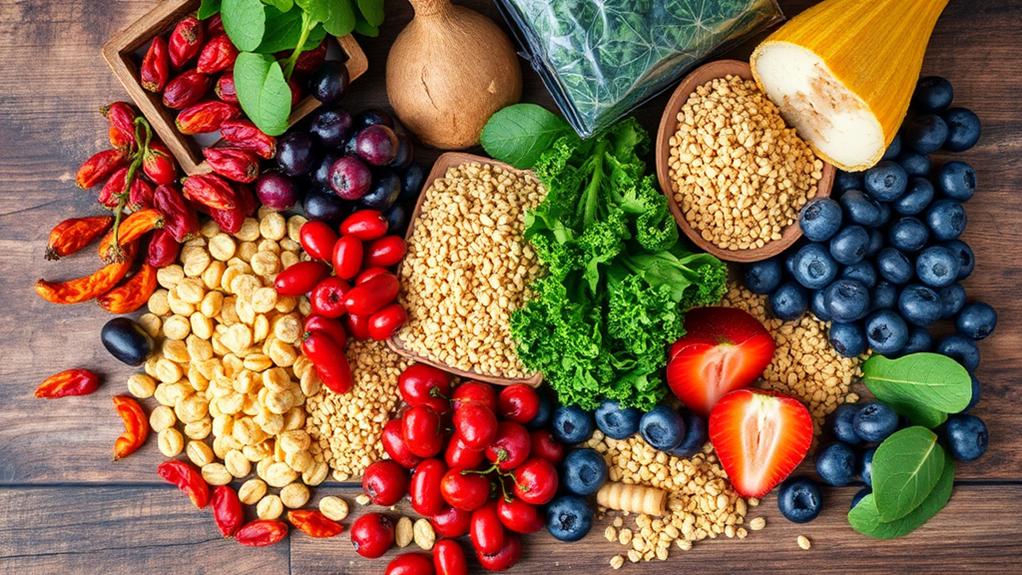
Superfoods have a rich history that spans thousands of years. You’ll find that ancient civilizations like the Aztecs, Incas, and Chinese valued foods like chia seeds, quinoa, and goji berries for their strength-giving properties. These nutrient-dense foods weren’t just for eating; they played important roles in cultural traditions and religious ceremonies. In recent decades, scientific research has uncovered the health benefits of these ancient superfoods, leading to their global popularity. Today, you’re likely to see superfoods everywhere, from grocery stores to social media. As you investigate the world of superfoods, you’ll discover a fascinating blend of ancient wisdom and modern nutrition.
Table of Contents
hide
Key Takeaways
- Ancient civilizations like Aztecs, Chinese, and Incas valued nutrient-dense foods for strength, vitality, and sustenance.
- Superfoods have been integral to cultural and religious practices for millennia, shaping traditions and community bonds.
- Scientific research in the early 2000s uncovered health benefits of various fruits, vegetables, and grains, sparking the superfood trend.
- Social media and celebrity endorsements contributed to the global popularization of superfoods in the modern era.
- The superfood movement has evolved to include sustainability concerns, ethical sourcing, and a focus on local alternatives.
Ancient Superfoods Through Time
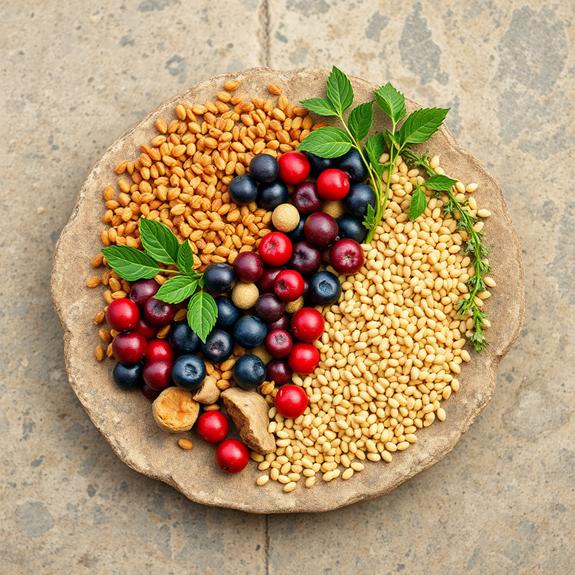
How long have humans been harnessing the power of superfoods? You might be surprised to learn that our ancestors were onto these nutritional powerhouses long before we coined the term “superfood.”
In fact, many ancient civilizations recognized the incredible benefits of certain foods and used them to boost health, energy, and longevity.
Take the Aztecs, for example. They cherished chia seeds as a crucial source of strength and endurance. These tiny seeds, packed with omega-3 fatty acids and fiber, were so valued that they were often used as currency!
Meanwhile, in ancient China, goji berries were prized for their ability to promote vitality and longevity. They’ve been used in traditional medicine for thousands of years.
You’ll find that many other superfoods have deep historical roots. Quinoa, known as the “mother grain” by the Incas, fueled their mighty empire.
And let’s not forget about the humble garlic, revered by ancient Egyptians for its medicinal properties.
It’s amazing to think that these foods, which have nourished civilizations for millennia, are still powering our health today!
Cultural Significance of Nutrient-Rich Foods
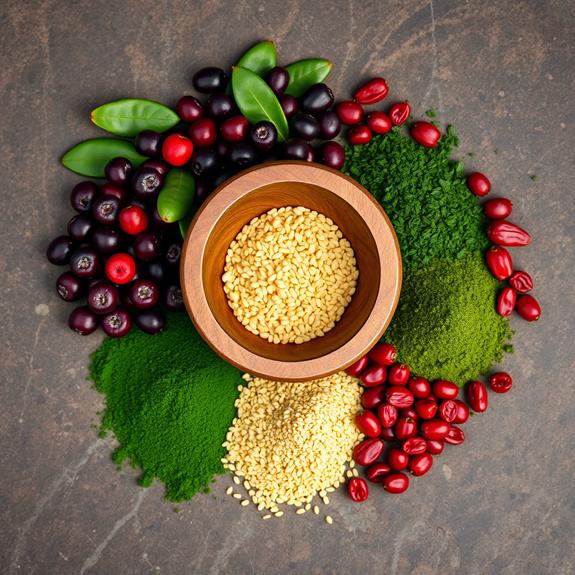
The cultural significance of nutrient-rich foods extends far beyond their health benefits. You’ll find that these foods often play a central role in traditions, celebrations, and daily life across many cultures.
In some societies, certain superfoods are considered sacred or used in religious ceremonies. For example, quinoa was once called “the mother grain” by the Incas and played a crucial role in their spiritual practices.
You might notice that many nutrient-dense foods are deeply woven into cultural identities. Think of how important olive oil is in Mediterranean cuisine, or how central fermented foods are in Korean dishes.
These foods aren’t just about nutrition; they’re a way for people to connect with their heritage and pass down traditions to future generations.
In many communities, the cultivation and preparation of these foods are social activities that bring people together. Whether it’s harvesting berries, fermenting vegetables, or preparing a traditional dish, these practices foster a sense of community and shared cultural experience.
You’re not just nourishing your body when you eat these foods; you’re participating in a rich cultural tapestry.
Scientific Discovery of Superfood Properties

Scientific exploration of superfoods has transformed our understanding of nutrition. You’ll be amazed to learn how researchers have uncovered the hidden powers of these nutrient-dense foods. Over the years, scientists have tirelessly studied various fruits, vegetables, and grains to identify their unique properties and health benefits.
Through advanced technology and rigorous testing, they’ve discovered the incredible antioxidants in berries, the heart-healthy omega-3s in fish, and the cancer-fighting compounds in cruciferous vegetables. It’s truly inspiring to see how these findings have changed the way we think about food and its impact on our well-being.
You might be wondering how scientists determine if a food is “super.” They look at factors like nutrient density, antioxidant capacity, and potential disease-fighting abilities.
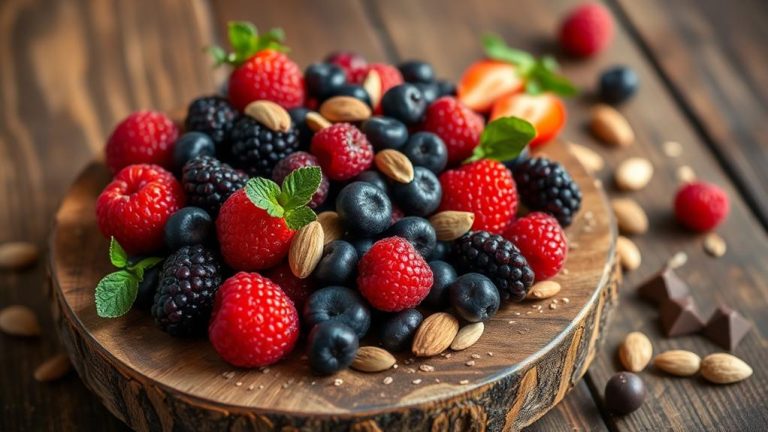
For example, they’ve found that blueberries can improve memory, while kale is packed with vitamins and minerals that support overall health. These discoveries have led to exciting breakthroughs in nutrition science, helping us make informed choices about what we eat.
It’s empowering to know that you can nourish your body with these incredible superfoods and potentially improve your health in the process.
Global Popularization and Marketing
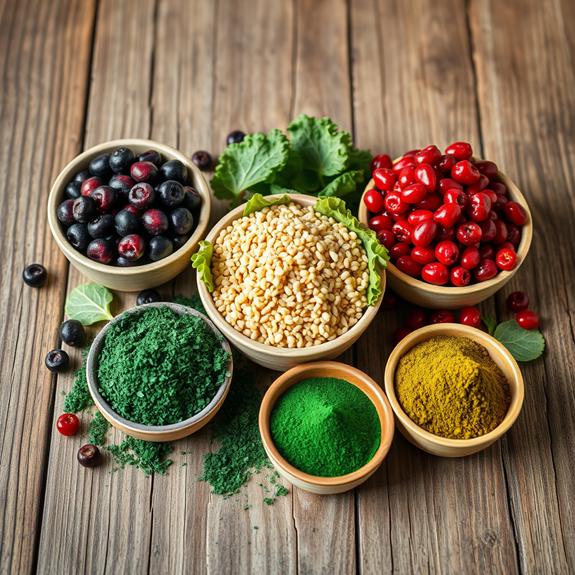
As scientific discoveries revealed the remarkable properties of superfoods, marketers and health enthusiasts quickly recognized their potential.
You’ll find that the global popularization of superfoods began in the early 2000s, with companies and wellness experts promoting these nutrient-dense foods as must-haves for a healthy lifestyle.
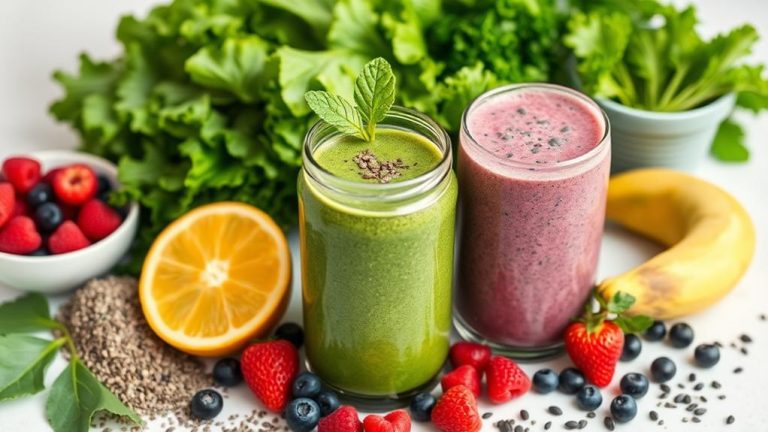
Social media played a huge role in spreading the word about superfoods. You’ve probably seen countless posts featuring colorful acai bowls or green smoothies packed with kale and spirulina.
Celebrities and influencers jumped on the bandwagon, sharing their superfood-rich diets and sparking trends worldwide.
As superfoods gained traction, you might’ve noticed them popping up in unexpected places. Suddenly, your local grocery store had a dedicated superfood section, and even fast-food chains started incorporating these ingredients into their menus.
The marketing buzz created a sense of urgency, making you feel like you needed these foods to be healthy.
While the hype sometimes overshadowed scientific facts, the superfood movement did encourage many people to investigate nutritious options and make positive changes to their diets.
Modern Superfood Trends
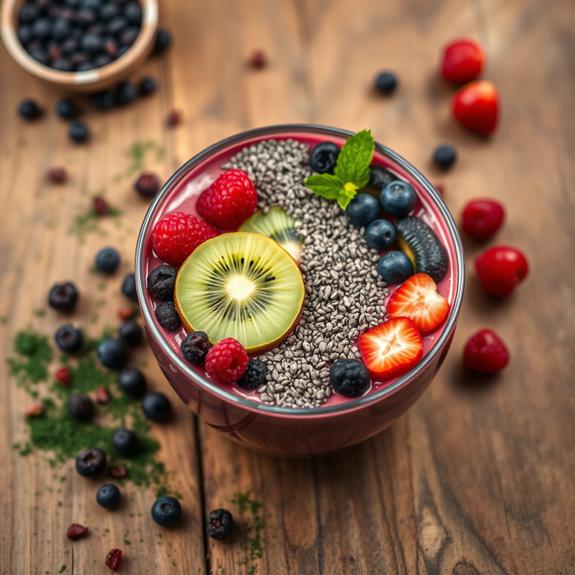
Today’s superfood landscape is constantly evolving, with new trends emerging faster than you can say “açaí bowl.” You’ll find that ancient grains like quinoa and amaranth have made a comeback, while exotic berries and adaptogenic herbs are gaining popularity.
Plant-based proteins, such as hemp seeds and spirulina, are now staples in many health-conscious diets. As you investigate these new trends, you’ll discover a world of nutritious options that can boost your wellbeing.
Here are some key aspects of modern superfood trends:
- Focus on sustainability and eco-friendly sourcing
- Emphasis on functional foods that offer specific health benefits
- Integration of superfoods into everyday meals and snacks
It’s exciting to see how these trends are making it easier for you to incorporate superfoods into your daily life. Whether you’re blending a green smoothie or sprinkling chia seeds on your yogurt, you’re taking steps towards better health.
Sustainability and Ethical Considerations
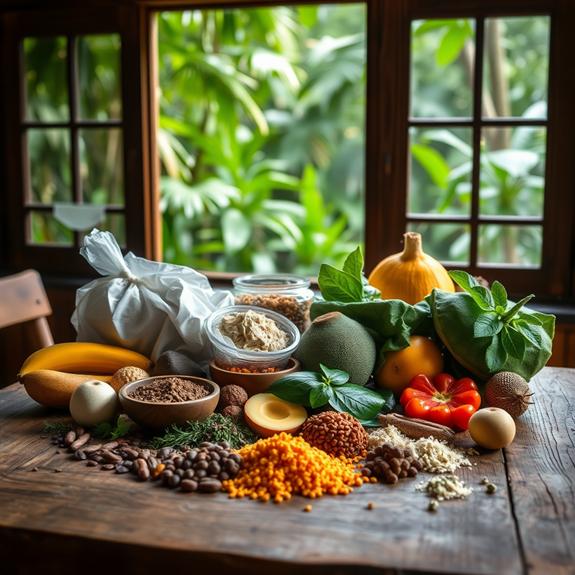
The sustainability and ethical considerations of superfoods have become increasingly important in recent years. As you investigate these nutrient-rich foods, it’s vital to contemplate their impact on the environment and local communities. Many superfoods, like quinoa and acai berries, come from distant lands, which can lead to concerns about carbon footprints and fair trade practices.
You’ll be happy to know that there are ways to enjoy superfoods responsibly. Look for certifications like Fair Trade or Rainforest Alliance when shopping, as these guarantee ethical sourcing. You can also examine local alternatives that offer similar nutritional benefits. For example, instead of imported goji berries, you might try locally grown blueberries.
It’s heartening to see that many companies are now prioritizing sustainability in their superfood production. They’re implementing eco-friendly farming practices, reducing water usage, and supporting local farmers.
Frequently Asked Questions
Are All Superfoods Exotic or Can Common Foods Be Considered Superfoods?
You’ll be happy to know that superfoods aren’t just exotic, hard-to-find items! Many common foods you probably have in your kitchen right now can be considered superfoods.
Think about nutrient-packed fruits like blueberries, vegetables like kale and spinach, or even everyday staples like oats and beans. These foods are packed with vitamins, minerals, and antioxidants that can boost your health.
Don’t worry about finding rare ingredients; you’re likely already enjoying some superfoods in your daily meals!
How Do Superfoods Compare to Dietary Supplements in Terms of Effectiveness?
You might wonder how superfoods stack up against dietary supplements.
Well, here’s the scoop: superfoods are whole, natural foods packed with nutrients, while supplements are concentrated forms of specific nutrients.
Superfoods offer a wider range of benefits, as they contain multiple vitamins, minerals, and antioxidants.
They’re also easier for your body to absorb and use.
While supplements can be helpful, especially if you have deficiencies, superfoods are generally considered more effective for overall health and wellness.
Can Superfoods Have Negative Side Effects or Interactions With Medications?
You’re on the right track by asking about potential side effects of superfoods!
While they’re often a piece of cake to include in your diet, it’s important to keep in mind that they can interact with medications. Some superfoods might affect how your body processes certain drugs, making them less effective or causing unwanted side effects.
It’s always a good idea to chat with your doctor before making big changes to your diet, especially if you’re taking medications regularly.
Are Superfood Powders and Extracts as Beneficial as Whole Food Sources?
You’ll find that superfood powders and extracts can be beneficial, but they’re often not as good as whole food sources.
While they’re convenient, whole foods offer more fiber, nutrients, and natural compounds that work together. Your body absorbs these better from whole foods too.
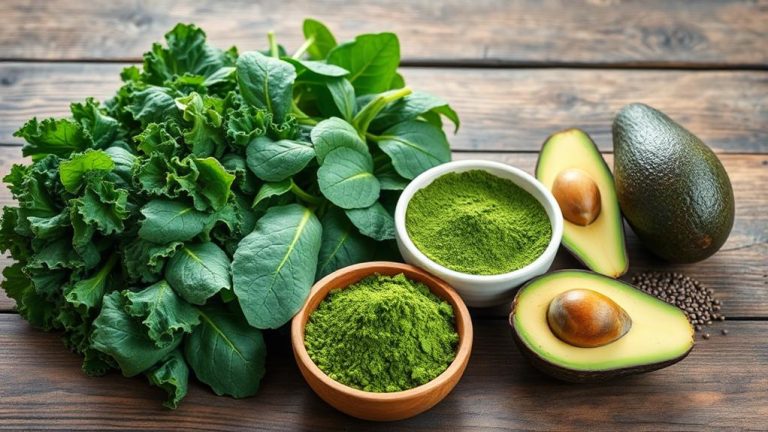
Think of powders as helpful additions, not replacements. It’s best to focus on eating a variety of whole superfoods, like berries, leafy greens, and nuts, to get the most benefits for your health.
How Often Should Superfoods Be Consumed to Reap Their Health Benefits?
Imagine your body as a garden, with superfoods as the nourishing sunlight. You don’t need to bask in it all day, but regular exposure is key!
Aim to include superfoods in your diet 3-5 times a week. You’ll reap the most benefits by incorporating a variety of these nutrient-packed powerhouses into your meals.