Some links below are affiliate links. We earn a commission on purchases at no extra cost to you. Although our opinions are based on curated research, we haven't used these products. Article generated with AI.

How to Combine Plant Proteins for Maximum Benefit
To get the most from plant proteins, you'll want to combine different sources throughout your day. Mix legumes like beans and lentils with grains such as quinoa or rice. Add nuts and seeds to your meals for an extra protein boost. Don't forget about protein-rich veggies like broccoli and spinach! By eating a variety of plant proteins, you'll guarantee you're getting all the essential amino acids your body needs. It's not just about one meal, but your overall diet. Timing matters too, so spread your protein intake across meals and snacks. There's so much more to discover in the world of plant-based nutrition!
Table of Contents
hide
Key Takeaways
- Pair legumes with grains to create complete protein profiles containing all essential amino acids.
- Incorporate a variety of plant protein sources like nuts, seeds, legumes, and whole grains in meals.
- Distribute protein intake evenly throughout the day for optimal absorption and utilization.
- Combine iron-rich plant foods with vitamin C sources to enhance iron absorption.
- Use strategic food pairings to improve overall nutrient absorption and digestibility.
Understanding Complete Proteins
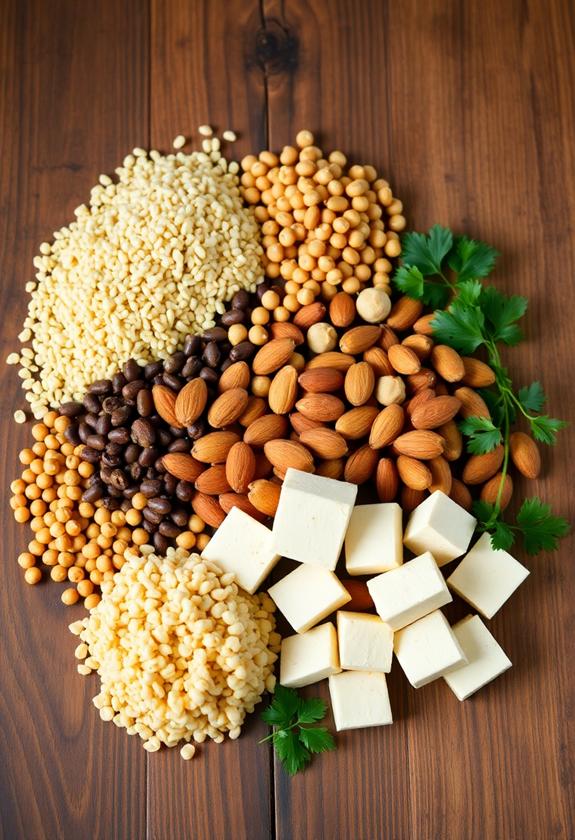
Considering the growing interest in plant-based diets, understanding complete proteins is essential. You'll want to know about complete protein sources, which contain all nine essential amino acids your body needs. These special proteins are vital for your overall health and well-being. When you're evaluating protein quality, it's important to look at amino acid profiles and how well your body can digest them. Don't worry, though! You don't need to be a scientist to figure this out. Protein-packed legumes can be a great addition to your smoothies, offering a convenient way to boost your protein intake while enjoying a delicious drink.
Dietary guidelines can help you achieve nutritional balance, even if you're not eating animal products. By combining different plant proteins, you can create complete protein meals that'll keep you feeling great. Remember, protein digestibility matters too. Some plant proteins are easier for your body to use than others. With a little knowledge and creativity, you'll be a pro at crafting delicious, protein-packed plant-based meals in no time!
Essential Amino Acids
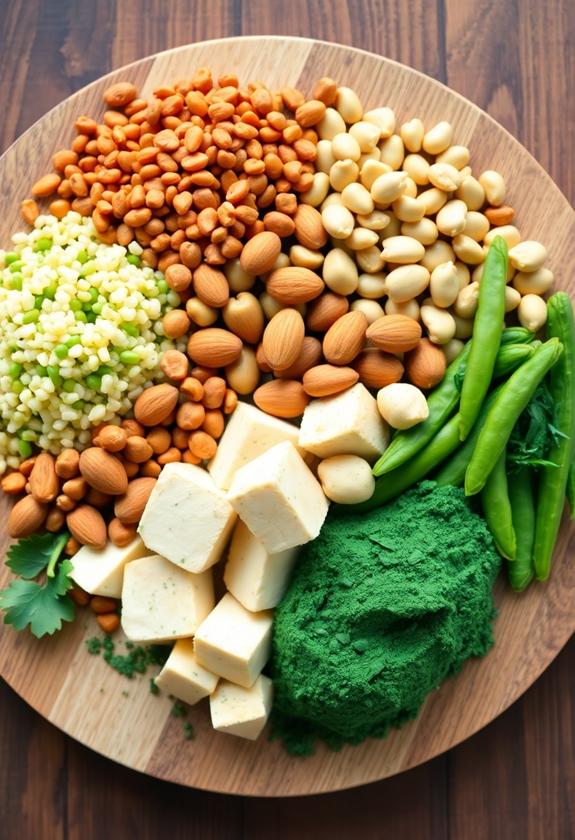
Essential amino acids are the building blocks of protein that your body can't produce on its own. These essential nutrients play a vital role in your overall health and well-being. By understanding amino acid profiles, you'll be better equipped to improve your protein quality and support muscle recovery. Adding plant-based proteins to your smoothies is an excellent way to boost your essential amino acid intake while enjoying a delicious beverage.
To guarantee you're getting all the essential amino acids, focus on dietary variety. Include a range of vegetarian sources like beans, lentils, quinoa, and tofu in your meals. Don't forget about protein density – some plant foods pack more protein per serving than others. Nutrient timing is also important, so try to spread your protein intake throughout the day. Remember, you don't need to stress about getting every amino acid at every meal. Your body is amazing at using the nutrients you provide, so enjoy exploring different plant-based protein combinations!
Plant-Based Protein Sources
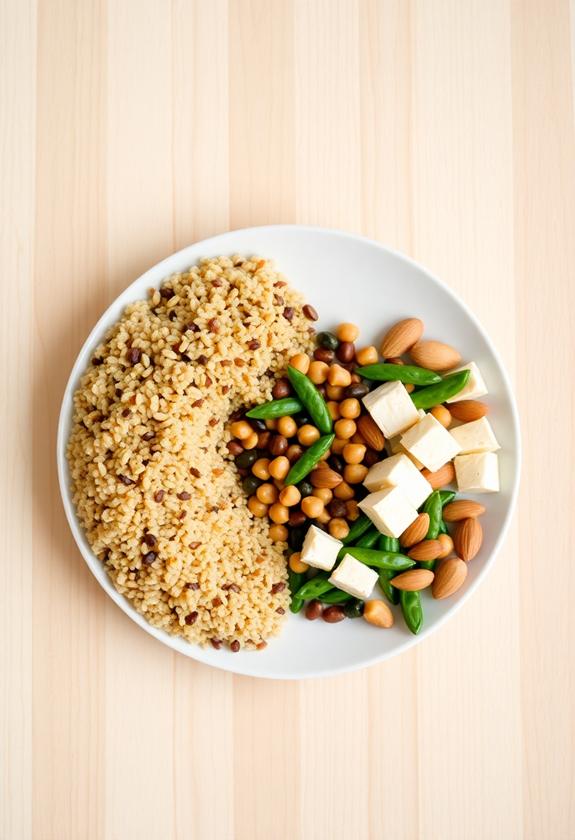
Plant-based protein sources offer a wealth of options for those looking to meet their nutritional needs without relying on animal products. You'll find an abundance of protein in legume varieties like lentils, chickpeas, and black beans. Don't forget about the amazing nut benefits you can get from almonds, walnuts, and cashews! Seed nutrition is another powerhouse, with chia, pumpkin, and hemp seeds packing a protein punch. In terms of grain options, quinoa and oats are fantastic choices that'll keep you feeling full and energized. Even vegetable sources like broccoli, spinach, and Brussels sprouts contribute to your protein intake. Complete vegan proteins can be easily incorporated into smoothies, providing a delicious and convenient way to boost your daily protein intake. With so many delicious and nutritious plant-based proteins available, you're sure to find options that suit your taste buds and nourish your body.
Protein Complementation Basics
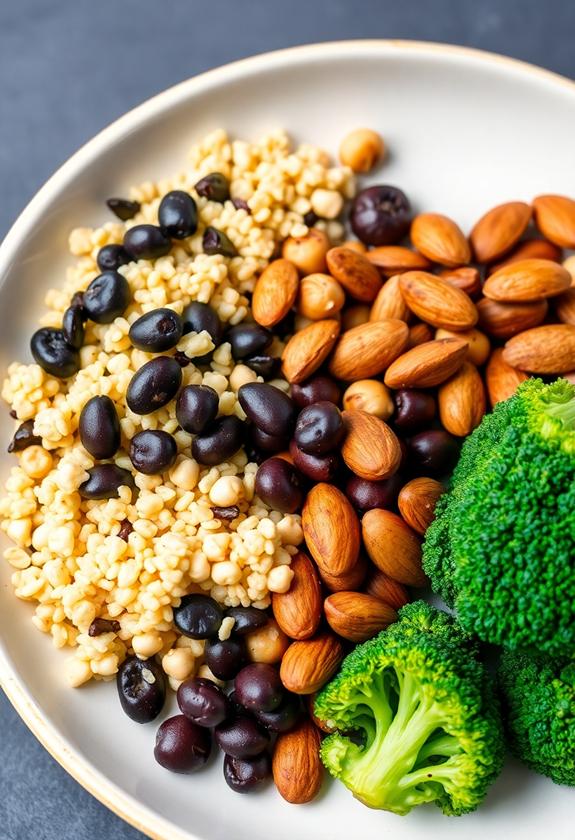
Understanding the basics of protein complementation is essential for those on a plant-based diet. You'll find that combining different protein sources can greatly improve your dietary balance and nutrient absorption. By pairing foods with complementary amino acid profiles, you're guaranteeing your body gets all the building blocks it needs for peak health. For a quick and easy way to get your plant-based proteins, try making delicious vegan smoothies packed with protein-rich ingredients.
When exploring vegetarian diets, remember these key points:
- Your body will thank you for the diverse range of nutrients you're providing
- You'll discover exciting new culinary techniques and flavor combinations
- You're not just nourishing yourself, but also supporting sustainable food practices
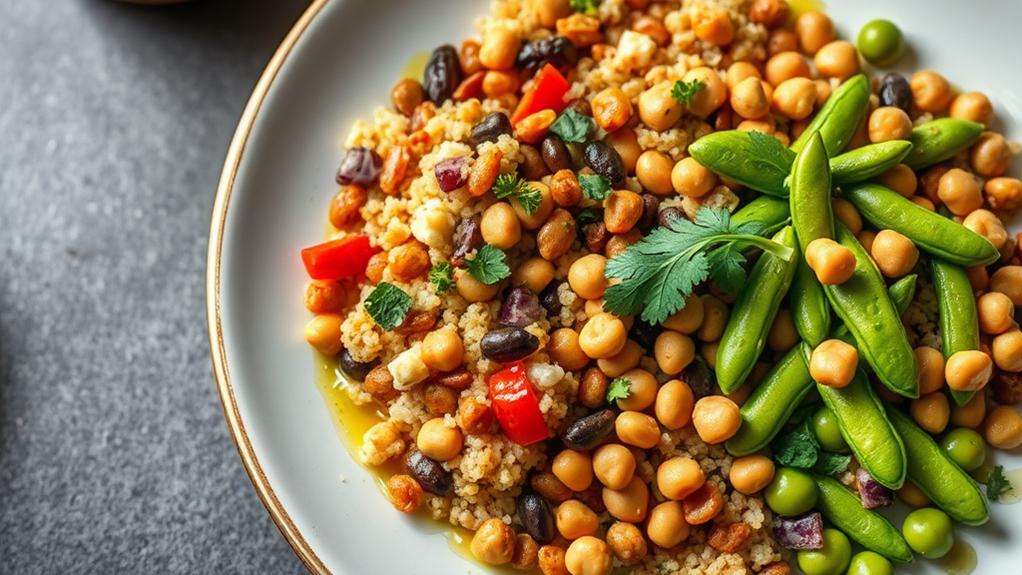
Food pairings like beans with rice or hummus with whole grain pita can boost your digestion efficiency and overall health benefits. Don't be afraid to experiment with meal diversity – it's a fun and delicious way to guarantee you're getting complete proteins. Your plant-based journey is an opportunity for growth and nourishment!
Timing Your Protein Intake

Three key factors influence the timing of your protein intake: your activity level, your overall health goals, and your daily schedule. If you're an active person, focus on pre-workout nutrition and post-workout recovery to support your muscles. For those aiming to manage weight, strategic snack timing can help control hunger. Consider your meal frequency, spreading your daily protein requirements across several meals for ideal digestion timing and energy levels. Post-workout smoothies can be an excellent way to refuel and support muscle recovery when consumed at the right time.
Don't forget about hydration importance, as it plays an essential role in protein absorption. Aim for even protein distribution throughout the day to maintain steady energy and support muscle growth. Pay attention to your body's insulin response after meals, which can affect how efficiently you use protein. By timing your intake wisely, you'll maximize the benefits of your plant-based proteins and feel great!
Best Protein Combinations
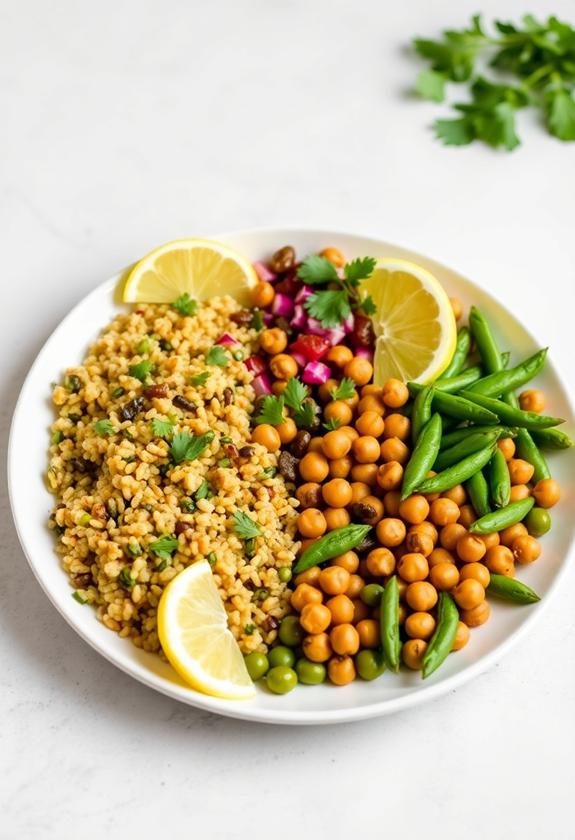
Combining different plant proteins strategically can improve your overall protein intake and nutritional profile. You'll love how easy it is to create delicious, protein-packed meals using simple ingredients. Try pairing quinoa with lentils, or chickpeas with rice for a complete amino acid profile. Hemp seeds and peanut butter make a great addition to smoothies, while soy tofu and black beans are perfect in stir-fries. Adding high-fiber ingredients to your smoothies can further boost their nutritional value and provide additional health benefits. These fiber-rich additions can help improve digestion and keep you feeling full for longer.
Exciting protein combinations to try:
- Edamame and nuts for a crunchy, satisfying snack
- Farro and peas in a hearty soup or salad
- Black beans and rice in a comforting burrito bowl
These pairings not only taste great but also provide your body with essential nutrients. By mixing and matching plant proteins, you're giving yourself a wonderful variety of flavors and textures while supporting your health goals.
Meal Planning Strategies
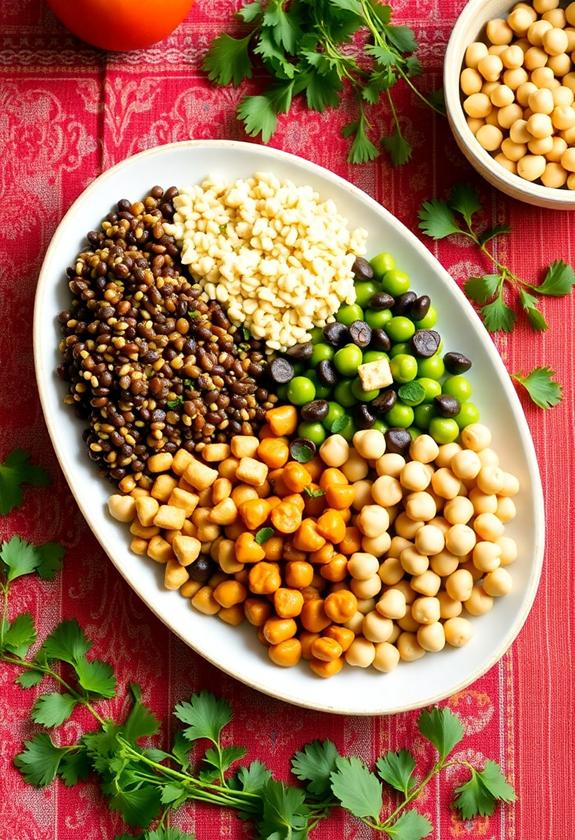
A well-crafted meal plan is your secret weapon for incorporating diverse plant proteins into your diet. Start by dedicating time each week to plan your meals, focusing on combining different protein sources. During grocery shopping, pick up a variety of legumes, grains, nuts, and seeds. Don't forget to include colorful vegetables to increase nutritional value and make your meals more appealing. Combining plant proteins with fiber-rich foods can improve weight loss success by promoting satiety and supporting digestive health.
Meal prep can be your best friend in this journey. Set aside a few hours on the weekend to cook large batches of grains and legumes. You can store these in the fridge for quick and easy meals throughout the week. Try creating a "mix and match" system, where you prepare different protein sources and pair them as needed. This approach not only saves time but also guarantees you're getting a wide range of amino acids. Remember, variety is key to maximizing your plant protein intake!
Overcoming Common Challenges
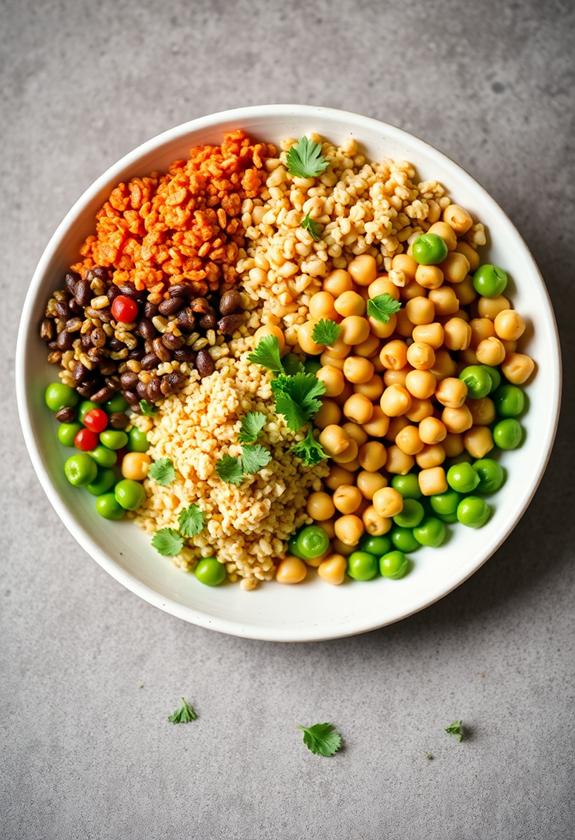
Challenges often arise when shifting to a plant-based protein diet. You might worry about protein digestibility, nutrient absorption, or maintaining meal variety. Don't fret! With a few simple strategies, you can overcome these hurdles and enjoy the health benefits of plant proteins. First, focus on food combinations that improve protein quality. Pairing legumes with grains, for example, creates a complete protein profile. Next, discover new cooking techniques and flavor pairings to keep your meals exciting and delicious. Consider incorporating vegan protein smoothies into your daily routine for a quick and tasty protein boost. Remember, it's okay to take small steps as you adapt to dietary preferences. Here are some tips to keep you motivated:
- Celebrate each new plant-based meal as a victory for your health and the planet
- Welcome the journey of discovering tasty, nutritious food combinations
- Connect with others on similar paths for support and recipe ideas
Stay positive, and you'll soon master the art of combining plant proteins!
Supplementing Your Plant-Based Diet
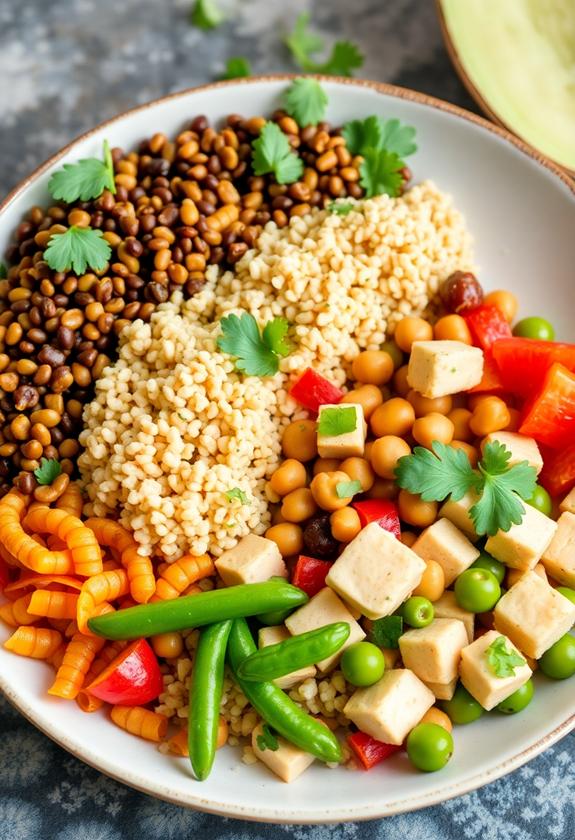
While mastering plant protein combinations is vital, supplementing your plant-based diet can further improve your nutrition. Adding fiber to protein smoothies can boost digestion and help your body absorb nutrients more efficiently. Consider adding vitamin B12, which is essential for nerve function and blood cell formation. You'll find it in fortified plant milks, nutritional yeast, or supplements. Don't forget about iron, important for oxygen transport. Pair iron-rich foods like lentils with vitamin C sources to increase absorption. Omega-3 fatty acids, typically found in fish, can be obtained from algae-based supplements or flaxseeds.
To improve protein absorption, try adding digestive enzymes or fermented foods to your meals. These can help your body break down and utilize plant proteins more efficiently. Remember, everyone's needs are different, so it's best to consult with a nutritionist to guarantee you're achieving the right nutritional balance for your unique body and lifestyle.
Protein Myths Debunked
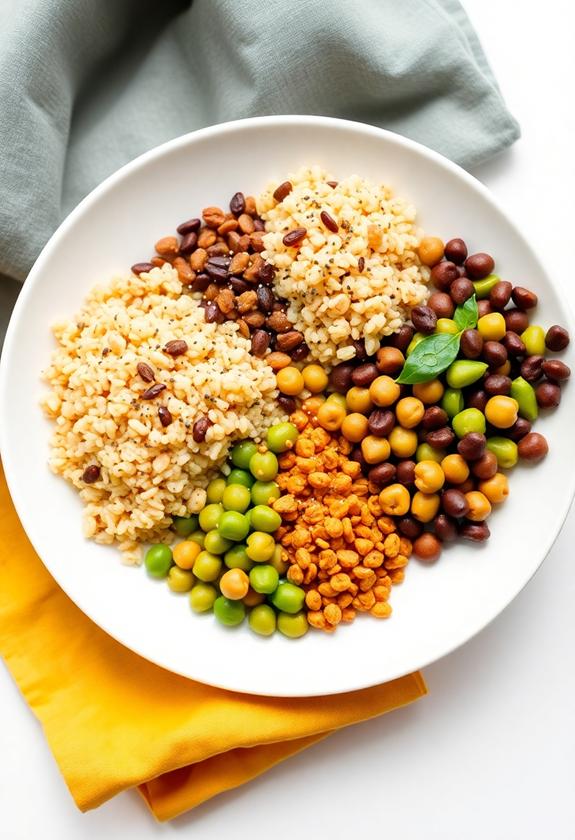
For years, misconceptions about plant-based protein have persisted in the health and fitness community. It's time to debunk these myths and empower you with accurate information. You'll be amazed at how diverse and beneficial plant proteins can be! When creating balanced smoothies, it's important to avoid protein overload and focus on a well-rounded nutrient profile.
- You don't need to worry about protein quality in plants – they provide all essential amino acids!
- Your athletic performance won't suffer on a plant-based diet – many athletes thrive on it!
- You don't have to combine proteins at every meal – your body efficiently uses protein throughout the day!
Plant-based diets offer incredible protein diversity, supporting your digestive health and nutrient absorption. By exploring different cooking methods and adopting food synergy, you'll discover exciting flavor profiles and enjoy a wide variety of meals. Remember, your dietary preferences are personal, and there's no one-size-fits-all approach. Accept the journey of plant-based eating with confidence, knowing you're nourishing your body well.
Recipes for Balanced Meals
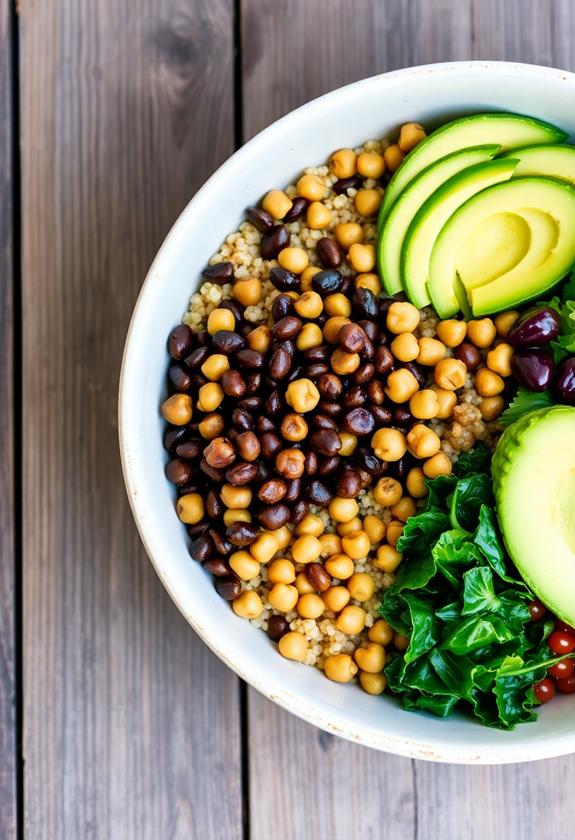
With a solid understanding of plant-based proteins, you're ready to plunge into creating delicious and balanced meals. Let's investigate some mouthwatering recipes that'll nourish your body and delight your taste buds. Start your day with a protein-packed tofu scramble, or blend up a creamy hemp smoothie for a quick breakfast. For those looking for an energizing breakfast boost, high-protein smoothies can be an excellent choice to kickstart your morning. For lunch, try a refreshing quinoa salad loaded with colorful veggies, or whip up some hearty black bean tacos. When dinner rolls around, warm up with a comforting lentil stew or spice things up with a flavorful chickpea curry. If you're in the mood for something different, give tempeh stir fry a try, or create an edamame bowl bursting with nutrients. Don't forget about veggie burgers, which you can make using pea protein for an extra boost. These recipes will help you effortlessly combine plant proteins for maximum nutrition.
Frequently Asked Questions
Can Plant Proteins Help With Muscle Recovery After Intense Workouts?
Imagine your muscles as a garden, tender after a hard day's work. Just as plants need nourishment to thrive, your muscles crave plant proteins for recovery. You'll be pleased to know that these proteins can indeed help with muscle recovery after intense workouts. They're excellent at reducing muscle soreness and speeding up recovery timing. Your body will thank you for choosing plant-based options, as they're gentle on your system while providing the building blocks needed to repair and strengthen your hard-working muscles.
How Do Plant Proteins Affect Hormonal Balance in the Body?
Plant proteins can have a wonderful impact on your hormonal balance! They're packed with phytonutrients that support protein synthesis and help regulate hormonal fluctuations. When you incorporate plant proteins into your diet, you're giving your body the tools it needs to maintain healthy estrogen levels and testosterone balance. These proteins work with your body's natural plant hormones, creating a harmonious environment for ideal health. You'll feel more balanced, energized, and ready to take on the day with confidence!
Are There Any Potential Allergies or Intolerances Associated With Plant Proteins?
Yes, there are some potential allergies and intolerances you should be aware of with plant proteins. You might experience plant-based allergies like soy intolerance, gluten sensitivity, or nut allergies. Some people also have reactions to legumes. Don't worry, though! With a little care and attention, you can find plant proteins that work well for you. Remember, everyone's body is different, so listen to yours and consult a doctor if you're concerned about protein absorption or reactions to certain foods.
Can Plant Proteins Be Effectively Used in Weight Loss Diets?
You'll be delighted to know that plant proteins can be a fantastic ally in your weight loss journey. They're often lower in calories than animal proteins, making them great for shedding pounds. By choosing diverse plant protein sources like beans, lentils, and quinoa, you'll boost your protein absorption and feel fuller for longer. Plus, these foods are packed with fiber, which aids digestion and helps control your appetite. Welcome plant proteins, and you'll be on your way to a healthier, lighter you!
How Do Plant Proteins Impact Gut Health and Digestion?
You'll be delighted to know that plant proteins are your digestive system's best friend! They're packed with prebiotic benefits, which means they feed the good bacteria in your gut. This can help improve your digestion efficiency, making it easier for your body to process nutrients. Plant proteins also add fiber to your diet, which keeps things moving smoothly through your system. By incorporating more plant proteins, you're nurturing your gut health and potentially boosting your overall well-being.