Some links below are affiliate links. We earn a commission on purchases at no extra cost to you. Although our opinions are based on curated research, we haven't used these products. Article generated with AI.

How to Choose the Freshest Greens for Your Smoothies
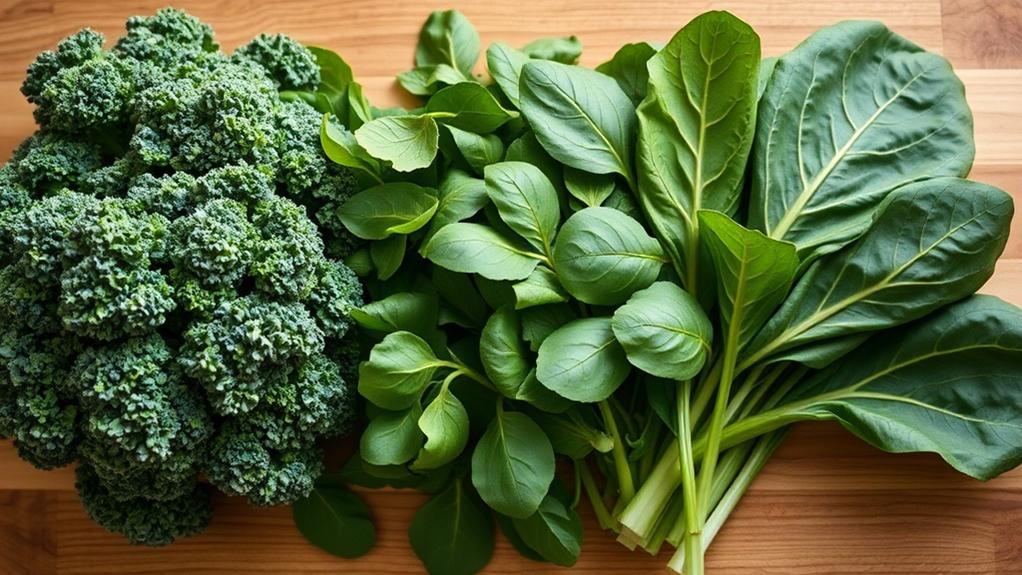
To choose the freshest greens for your smoothies, start by visually inspecting them for vibrant colors and crisp leaves. Avoid any with yellowing edges or brown spots. Give them a gentle touch; fresh greens should feel firm and springy, not limp or mushy. Don't forget to use your nose! Fresh greens have a clean, crisp aroma. Opt for seasonal varieties when possible, and consider organic options to minimize pesticide exposure. For beginners, spinach and romaine are great mild choices. Mix different greens to boost flavor and nutrition. With these tips, you'll be well on your way to creating delicious, nutrient-packed smoothies. There's so much more to investigate in the world of green smoothies!
Table of Contents
hide
Key Takeaways
- Look for vibrant colors and crisp, well-defined leaf shapes without yellowing edges or brown spots.
- Choose greens that feel firm and springy to the touch, avoiding limp or mushy textures.
- Smell the greens for a fresh, clean aroma; avoid those with musty or sour odors.
- Consider seasonal options and local sourcing for optimal freshness and flavor.
- Properly store greens by wrapping in damp paper towels and refrigerating to extend shelf life.
Know Your Greens
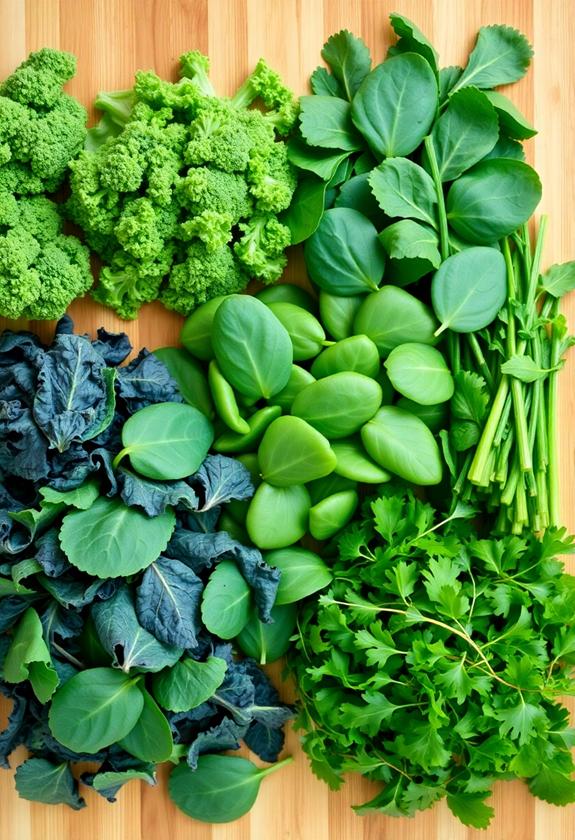
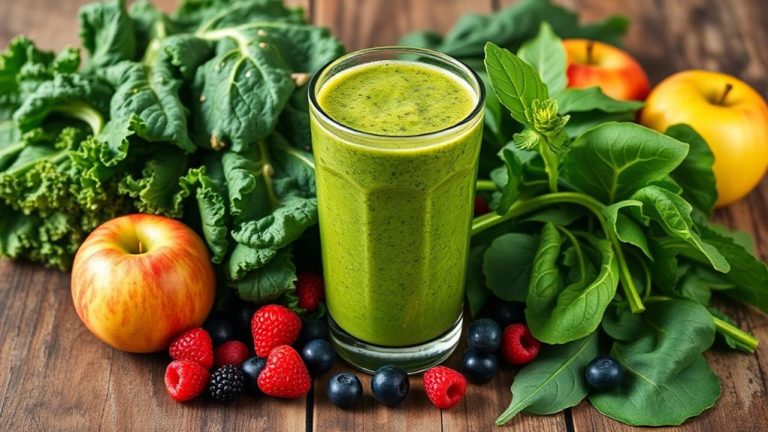
Frequently, the key to a great smoothie lies in selecting the right greens. You'll want to familiarize yourself with various options and their unique characteristics. Spinach, for example, is mild and versatile, perfect for beginners. Kale, on the other hand, offers a stronger taste and packs a nutritional punch. Don't forget about Swiss chard, which has a slightly earthy flavor, or the peppery kick of arugula. Elevate your smoothie by incorporating a mix of these greens to create a balanced flavor profile and maximize nutritional benefits.
Understanding the nutritional benefits and flavor profiles of different greens will help you create balanced, delicious smoothies. Experiment with combinations to find what you love. Remember, it's okay to start small and gradually increase the amount of greens in your smoothies. You're on a wonderful journey to better health, and every sip counts! With time and practice, you'll become a pro at choosing the perfect greens for your tasty creations.
Visual Inspection Tips
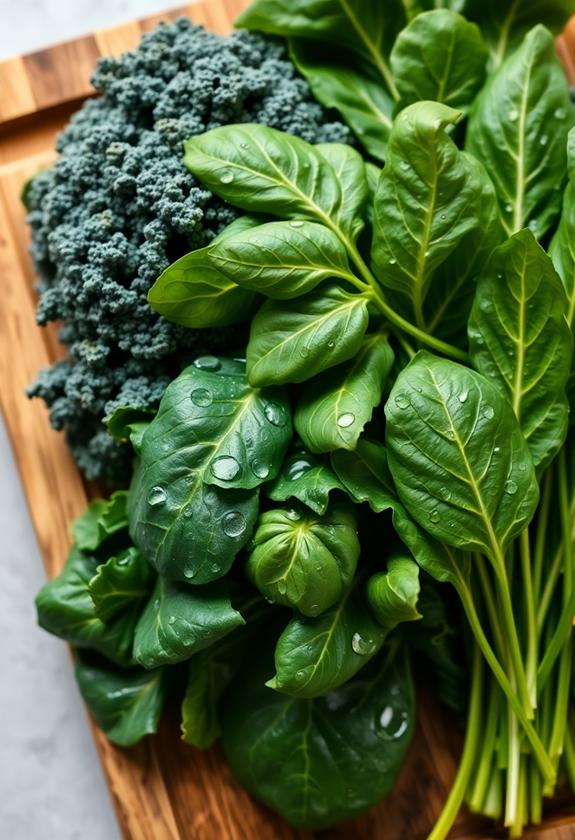
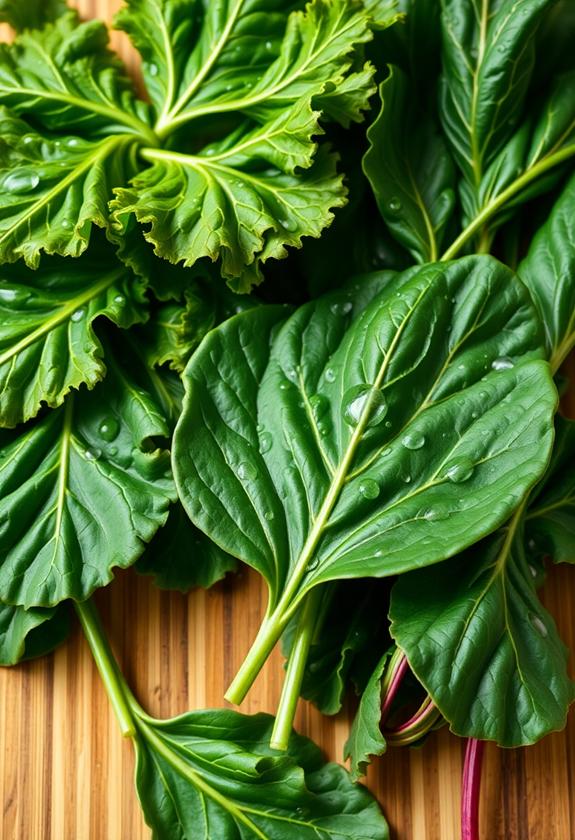
When you're selecting greens for your smoothies, a visual inspection is essential. Look for vibrant, consistent colors that indicate freshness and nutrient richness. You'll want to avoid leaves with yellowing edges or brown spots, as these are signs of age or damage. Pay attention to the leaf shapes, too. They should be crisp and well-defined, not wilted or torn. When choosing leafy greens for your smoothies, consider options like spinach, kale, or Swiss chard, which are packed with vitamins and minerals. These nutrient-dense greens can significantly boost the health benefits of your smoothie. Don't be afraid to gently touch the leaves – they should feel firm and springy, not limp or slimy.
Touch and Texture Test
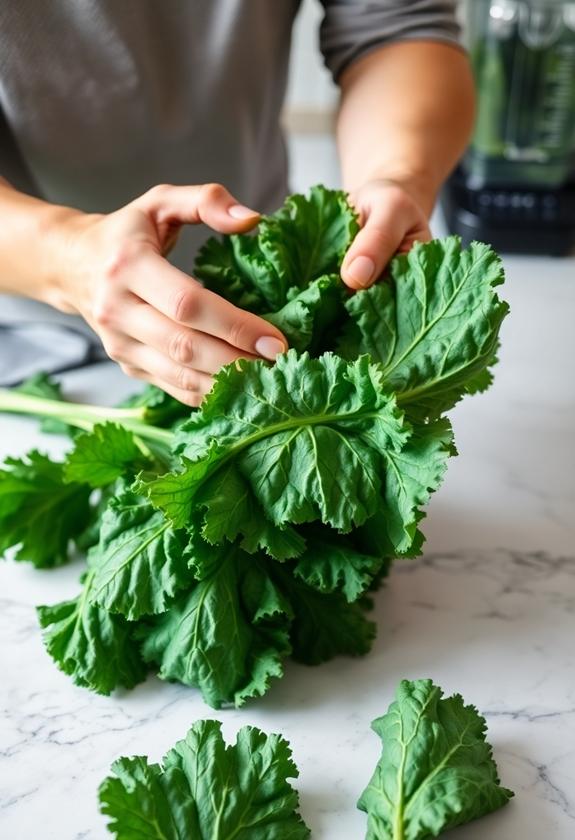
Building on the visual inspection, a touch and texture test provides essential insights into the quality of your greens. When you're selecting leaves for your smoothie, don't be shy about gently handling them. You're looking for that all-important crisp factor. Fresh, healthy greens should feel firm and springy to the touch, not limp or wilted. Pay attention to leaf integrity, too. Run your fingers along the edges and surface of the leaves. They should feel smooth and intact, without any slimy or mushy spots. If you notice any tears or holes, it's best to choose another bunch. Green smoothie benefits are numerous, so it's worth taking the time to select the best ingredients. The freshest greens will provide the most nutrients and the best flavor for your smoothies. Remember, the texture of your greens plays a big role in the overall quality of your smoothie. By mastering this touch test, you'll guarantee your blends are always packed with the freshest, most nutritious greens possible.
Smell for Freshness
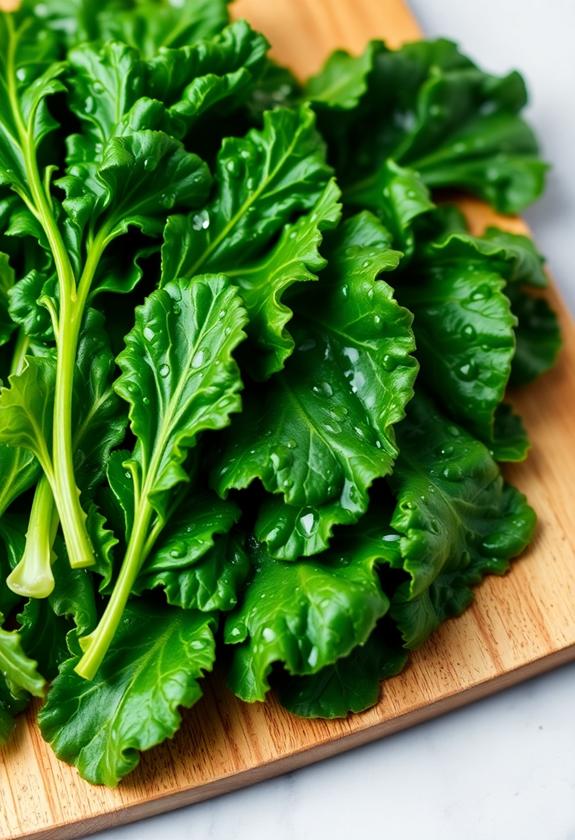
Inhale deeply as you approach the greens section. Your nose is a powerful tool for detecting freshness, so trust it! Fresh greens should have a crisp, clean aroma that's invigorating and reminiscent of a garden. If you catch any musty or sour smells, it's best to move on to another bunch. Green smoothies are an excellent way to cleanse your body naturally, and starting with the freshest ingredients is key to maximizing their benefits.
Leafy aromas are one of the most reliable freshness indicators. As you pick up different bunches, gently ruffle the leaves and breathe in. You're looking for that unmistakable scent of liveliness – it's subtle but distinct. Spinach should have a mild, earthy smell, while kale might offer a slightly peppery note. Don't be shy about giving each bunch a good sniff. You'll quickly develop a knack for identifying the freshest greens, ensuring your smoothies are packed with the most nutritious and flavorful ingredients.
Seasonal Selection Guide
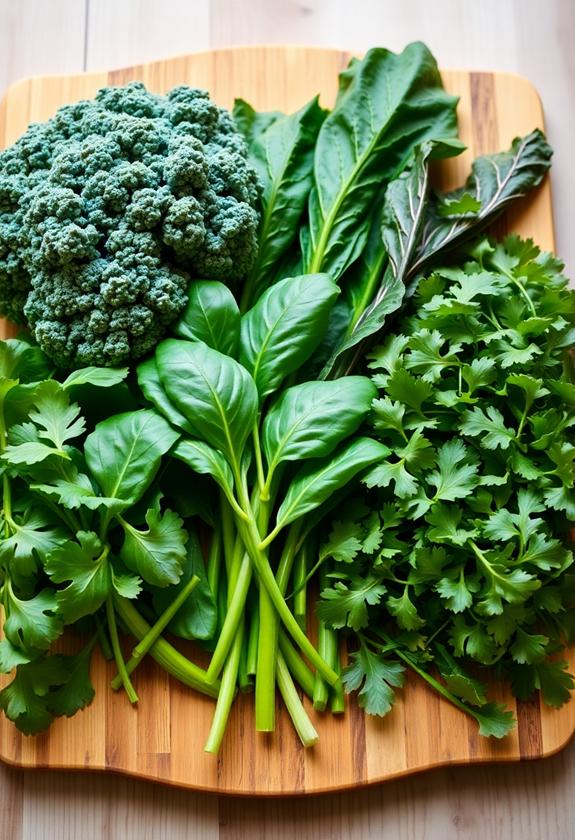
Why stick to the same greens year-round when nature offers a diverse palette each season? Embracing seasonal availability can transform your smoothies into vibrant, nutrient-packed creations. In spring, try tender baby spinach and peppery arugula. Summer brings a bounty of swiss chard and kale, perfect for adding a robust flavor to your blends. As autumn arrives, experiment with collard greens and beet greens for an earthy twist. Winter doesn't mean compromise; look for hearty, frost-kissed spinach or greenhouse-grown microgreens. Exploring unique greens can add exciting new flavors and nutritional profiles to your smoothies, taking them from ordinary to extraordinary.
Local sourcing is key to maximizing freshness and flavor. Visit farmers' markets or join a CSA to discover what's thriving in your area. You'll not only enjoy the freshest ingredients but also support local agriculture. Remember, each season's greens offer unique nutritional benefits, so mix it up and let nature guide your smoothie exploration!
Organic vs. Conventional
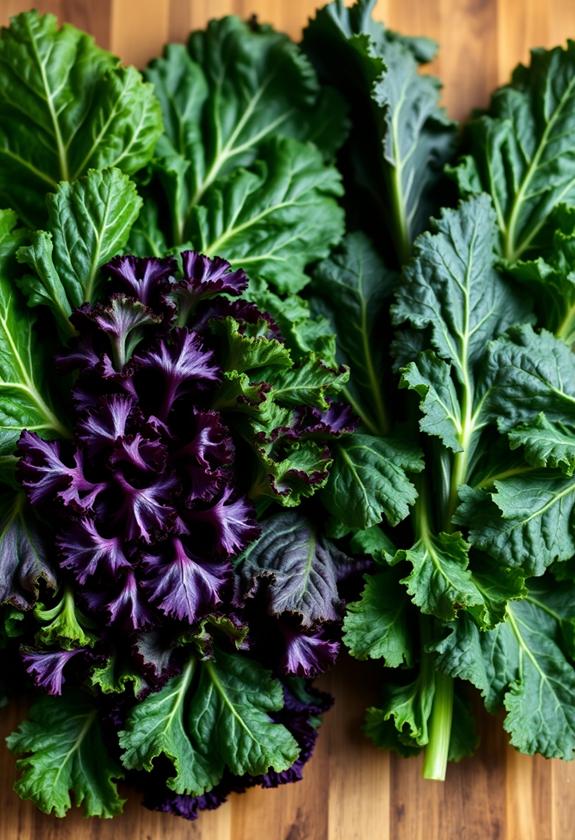
When selecting greens for your smoothies, you'll often face the choice between organic and conventional options. Both have their merits, and it's important to take into account your priorities. Organic greens are grown without synthetic pesticides, which can be appealing if you're focused on reducing chemical exposure. They may offer slightly higher nutrient content, though the health benefits of both types are significant. On the other hand, conventional greens are usually more budget-friendly, which is great if you're watching your spending. Another option to take into account is frozen greens, which can be a convenient and nutritious choice for your smoothies. Frozen greens are often picked at peak ripeness and flash-frozen, preserving their nutrients.
Consider doing a cost comparison at your local grocery store to see the price difference. Remember, washing your greens thoroughly is essential for both organic and conventional produce. Ultimately, the best choice is the one that fits your lifestyle and budget while encouraging you to consume more nutrient-rich greens in your smoothies. You're making a great choice either way!
Storage and Longevity
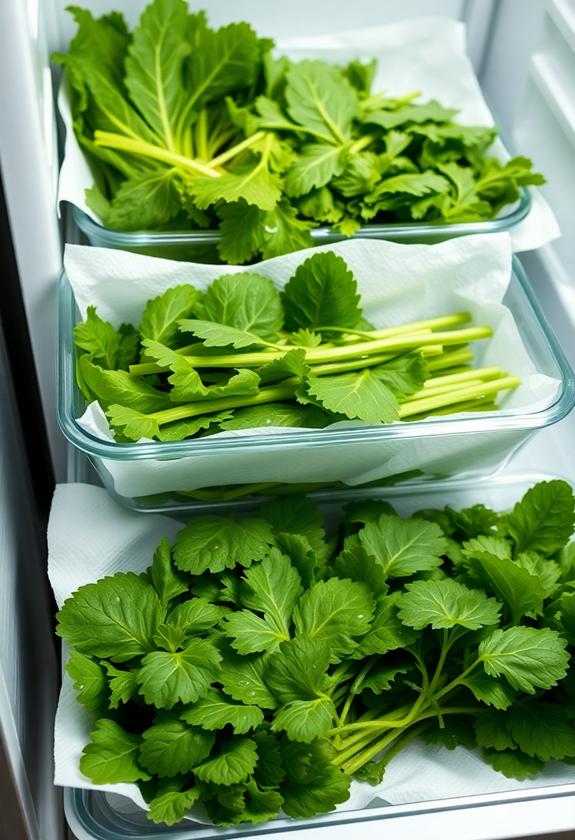
To maximize the freshness and nutritional value of your greens, proper storage is essential. When you bring your leafy greens home, don't just toss them in the fridge! Instead, try different refrigeration methods to extend their shelf life. Wrap your greens in a slightly damp paper towel before placing them in a plastic bag, or invest in special produce bags designed to keep greens crisp. Remember to remove any damaged leaves, as they can cause the rest to spoil faster. If you're planning to prep ahead, consider blending your greens with just water and freezing the mixture in ice cube trays for quick and convenient smoothie additions later.
For longer-lasting freshness, consider storing hardier greens like kale or collards in a glass of water, just like a bouquet of flowers. Change the water every couple of days, and you'll be amazed at how long they stay vibrant. With these simple tips, you'll always have fresh, nutrient-packed greens ready for your delicious smoothies!
Nutrient-Dense Options
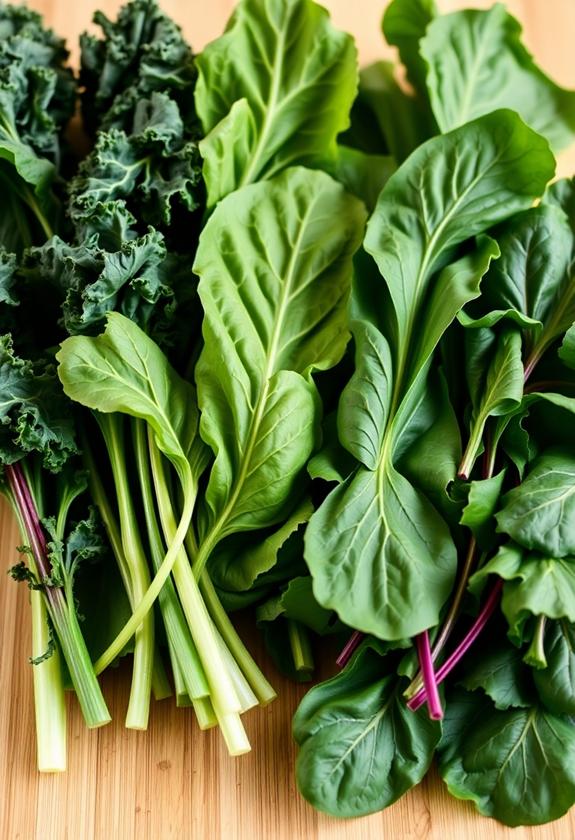
Now that you've mastered storing your greens, let's investigate some powerhouse options for your smoothies. Kale is a fantastic choice, packed with superfood benefits and antioxidant properties that'll boost your health. Spinach, another nutrient-dense option, is mild in flavor but rich in iron and vitamins. When deciding between the two, consider their nutritional profiles to determine which best suits your health goals. Both greens offer unique benefits for your smoothies. Don't overlook Swiss chard, which offers a unique taste and impressive nutritional profile. For a peppery kick, try adding arugula to your blend.
These greens aren't just healthy; they're versatile too! You can mix and match them to create delicious combinations that'll keep your taste buds excited. Remember, variety is key to getting a wide range of nutrients. By incorporating these nutrient-dense options into your smoothies, you're giving your body a wonderful gift of health and well-being. So go ahead, experiment with these powerhouse greens and enjoy the benefits!
Avoiding Pesticides and Chemicals
Safety should be a top priority when selecting greens for your smoothies. You'll want to minimize your exposure to pesticide residues and other harmful chemicals. Opt for organic greens whenever possible, as they're grown without synthetic pesticides. If organic options aren't available or are too costly, don't worry! You can still make smart choices. Detox smoothies can help combat the effects of unhealthy food additives, making them an excellent addition to your diet. Look for locally grown greens at farmers' markets, where you can ask about farming practices. Alternatively, thoroughly wash conventional greens under cool running water, and consider using a fruit and vegetable wash for extra cleaning power.
Best Greens for Beginners
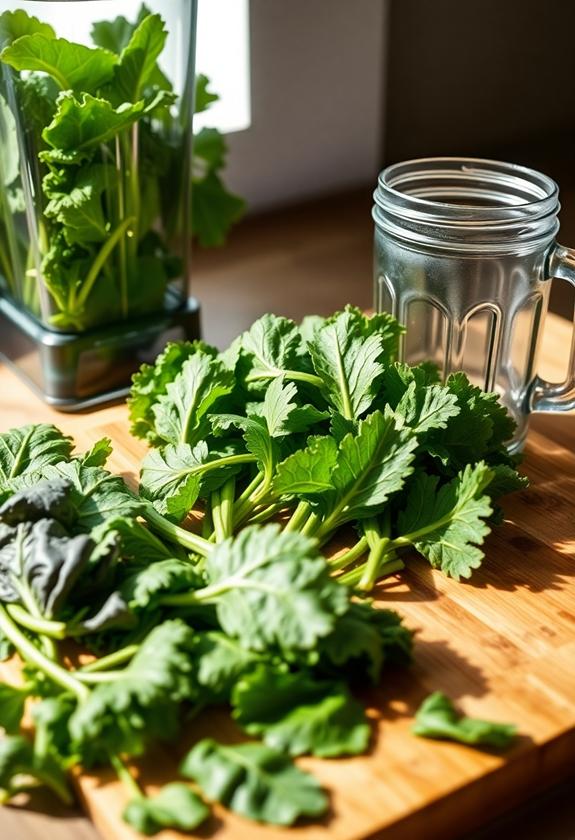
For those new to green smoothies, starting with milder-tasting options can make the experience more enjoyable. You'll want to choose greens that blend well and don't overpower the other ingredients. Spinach is a fantastic choice for beginners, as it's packed with nutrients but has a subtle flavor. Kale is another popular option, though you might want to remove the stems for easier blending. Romaine lettuce and Swiss chard are also great choices, offering a gentle taste and smooth texture. These greens are not only delicious but also provide lasting energy throughout the day, making them perfect for energizing smoothies.
When creating easy smoothie recipes, try pairing these greens with sweet fruits like bananas or berries to balance the flavors. As you get more comfortable, you can experiment with stronger-tasting greens. Remember, a good beginner blender tip is to add your greens first, then liquid, for smoother blending. Don't be afraid to start small and gradually increase the amount of greens in your smoothies.
Mixing and Matching Varieties
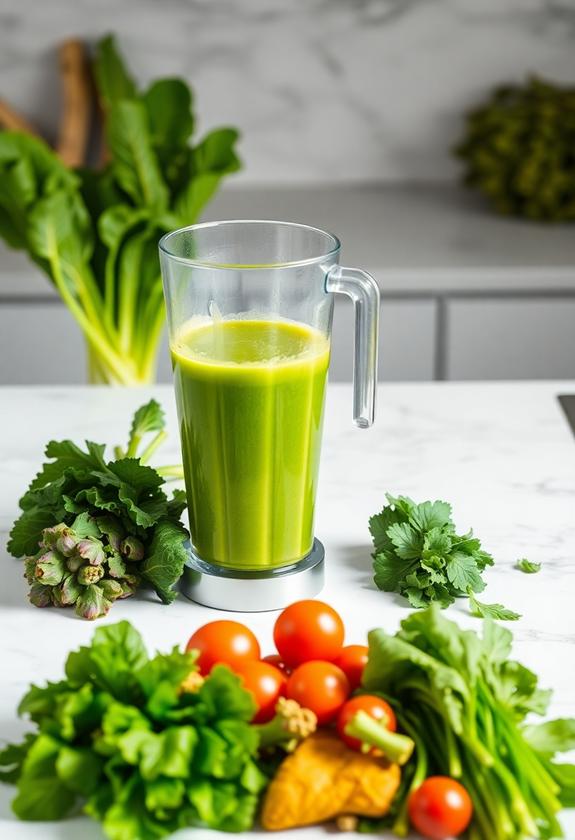
Savvy smoothie enthusiasts often find that mixing different greens can create a more complex flavor profile and nutritional balance. You'll discover that combining various leafy greens offers exciting variety benefits, enhancing both taste and health perks. Try pairing mild spinach with zesty arugula, or blend sweet kale with tangy Swiss chard. These combinations can introduce new flavor profiles to your smoothies, keeping things interesting and delicious. Adding superfood boost ingredients like chia seeds or spirulina can further enhance your green smoothie's nutritional value and flavor complexity.
Don't be afraid to experiment! You might find that a mix of romaine and watercress adds a refreshing crunch, while combining collards and beet greens boosts your drink's earthy notes. As you investigate different combinations, you'll develop a keen sense of which greens complement each other best. Remember, there's no right or wrong way to mix – it's all about finding what you enjoy most.
Frequently Asked Questions
Can I Use Frozen Greens in My Smoothies?
You can use frozen greens in your smoothies, and they're a fantastic option. They're packed with nutritional benefits, just like fresh greens, and they're super convenient. When blending, you'll want to add them last to help your blender process them easily. Don't worry about thawing them first – they'll blend right up and make your smoothie nice and cold. It's a great way to always have greens on hand for your healthy drinks!
How Long Can I Keep Cut Greens Before Using Them?
Ah, the eternal struggle of the smoothie enthusiast: keeping those cut greens fresh! You'd think they'd last forever, right? Well, sadly, they don't. But don't worry, you've got options! For ideal freshness, store your cut greens in a sealed container with a damp paper towel. They'll stay crisp for about 3-5 days in the fridge. Remember, the fresher they are, the more nutritious your smoothie will be. So, use them quickly and keep blending those delicious, healthy drinks!
Are Microgreens Suitable for Smoothies?
You'll love using microgreens in your smoothies. They're perfect little powerhouses of nutrition. With many microgreen varieties to choose from, like spicy radish or mild sunflower, you'll never get bored. These tiny greens pack a big punch of nutrient benefits, often containing more vitamins and minerals than their full-grown counterparts. Don't be afraid to experiment with different types in your smoothies. You'll be amazed at how these little greens can boost your health and add exciting flavors to your drinks!
Can I Grow My Own Greens for Smoothies Indoors?
You can grow your own greens for smoothies indoors, and it's a wonderful way to guarantee fresh, nutrient-rich ingredients. Indoor gardening is perfect for small spaces and lets you enjoy homegrown greens year-round. You'll love watching your plants grow and knowing exactly where your food comes from. Plus, you'll get the maximum nutrient benefits from freshly harvested greens. With a sunny windowsill or grow lights, some pots, and seeds, you're all set to start your indoor smoothie garden!
Are There Any Greens I Should Avoid During Pregnancy?
During pregnancy, you'll want to be extra careful with your greens, but don't worry! There are plenty of safe options that'll give you amazing nutrient benefits. You should avoid raw sprouts and unwashed greens, as they might carry harmful bacteria. Stick to well-washed leafy greens like spinach, kale, and romaine lettuce. These are packed with vitamins and minerals that'll help you and your baby thrive. Remember, it's always best to consult your doctor about your specific dietary needs during pregnancy.