Some links below are affiliate links. We earn a commission on purchases at no extra cost to you. Although our opinions are based on curated research, we haven't used these products. Article generated with AI.

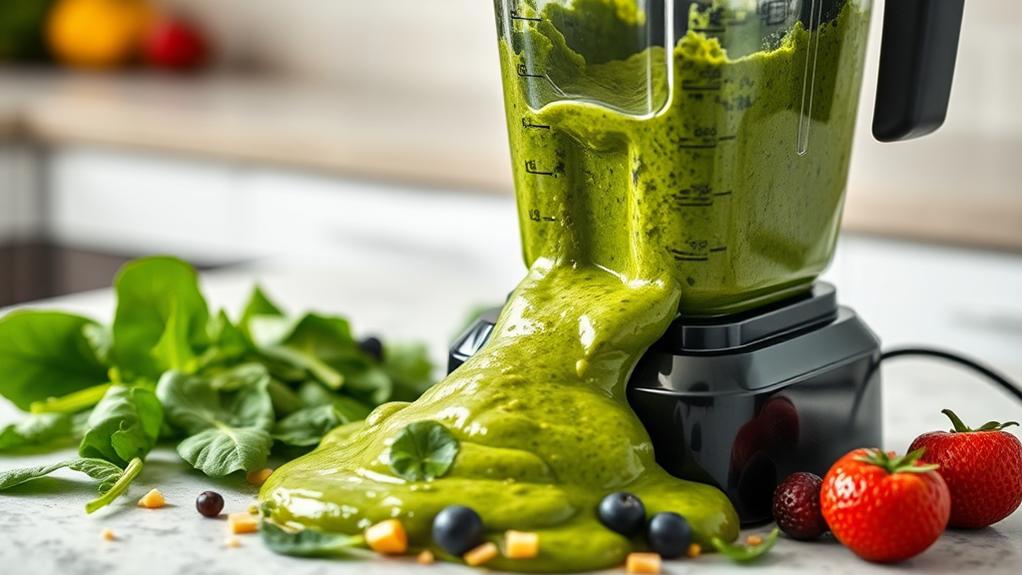
5 Common Mistakes Beginners Make When Starting With Green Smoothies
When starting with green smoothies, you might make a few common mistakes. First, don’t overload on greens, as it can lead to a bitter taste. Second, pay attention to ingredient ratios, aiming for 60% fruits and 40% greens. Third, balance flavors by using base fruits to mask bitterness and adding tangy elements for brightness. Fourth, don’t forget protein, which keeps you full and stabilizes blood sugar. Finally, be mindful of ingredient compatibility, as some combinations can create unpleasant flavors or hinder nutrient absorption. By avoiding these pitfalls, you’ll be well on your way to creating delicious, nutritious smoothies. Let’s investigate each mistake in more detail to help you perfect your blend.
Table of Contents
hide
Key Takeaways
- Overloading smoothies with too many greens, leading to a bitter taste and unpalatable texture.
- Neglecting proper ingredient ratios, particularly the balance between fruits, greens, and liquids.
- Ignoring flavor balance by not including base fruits or sweeteners to mask the bitterness of greens.
- Skimping on protein, which is essential for satiety and blood sugar stabilization in green smoothies.
- Using incompatible ingredients that may create bitterness or hinder nutrient absorption in the smoothie.
Overloading With Greens
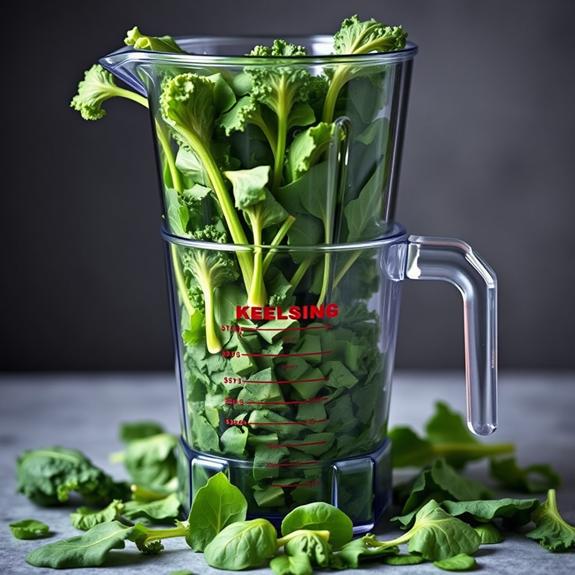
One of the most common pitfalls when making green smoothies is overloading them with greens. While it’s tempting to pack in as many leafy vegetables as possible, this can lead to an overpowering, bitter taste that might turn you off from green smoothies altogether. It makes sense to start with some beginner-friendly smoothies recipies. Remember, you’re just starting out, and it’s okay to ease into it!
Instead of filling your blender to the brim with kale or spinach, try starting with a smaller amount. A good rule of thumb is to use about one cup of greens for every two cups of fruit. This balance will give you a smoother, sweeter taste that’s much more enjoyable. As you get used to the flavor, you can gradually increase the amount of greens.
Don’t forget, there are many types of greens you can use. Mix it up with different combinations of spinach, kale, romaine lettuce, or even Swiss chard. Each green has its own unique flavor and nutritional profile. By experimenting with different greens and amounts, you’ll find the perfect balance that works for you and your taste buds.
Neglecting Proper Ingredient Ratios
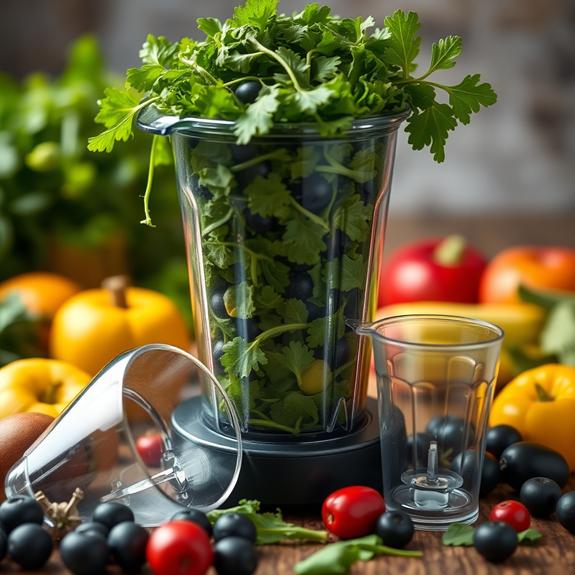
While the previous mistake focused on overloading greens, another common error is neglecting proper ingredient ratios in green smoothies. It’s easy to get carried away and throw everything into the blender, but balance is key for a delicious and nutritious drink. You’ll want to aim for a ratio of about 60% fruits to 40% greens, which will help maintain a pleasant taste while still packing in those leafy benefits.
Don’t forget about liquid! A good rule of thumb is to add 1 cup of liquid for every 2 cups of solid ingredients. This guarantees your smoothie isn’t too thick or too watery. Water, plant-based milk, or coconut water are great options. To boost nutrition and create a creamy texture, consider adding a healthy fat like avocado or nut butter. A small handful of seeds, such as chia or flax, can provide extra fiber and omega-3s. Remember, it’s all about finding the right balance for your taste buds and nutritional needs. With a little practice, you’ll be creating perfect green smoothies in no time!
Ignoring Flavor Balance
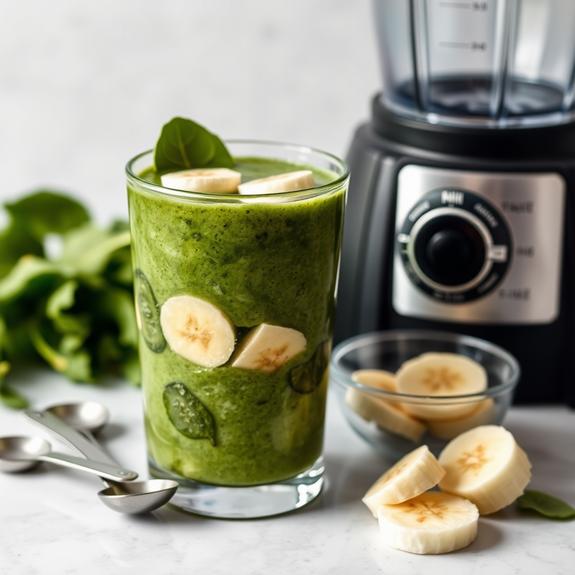
Flavor balance is essential when crafting green smoothies. When you’re just starting out, it’s easy to toss in a bunch of healthy ingredients without considering how they’ll taste together. But remember, your smoothie should be enjoyable, not something you have to force down! Don’t worry, though – with a little practice, you’ll become a pro at creating delicious blends.
To achieve a balanced flavor, start by choosing a base like banana or mango. These sweet fruits can help mask the bitterness of greens. Then, add your leafy greens – spinach and kale are great choices for beginners. Next, consider adding a tangy element, like lemon juice or berries, to brighten the flavor. If your smoothie needs a little sweetness, try adding dates or a touch of honey.
As you experiment, you’ll discover your favorite combinations. Don’t be afraid to adjust the ratios until you find what works for you. Remember, a well-balanced green smoothie should be refreshing and satisfying. With time and patience, you’ll be creating smoothies that are both nutritious and delicious!
Skimping on Protein
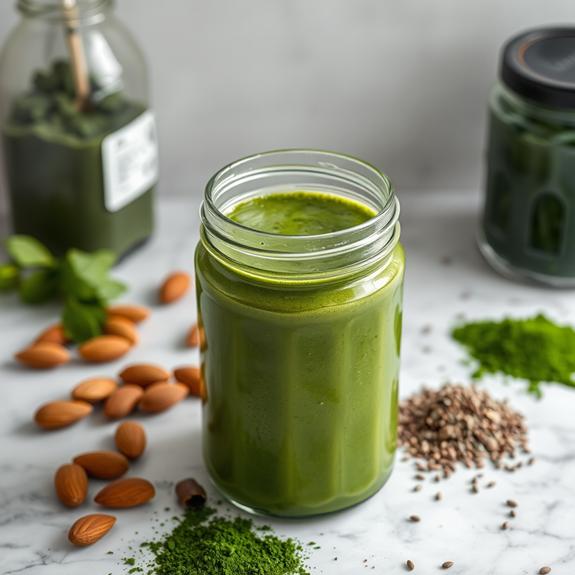
Many health-conscious smoothie makers focus solely on packing their drinks with fruits and vegetables, overlooking the importance of protein. While greens and fruits are essential, your body needs protein to function at its best. Adding protein to your smoothies isn’t just about building muscle; it’s vital for keeping you full and satisfied throughout the day.
You’ll find that protein-rich smoothies help stabilize your blood sugar, preventing those mid-morning energy crashes. Don’t worry, you’ve got plenty of options! Try adding a scoop of your favorite protein powder, a handful of nuts, or a dollop of Greek yogurt. If you’re vegan, consider hemp seeds, chia seeds, or a plant-based protein powder. These additions won’t just boost the protein content; they’ll also make your smoothie creamier and more satisfying.
Using Incompatible Ingredients
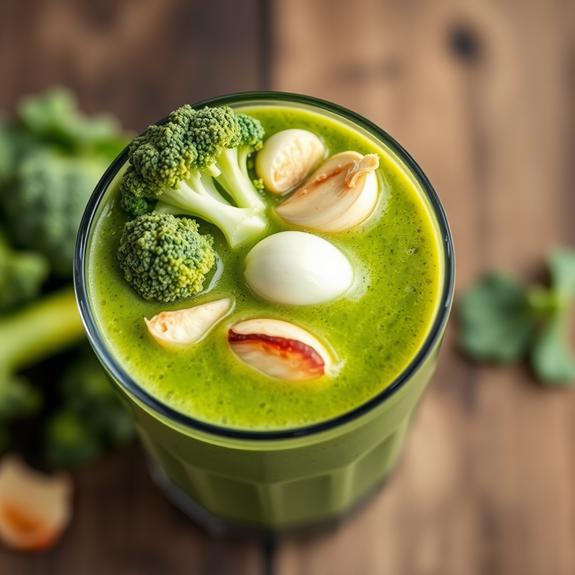
As far as green smoothies are concerned, not all ingredients play well together. You might be tempted to throw in everything you’ve got, but that’s not always the best approach. Some combinations can lead to an unpleasant taste or texture, while others might even interfere with nutrient absorption.
For example, mixing certain fruits with leafy greens can sometimes create a bitter flavor. You’ll want to be careful when combining acidic fruits like oranges or pineapples with vegetables like kale or spinach. Instead, try pairing milder fruits like bananas or pears with your greens for a smoother taste.
Another thing to watch out for is combining ingredients that might hinder each other’s benefits. For instance, the iron in spinach is better absorbed when paired with vitamin C-rich foods, but calcium can actually inhibit iron absorption. So, you might want to avoid adding dairy to your iron-packed smoothies.
Frequently Asked Questions
How Long Can I Store Green Smoothies in the Refrigerator?
You’ll want to enjoy your green smoothies as fresh as possible for the best taste and nutrition. Ideally, you should drink them within 24 hours of making them. If you need to store them, keep them in an airtight container in the refrigerator for up to 2-3 days. Remember, the longer you store them, the more nutrients they’ll lose. To maintain freshness, fill your container to the top, reducing air exposure. Always give your smoothie a good shake before drinking!
Are There Any Greens I Should Avoid in My Smoothies?
Like a garden with its share of thorns, not all greens are smoothie-friendly. You’ll want to steer clear of rhubarb leaves, which contain oxalic acid that can be harmful. It’s also best to avoid raw kale and spinach in large amounts, as they contain compounds that may interfere with nutrient absorption. Don’t worry, though! There’s still a rainbow of greens to choose from. Lettuce, Swiss chard, and collard greens are fantastic options that’ll make your smoothies sing with health benefits.
Can I Use Frozen Fruits Instead of Fresh in Green Smoothies?
Absolutely, you can use frozen fruits in your green smoothies! It’s a great option that offers several benefits. Frozen fruits are often cheaper, last longer, and are just as nutritious as fresh ones. They’ll give your smoothie a thicker, creamier texture and make it delightfully cold. Plus, you won’t need to add ice, which can water down your drink. Don’t be afraid to mix and match frozen and fresh fruits for the perfect balance of flavors and textures in your smoothie.
What’s the Best Blender for Making Green Smoothies?
Imagine your blender as a trusty steed, galloping through the fields of nutrition. You’ll want a powerful, high-speed blender for your green smoothie adventures because it is one of your most essential smoothie tools. Brands like Vitamix, Blendtec, and Ninja are popular choices. They’re great at breaking down tough greens and creating smooth textures. Don’t worry if you can’t afford these pricier options, though. A regular blender can still work well, you’ll just need to blend longer and may have a slightly chunkier result. The most important thing is that you’re making those healthy smoothies!
How Can I Make My Green Smoothies More Filling and Satisfying?
To make your green smoothies more filling and satisfying, you’ve got some great options! Try adding protein-rich ingredients like Greek yogurt, chia seeds, or a scoop of protein powder. Don’t forget healthy fats, such as avocado or nut butter, which’ll keep you full longer. Boost fiber content with oats or ground flaxseed. You can also mix in some complex carbs like banana or sweet potato. Remember, balance is key – experiment with different combinations to find what works best for you!