Some links below are affiliate links. We earn a commission on purchases at no extra cost to you. Although our opinions are based on curated research, we haven't used these products. Article generated with AI.

How to Transition Back to Solid Food After a 3-Day Cleanse
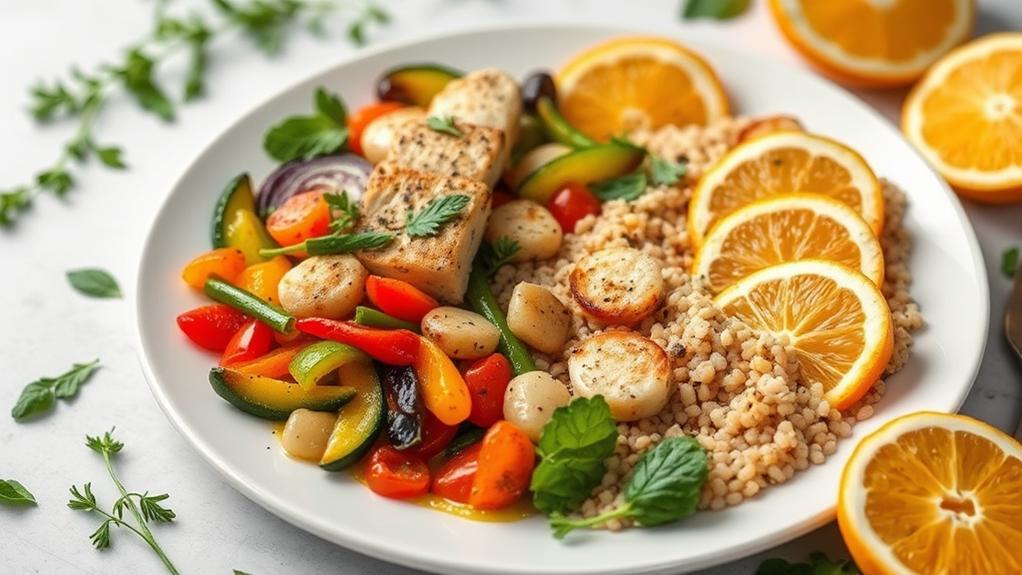
After your 3-day cleanse, it's important to ease back into solid foods gently. Start by prioritizing hydration with water-rich fruits and vegetables. Gradually reintroduce soft, easily digestible foods like ripe bananas and steamed carrots. Then, incorporate lean proteins such as fish or tofu, followed by whole grains like quinoa or brown rice. Listen to your body and practice mindful eating, savoring each bite. Avoid processed foods and focus on fresh, whole ingredients. Consider adding probiotic-rich foods to support your gut health. Remember to control your portions and eat slowly. By following these steps, you'll set yourself up for a smooth transition and continued wellness.
Table of Contents
hide
Key Takeaways
- Start with easily digestible foods like fruits, vegetables, and lean proteins, gradually increasing variety and portion sizes.
- Stay hydrated by drinking plenty of water and incorporating water-rich foods into your diet.
- Practice mindful eating, chewing slowly and paying attention to hunger and fullness cues.
- Avoid processed foods and focus on whole, nutrient-dense ingredients to support your body's recovery.
- Include probiotic-rich foods to promote gut health and aid in digestion during the transition.
Start With Hydration

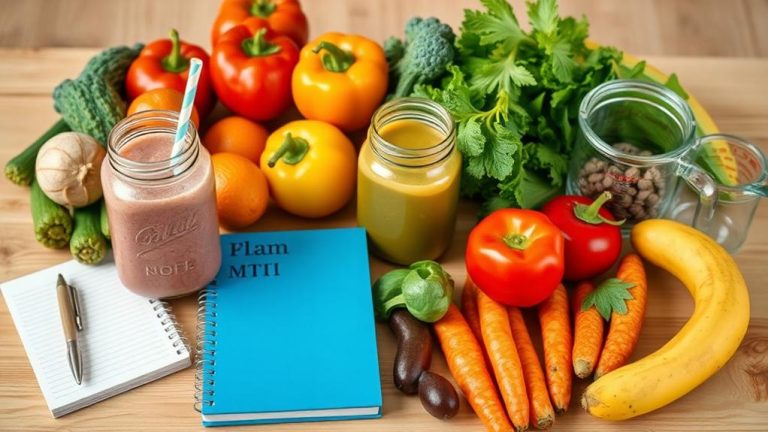
After completing a cleanse, it is crucial to prioritize hydration as you transition back to solid foods. Your body needs plenty of fluids to support digestion and nutrient absorption. Welcome the many hydration benefits by sipping water throughout the day, and don't forget to enjoy herbal teas or infused water for added flavor. Incorporating nutrient-rich smoothies into your routine can also help manage water weight and provide vital vitamins and minerals as you reintroduce solid foods.
Here are some helpful hydration tips to keep in mind: Start your day with a glass of warm lemon water to kickstart your system, and aim for at least 8 glasses of water daily. Listen to your body's thirst cues, and keep in mind that staying hydrated can help reduce fatigue and headaches. You can also boost your hydration by eating water-rich fruits and vegetables, like cucumbers and watermelon. As you reintroduce solid foods, maintaining proper hydration will help your body adjust smoothly and comfortably.
Reintroduce Fruits and Vegetables
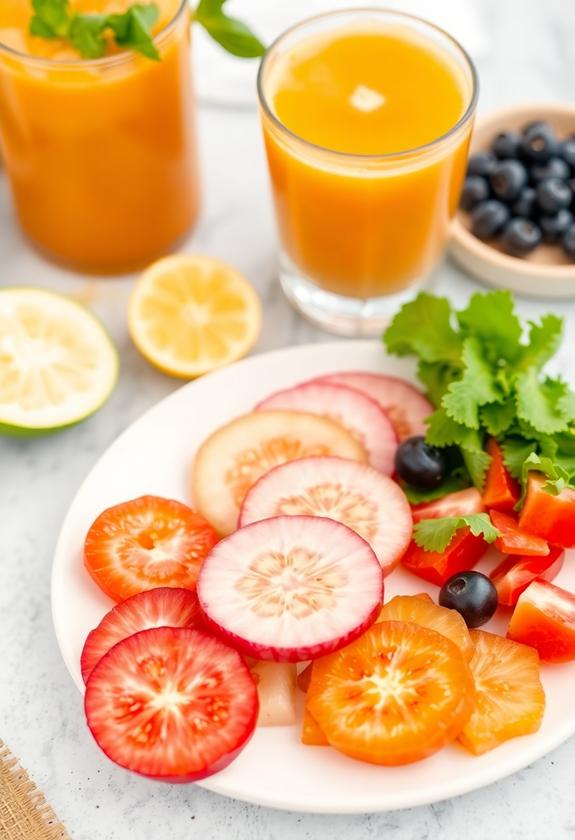
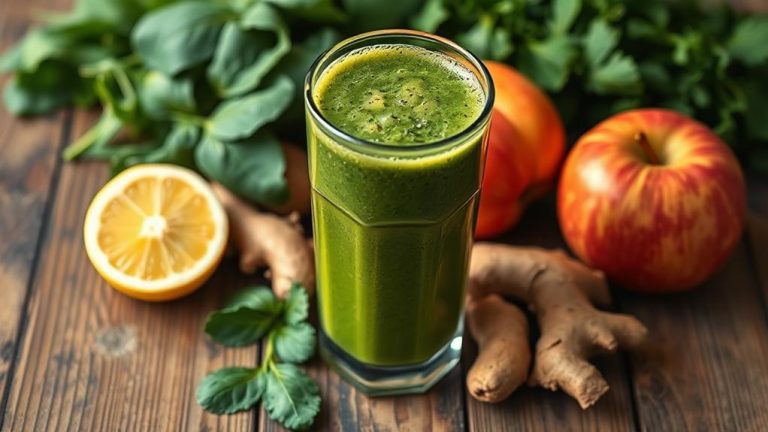
Now that you're well-hydrated, it's time to focus on reintroducing fruits and vegetables to your diet. Start with soft, easily digestible options like ripe bananas, melons, or steamed carrots. These gentle choices will help your body readjust without overwhelming your digestive system. Consider incorporating detox smoothie ingredients to ease the transition and support your body's natural cleansing processes.
As you progress, gradually increase your fruit variety and experiment with different vegetable preparation methods. Try blending fruits into smoothies or lightly sautéing vegetables for easier digestion. Remember, it's important to listen to your body and take things slow. You might feel excited to eat everything at once, but patience is key!
Don't forget to chew your food thoroughly and savor each bite. This not only aids digestion but also helps you reconnect with the flavors and textures of whole foods. You're doing great, and your body will thank you for this gentle transition!
Incorporate Lean Proteins
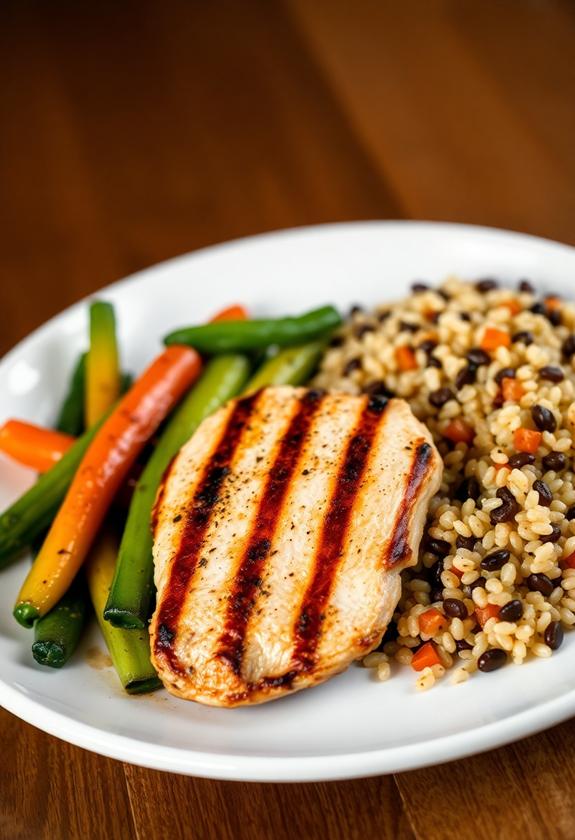
Moving forward with your transition, it's time to incorporate lean proteins into your post-cleanse diet. Your body will thank you for reintroducing these essential nutrients! Start with easily digestible protein sources like fish, chicken, or tofu. These options are gentle on your system and provide the building blocks your body needs to recover. When reintroducing proteins, be mindful of common mistakes that people often make during and after a smoothie cleanse, such as consuming too much too quickly or choosing heavily processed options.
When it comes to meal timing, listen to your body's hunger cues. You might find that smaller, more frequent meals work best as you adjust. Don't worry if you're not ready for large portions yet – that's perfectly normal. Remember, everyone's journey is unique, so be patient with yourself. As you progress, you can gradually increase your protein intake and investigate a wider variety of sources. Your body's been through a lot, so nourish it with love and care!
Add Whole Grains Gradually
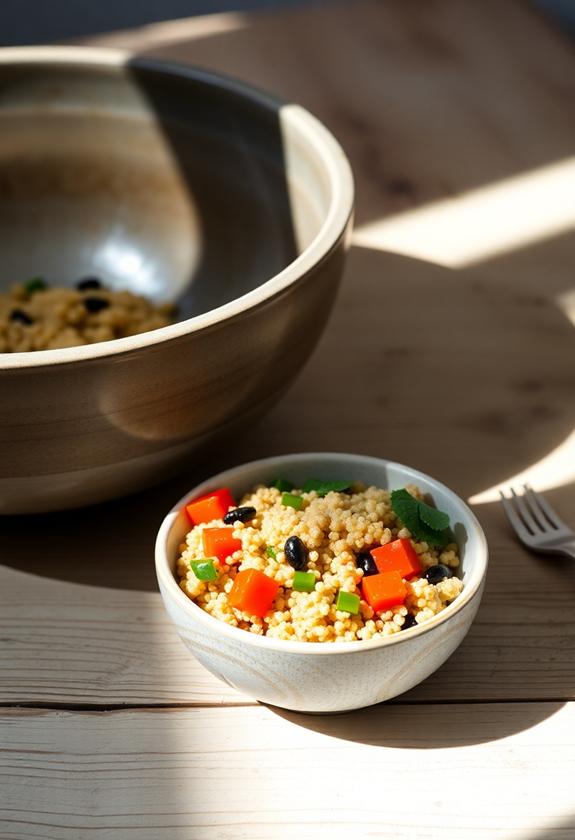
Whole grains should ease their way back into your diet as you progress in your post-cleanse transition. These fiber-rich foods offer numerous whole grain benefits, supporting your digestive system and overall health. After completing a 3-day detox cleanse, it's essential to reintroduce solid foods gradually to avoid overwhelming your system. As you reintroduce them, start with small portions and gradually increase over time. This gentle approach allows your body to readjust, minimizing any potential discomfort.
Consider incorporating these fiber sources into your meals:
- Quinoa
- Brown rice
- Oatmeal
- Whole wheat bread
- Barley
Avoid Processed Foods
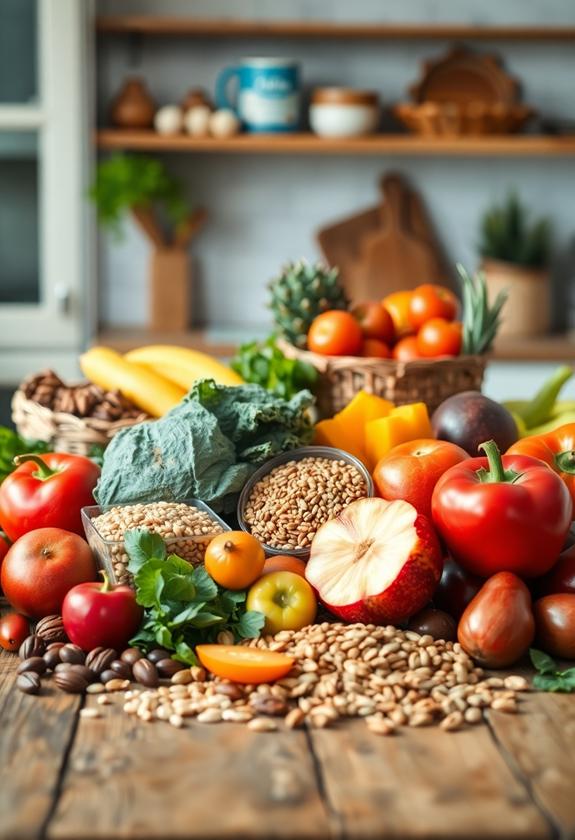
While reintroducing whole foods into your diet, it's crucial to steer clear of processed foods. These items often contain hidden sugars, unhealthy fats, and artificial additives that can undo the benefits of your cleanse. Instead, focus on fresh, whole ingredients that nourish your body. When shopping, take time to read nutritional labels carefully, avoiding products with long lists of unfamiliar ingredients. Important tips for maintaining the benefits of your smoothie cleanse include gradually reintroducing solid foods and staying hydrated throughout the transition process.
Meal prepping can be a great way to guarantee you're eating clean, unprocessed foods. Spend some time on the weekend preparing healthy meals and snacks for the week ahead. This will help you resist the temptation of reaching for convenient, processed options when you're busy or tired. Remember, your body has just gone through a cleansing process, so it's vital to treat it with care and respect by choosing foods that will support your health and well-being.
Listen to Your Body
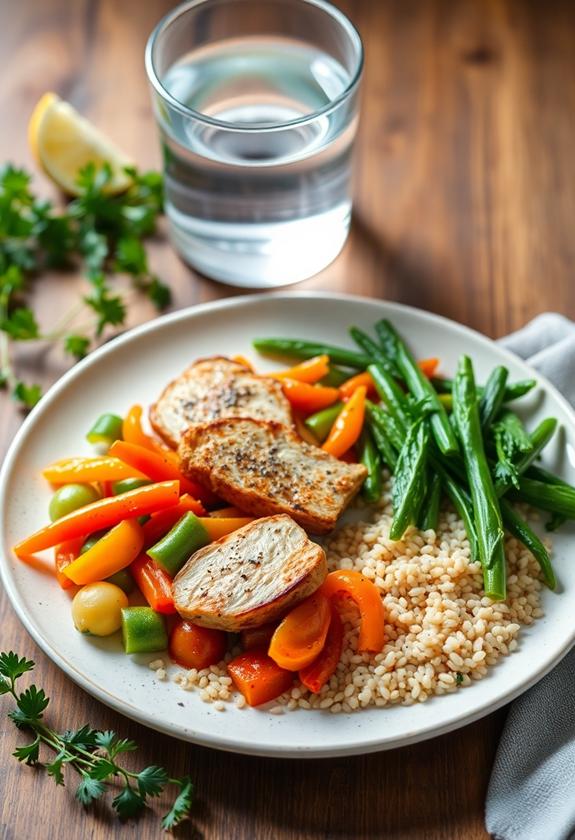
Your body's signals are essential guides during the transition back to solid foods. Pay close attention to your hunger signals and digestive health, as they'll help you navigate this period smoothly. Trust your instincts and don't rush the process. Your body knows what it needs, so be patient and gentle with yourself. As you reintroduce solid foods, remember to maintain the essential tips you learned during your smoothie cleanse to support your overall well-being.
Here are some key things to watch for:
- Feelings of fullness or satisfaction after small meals
- Any discomfort or bloating after eating certain foods
- Changes in energy levels throughout the day
- Cravings for specific nutrients or food types
- Shifts in your bathroom habits
Practice Mindful Eating
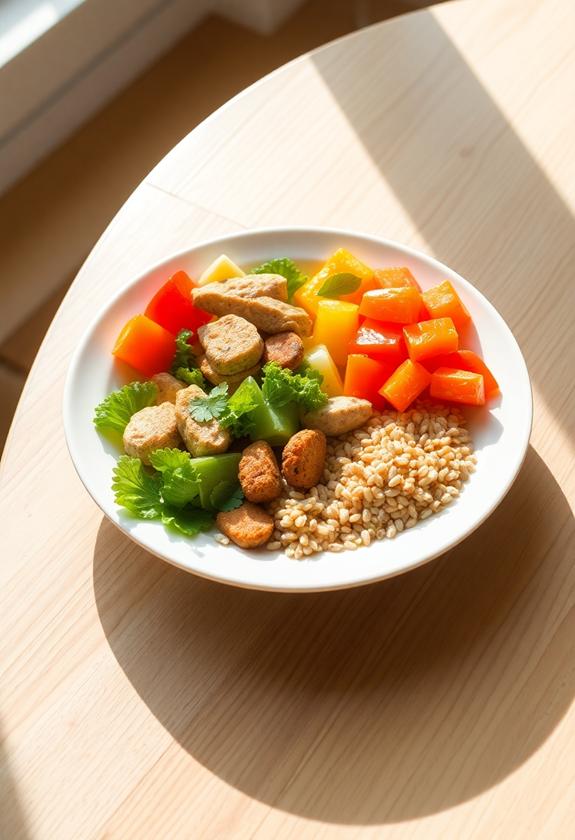
As you reintroduce solid foods, mindful eating becomes a powerful tool for a successful post-cleanse experience. Take the time to savor each bite, engaging all your senses in the process. Mindful meals aren't just about what you eat, but how you eat. Pay attention to the colors, textures, and aromas of your food, embracing sensory awareness with every mouthful. Consistency is key when shifting back to solid foods, just as it is with incorporating detox smoothies into your routine. By maintaining a consistent approach, you'll help your body adjust more smoothly to the reintroduction of solid foods.
Chew slowly and deliberately, allowing yourself to fully appreciate the flavors and textures. This practice not only aids digestion but also helps you reconnect with your body's hunger and fullness cues. As you eat, take moments to pause and check in with yourself. Are you still hungry? Are you enjoying the meal? By cultivating this awareness, you'll develop a healthier relationship with food and make more conscious choices about what and how much you eat.
Consider Probiotic-Rich Foods
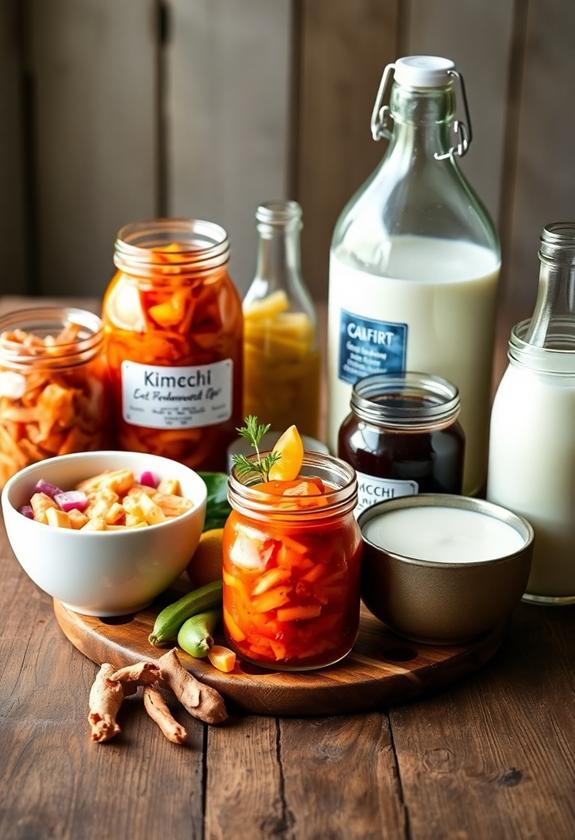
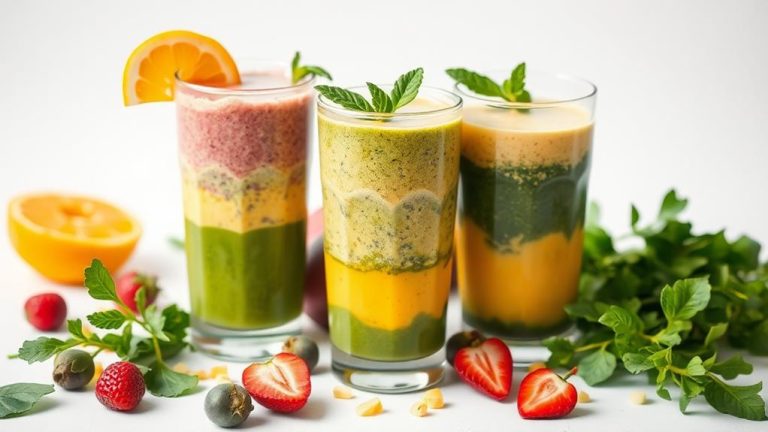
Incorporating probiotic-rich foods into your post-cleanse diet can significantly boost your digestive health and immune system. As you reintroduce solid foods, consider adding probiotic-packed options to support your gut health. Detox smoothies can be a great way to ease back into solid foods while still providing your body with essential nutrients and probiotics. Yogurt varieties, like Greek or kefir, are excellent choices that offer a creamy texture and numerous probiotic benefits. Don't forget about fermented foods, which are teeming with beneficial bacteria. These foods can help restore balance to your digestive system and strengthen your overall well-being.
Here are some probiotic-rich foods to try:
- Plain yogurt or kefir
- Sauerkraut or kimchi
- Kombucha tea
- Miso soup
- Tempeh
Maintain Portion Control
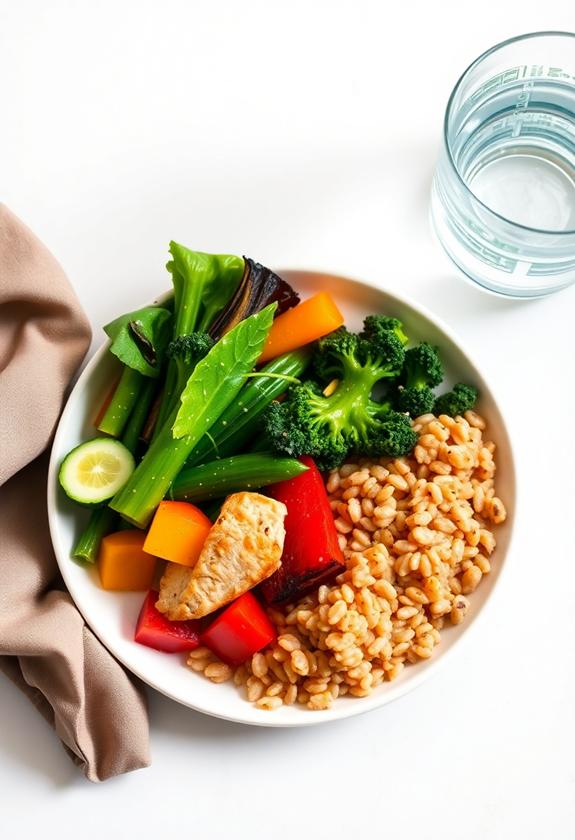
Maintaining portion control is essential when switching back to solid food after a cleanse. Your body's been on a break, so it's important to ease back into regular eating. Start with smaller portions than you're used to, and listen to your body's hunger cues. You'll likely feel full faster, so don't push yourself to clean your plate. A gentle transition is key to ensuring your body adapts smoothly after the cleanse, preventing potential digestive discomfort.
Meal planning can be a great tool to help you stay on track. Prepare balanced meals with a mix of lean proteins, whole grains, and plenty of veggies. This way, you'll know exactly what you're eating and how much. Don't forget about mindful snacking, too! Choose nutrient-dense options like fresh fruit or a handful of nuts, and savor each bite. Remember, it's okay to take it slow. Your body will thank you for being gentle and attentive during this transition.
Frequently Asked Questions
How Long Does It Typically Take to Fully Transition Back to Normal Eating?
Reverting back to normal eating typically takes about 3-5 days, but it's important to listen to your body. You'll want to use reintroduction strategies and take a gradual approach. Start with easily digestible foods like soups and smoothies, then slowly add in whole grains, fruits, and vegetables. Don't rush it! Your body needs time to adjust. Remember, everyone's different, so be patient and kind to yourself as you ease back into your regular diet.
Can I Drink Alcohol During the Transition Period?
It's best to avoid alcohol during your transition period, as it can be harsh on your system. Your body's still adjusting, and alcohol might disrupt this process. If you do choose to drink, moderation is key. Start with small amounts and listen to your body. Remember, alcohol can affect you differently after a cleanse. Stay hydrated, eat nutritious foods, and give yourself time to fully recover. Your health's the priority, so take it easy and be kind to yourself during this time.
Should I Take Any Supplements While Reintroducing Solid Foods?
Slowly and steadily, you should start supplementing your system as you shift back to solid foods. Consider carefully chosen supplement types like probiotics, which can help balance your gut bacteria. A multivitamin might also be beneficial. As for timing strategy, it's best to introduce supplements gradually, starting with small doses and increasing over time. Remember, you're rebuilding your body's reserves, so be patient and listen to your body. If you're unsure, it's always wise to consult with your doctor for personalized advice.
Is It Normal to Experience Bloating or Digestive Discomfort During the Transition?
Yes, it's completely normal to experience bloating or digestive discomfort during this transition. Your body's adjusting to solid foods again, which can cause temporary issues. Don't worry, though! There are some simple digestive remedies you can try. Eat slowly, chew thoroughly, and stay hydrated. Gentle exercises like walking can help, too. If bloating persists, try peppermint tea or probiotic-rich foods. Remember, everyone's body reacts differently, so be patient and kind to yourself as you ease back into your regular diet.
Can I Exercise Normally While Transitioning Back to Solid Foods?
You can exercise while shifting back to solid foods, but it's best to take it easy at first. Listen to your body and start with gentle activities like walking or stretching. As you feel more comfortable, slowly increase your exercise intensity. Remember, your energy levels might be a bit lower, so don't push too hard. It's essential to stay hydrated during this time, so drink plenty of water before, during, and after any physical activity. Your body will thank you for the extra care!