Some links below are affiliate links. We earn a commission on purchases at no extra cost to you. Although our opinions are based on curated research, we haven't used these products. Article generated with AI.

The Science Behind Turmeric’s Anti-Inflammatory Properties
Turmeric's anti-inflammatory power comes from curcumin, its star compound. When you consume turmeric, curcumin goes to work in your body, targeting inflammation at the molecular level. It blocks enzymes that cause swelling and pain, while also boosting your natural defenses. Studies show that curcumin can be as effective as some synthetic drugs, but with fewer side effects. To get the most benefit, pair turmeric with black pepper or healthy fats to improve absorption. From easing arthritis pain to protecting your heart, turmeric's science-backed properties make it a valuable addition to your health routine. There's so much more to discover about this golden spice's healing potential.
Table of Contents
hide
Key Takeaways
- Curcumin, turmeric's active compound, inhibits enzymes and proteins that promote inflammation in the body.
- Turmeric interacts with multiple molecular signaling pathways to reduce production of pro-inflammatory molecules.
- Clinical trials demonstrate curcumin's effectiveness in reducing inflammation for conditions like arthritis and digestive issues.
- Turmeric acts as a potent antioxidant, combating free radicals and boosting the body's natural antioxidant defenses.
- Curcumin can influence gene expression related to inflammation, working on multiple levels to restore balance in inflammatory processes.
Understanding Inflammation
Considering turmeric's potential benefits, it's vital to understand what inflammation actually is. Your body's natural defense mechanism, inflammation, helps protect you from harm. When you get hurt or sick, your immune system jumps into action, sending white blood cells to the affected area. This process causes redness, swelling, and sometimes pain, which is known as acute inflammation. Similar to turmeric, ginger's anti-inflammatory properties have been widely studied and recognized for their potential health benefits.
While acute inflammation is helpful, chronic inflammation can be harmful. It's like your body's alarm system that won't turn off, constantly fighting perceived threats. This long-term inflammation can lead to various health issues, including heart disease and arthritis. That's why it's important to manage inflammation in your body. By learning about inflammation, you're taking an important step towards better health. Remember, your body is amazing, and understanding how it works can help you take care of it better.
Curcumin: Turmeric's Active Compound
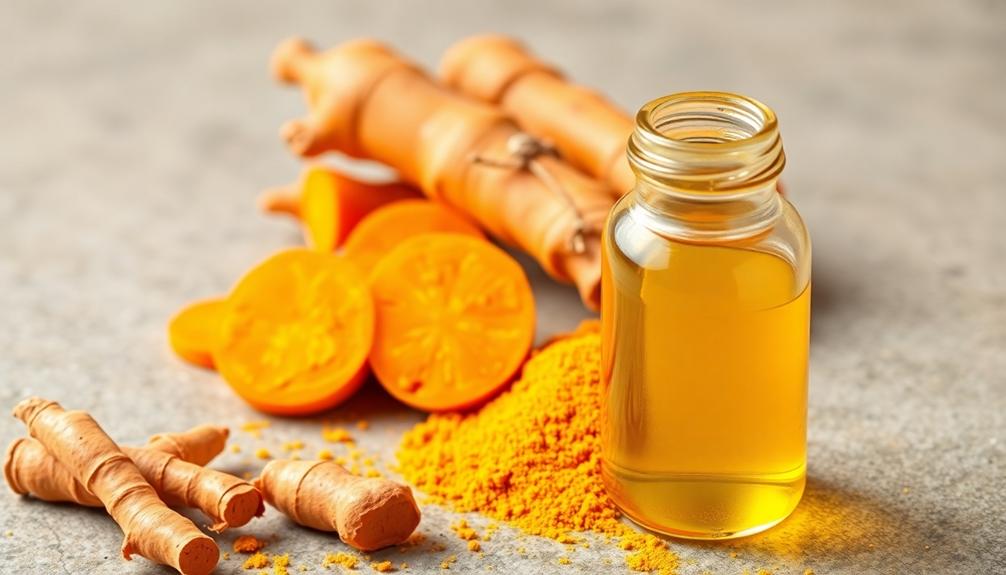
Turmeric's powerful anti-inflammatory effects stem from its key active compound: curcumin. This golden-hued molecule is responsible for many of turmeric's health benefits. When you consume turmeric, you're getting a dose of this incredible compound that can help reduce inflammation throughout your body. To maximize the benefits of curcumin, consider adding black pepper magic to your turmeric smoothies, as it significantly improves curcumin absorption.
Three significant things to know about curcumin:
- It's a potent antioxidant that fights free radicals
- It can help manage chronic pain conditions
- It may improve brain function and mood
Curcumin benefits are wide-ranging, from supporting joint health to potentially lowering the risk of heart disease. However, it's essential to recognize that curcumin dosage matters. Your body doesn't absorb curcumin easily, so you might need to take supplements or combine turmeric with black pepper to increase absorption. Always consult with your doctor before starting any new supplement regimen.
Molecular Mechanisms of Action
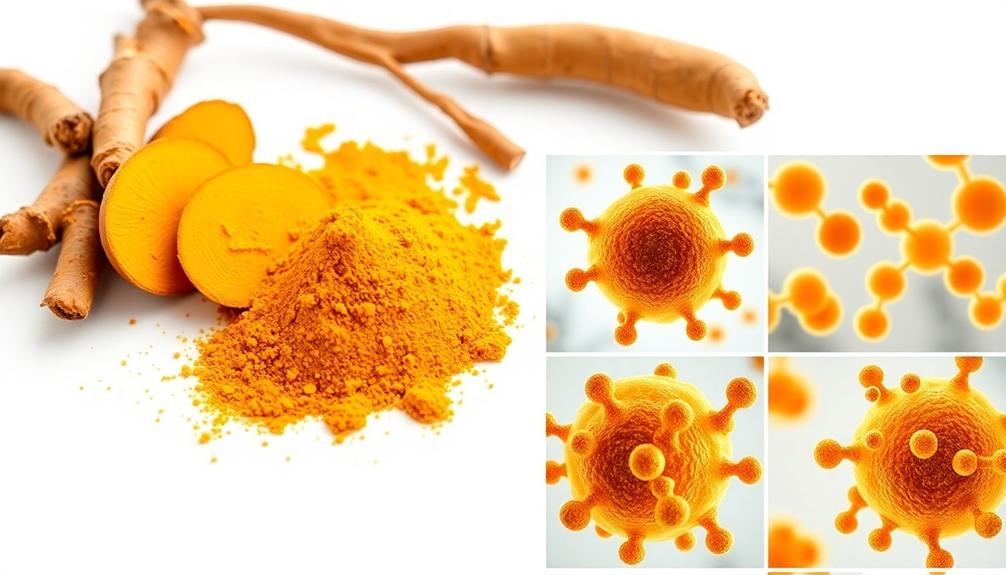
In order to understand turmeric's anti-inflammatory effects, it is crucial to examine the molecular mechanisms behind curcumin's action. When you consume turmeric, curcumin interacts with various molecular signaling pathways in your body. It's like a conductor orchestrating a symphony of cellular responses! Turmeric and ginger work synergistically to improve their anti-inflammatory properties, making them a powerful combination for health. Curcumin inhibits specific enzymes and proteins that promote inflammation, effectively calming your immune response. This remarkable compound also boosts your body's natural antioxidant defenses, helping to protect your cells from damage. You'll be amazed to learn that curcumin can even influence gene expression, turning off genes that contribute to inflammation. By working on multiple levels, curcumin helps restore balance to your body's inflammatory processes. It's truly fascinating how this golden spice can have such a profound impact on your health, all thanks to its intricate molecular interactions!
Modulating Inflammatory Pathways
While curcumin's molecular mechanisms are impressive, its ability to modulate inflammatory pathways is equally remarkable. You'll be amazed at how this golden spice can help your body fight inflammation! Turmeric works by influencing your immune response, which is essential in managing chronic diseases. It's like having a natural ally in your quest for better health. Unlocking turmeric's power in smoothies can be an effective way to incorporate this beneficial spice into your daily routine and maximize its anti-inflammatory effects.
Here's how turmeric modulates inflammatory pathways:
- It reduces the production of pro-inflammatory molecules
- It increases the activity of anti-inflammatory compounds
- It helps balance your body's inflammatory response
Clinical Studies and Evidence
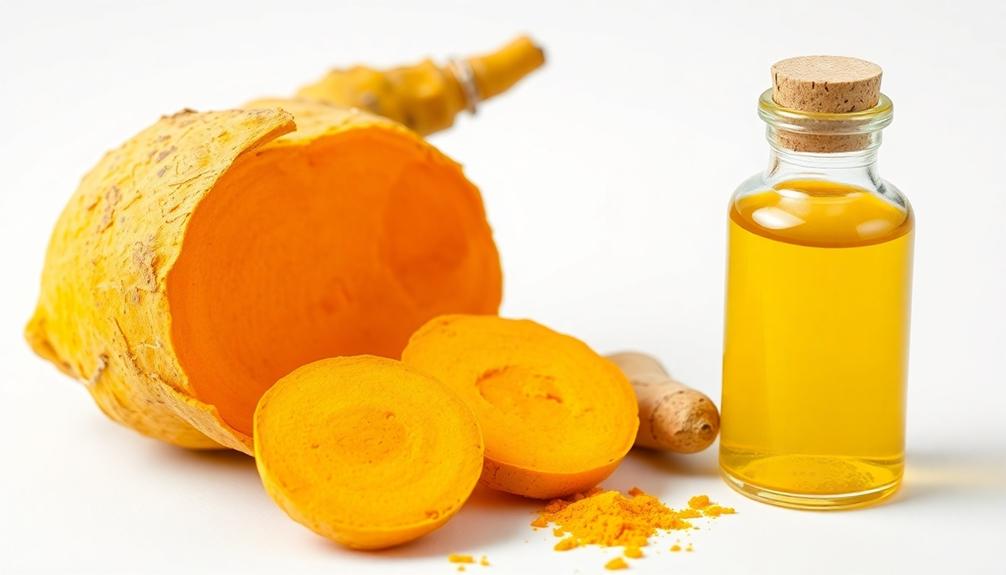
Research into turmeric's anti-inflammatory effects has yielded promising results. Clinical trials have shown that curcumin, the active compound in turmeric, can help reduce inflammation in various conditions. You'll be glad to know that scientists have conducted numerous studies on turmeric's potential benefits. These studies have looked at its effects on arthritis, digestive issues, and even some types of cancer. Joint health smoothies containing turmeric have become increasingly popular as a natural way to support overall wellness and reduce inflammation. Adding turmeric to your daily smoothie routine can be an easy and delicious way to incorporate its potential benefits.
An evidence review of multiple clinical trials suggests that turmeric supplements may be as effective as some anti-inflammatory medications, but with fewer side effects. This is great news if you're looking for natural ways to manage inflammation. While more research is still needed, the current findings are encouraging. Remember, it's always best to talk to your doctor before adding any new supplement to your routine, but turmeric's potential is certainly exciting!
Bioavailability and Absorption
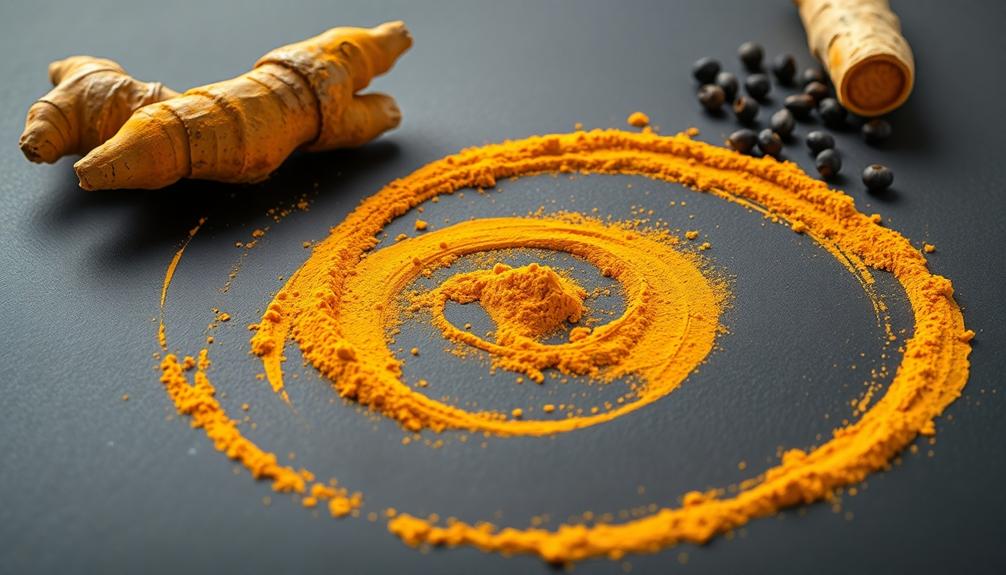
The bioavailability of turmeric's active compounds plays an essential role in its effectiveness as an anti-inflammatory agent. You'll be happy to know that researchers have been working hard to improve turmeric's absorption in your body. They've developed special turmeric formulations that can help you get the most out of this golden spice. One popular way to enjoy turmeric's benefits is through flavorful turmeric smoothies, which can be a delicious addition to your morning routine. Here are three ways to boost turmeric's bioavailability:
- Combine it with black pepper
- Mix it with healthy fats
- Use it in cooked dishes
These methods act as absorption boosters, making it easier for your body to use turmeric's beneficial compounds. By incorporating these tips into your daily routine, you're giving yourself the best chance to experience turmeric's amazing anti-inflammatory effects. Remember, every little bit helps regarding supporting your health and well-being!
Comparison With Synthetic Anti-Inflammatories
Turmeric's natural anti-inflammatory properties offer several advantages over synthetic alternatives. When you choose turmeric as a natural remedy, you're opting for a gentler approach that's been used for centuries. Unlike some synthetic drugs, turmeric doesn't typically cause harsh side effects, making it a great choice for long-term use. You'll find that turmeric works with your body, supporting its natural healing processes. Incorporating turmeric smoothies into your diet can be a delicious and effective way to harness these anti-inflammatory benefits.
While synthetic anti-inflammatories often provide quick relief, they can sometimes mask underlying issues. Turmeric, on the other hand, addresses inflammation at its source. It's like giving your body a helping hand, rather than forcing it into submission. When you incorporate turmeric into your daily routine, you're investing in your long-term health and well-being. Remember, natural remedies like turmeric can be a wonderful complement to your overall health strategy.
Potential Therapeutic Applications
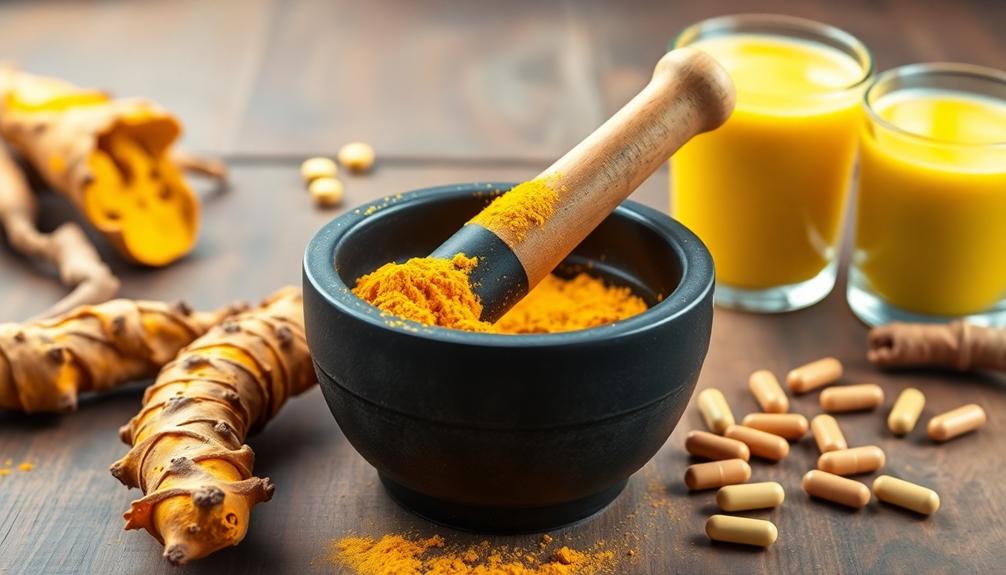
Exciting developments in medical research have disclosed numerous potential therapeutic applications for turmeric's anti-inflammatory properties. You'll be glad to know that this golden spice might help manage chronic conditions like arthritis, heart disease, and even some forms of cancer. Sweet or savory turmeric smoothies can be an enjoyable way to incorporate this beneficial spice into your diet. Here's what you need to know about turmeric's therapeutic potential:
- It may reduce pain and stiffness in arthritis patients when taken at the right therapeutic dosage.
- Turmeric could help lower the risk of heart disease by improving blood flow and reducing inflammation in blood vessels.
- Some studies suggest it might slow down the growth of certain cancer cells, though more research is needed.
While turmeric shows promise, it's important to talk to your doctor before using it as a treatment. They'll help you determine the right amount for your needs and guarantee it's safe for you.
Frequently Asked Questions
Can Turmeric Stain Teeth or Skin?
Yes, turmeric can stain your teeth and skin, but don't worry! Those bright yellow turmeric stains aren't permanent. On your skin, they'll usually fade within a day or two. For your teeth, regular brushing should do the trick. If you're concerned about staining, try using a straw when drinking turmeric-based beverages. For stubborn stains, you can try turmeric removal methods like oil pulling or baking soda paste. Remember, the benefits of turmeric often outweigh the temporary staining!
Is It Safe to Consume Turmeric During Pregnancy?
If you're expecting, you'll be glad to know that turmeric can be safe during pregnancy when used in moderation. It's best to stick to normal food amounts, like in curries or golden milk. Turmeric benefits include reducing inflammation and boosting immunity. However, don't go overboard with turmeric dosage or supplements without talking to your doctor first. They'll help you make the best choice for you and your baby. Remember, a balanced diet is key during this special time!
How Does Turmeric Interact With Blood-Thinning Medications?
Hold onto your horses! You'll want to be careful in terms of mixing turmeric with blood-thinning meds. Turmeric can boost the effects of these medications, potentially increasing your risk of bleeding. It's because turmeric has its own blood thinning mechanisms. If you're taking blood thinners, talk to your doctor before adding turmeric to your diet. They might adjust your turmeric dosage or medication to keep you safe. Remember, it's always better to be safe than sorry regarding your health!
Are There Any Side Effects of Long-Term Turmeric Consumption?
You'll be glad to know that turmeric is generally safe for long-term use, but it's important to be aware of potential side effects. While rare, some people may experience turmeric allergies, so pay attention to any unusual reactions. It's best to stick to the recommended turmeric dosage, as excessive consumption might cause stomach upset or dizziness. If you're taking medications, especially blood thinners, always check with your doctor first. With proper use, turmeric can be a wonderful addition to your daily routine!
Can Turmeric Be Used Topically for Skin Inflammation?
Imagine your skin as a garden, with turmeric as the golden sunlight that nurtures it. You'll be happy to know that turmeric can indeed be used topically for skin inflammation. Its application can bring various skin benefits, like soothing redness and reducing swelling. You can create a simple paste by mixing turmeric powder with water or honey, and gently apply it to the affected area. It's a natural, comforting way to care for your skin and promote healing.